Introduction: Understanding Financial Shockwaves
In the context of global economics, the term “financial shockwaves” refers to sudden and unexpected disruptions that can ripple through financial markets and economies due to various external factors, particularly conflicts. These disturbances can lead to significant economic consequences, influencing market stability and growth trajectories on both national and international levels.
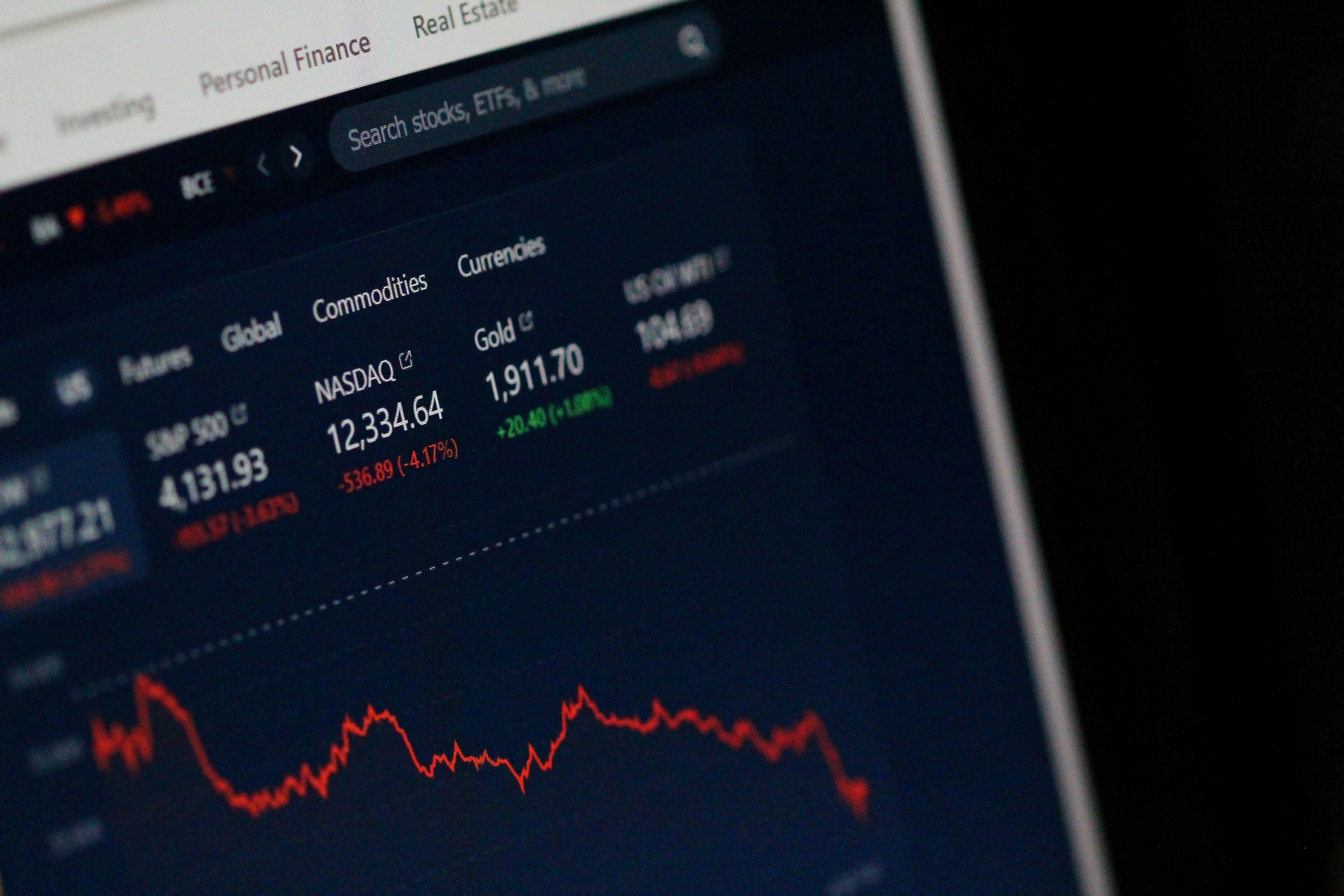
Global conflicts, whether they arise from geopolitical tensions, military engagements, or severe diplomatic disputes, serve as catalysts for these financial shockwaves. For instance, when countries engage in hostilities, the immediate impact is often a surge in commodity prices, fluctuations in currency values, and heightened volatility in stock markets. Investors tend to react with caution; thus, capital flight may result, undermining investments and putting pressure on local economies.
Moreover, the interconnected nature of today’s global economy amplifies these effects. A conflict in one region can reverberate across borders, impacting supply chains, trade relationships, and economic partnerships. Countries that are economically reliant on those affected by conflicts may experience downturns due to disrupted trade flows and weakened consumer confidence. The potential for a domino effect across different sectors illustrates the profound significance of financial shockwaves.
Understanding the interplay between global conflicts and financial markets is crucial for economists, investors, and policymakers alike. It enables a more informed approach to risk management and strategic planning. As financial shockwaves continue to shape the landscape of international trade and investment, a comprehensive examination of their causes and implications remains essential for navigating the complexities of the global economy.
The Nature of Global Conflicts
Global conflicts can manifest in various forms, including military confrontations, political unrest, and trade wars. Each type of conflict has its unique triggers and implications, often intertwining to create complex geopolitical dynamics. Understanding the nature of these conflicts is crucial for assessing their economic repercussions.
Military conflicts arise from territorial disputes, ideological differences, or historic grievances among nations. For example, instances such as the wars in the Middle East highlight how historical animosities can escalate into military actions, impacting global peace and economic stability. The ramifications of such conflicts often include disrupted supply chains, increased oil prices, and displaced populations, all of which can reverberate throughout the global economy.
Political unrest, characterized by protests, civil wars, or governmental upheavals, frequently emerges from citizens’ dissatisfaction with their leadership or national policies. Notable instances include movements during the Arab Spring, which not only destabilized individual nations but also had broader implications for regional economies and international relations. Such unrest can lead to uncertainty in markets, discouraging foreign investment and leading to economic downturns.
Trade wars, on the other hand, involve countries imposing tariffs or trade barriers against one another, often to protect domestic industries. The trade tensions between major economies, notably the United States and China, exemplify how such conflicts can disrupt international trade, leading to higher consumer prices and economic slowdown. The interconnectedness of global markets means that the effects of a trade war are felt widely, influencing currency values, investment flows, and economic growth.
Overall, global conflicts—be they military, political, or economic in nature—have the potential to escalate rapidly, resulting in substantial economic ramifications. Analyzing these conflicts within their historical context can provide a deeper understanding of their origins and the future challenges they may pose to global markets.
How Conflicts Influence Market Dynamics
Conflicts, both domestic and international, have profound effects on market dynamics, impacting investor behavior, supply chain structures, and commodity prices. The uncertainty generated by conflicts leads to fluctuating investor sentiment, often resulting in market volatility. Investors generally respond to conflict situations with caution, seeking to mitigate risks associated with unstable regions. This often leads to withdrawals from affected markets or sectors, thereby inducing further financial instability.
One significant aspect of how global conflicts alter market dynamics is through supply chain disruption. Conflicts can severely affect transportation and logistics, consequently delaying the import and export of goods. For instance, the ongoing tensions in Eastern Europe have prompted disruptions in energy supplies, directly affecting many countries’ energy costs and prompting a rise in alternative energy exploration. Such upheavals not only increase operational costs for businesses but also force them to seek alternative suppliers or routes, which can lead to longer-term strategic shifts.
Moreover, commodity prices often respond sharply to geopolitical tensions. As conflicts arise, essential resources such as oil and natural gas can see significant price fluctuations due to perceived scarcity or threats to availability. In 2021, for example, rising tensions in the Middle East led to increased oil prices as fears of supply disruptions mounted. Additionally, currencies are often impacted; for instance, a country embroiled in conflict may see its currency depreciate due to loss of investor confidence, leading to inflation and reduced purchasing power.
Ultimately, the interplay between conflict and market dynamics is complex and multifaceted. Understanding these interactions is crucial for investors and policymakers alike, especially in an increasingly interconnected global economy where local conflicts can trigger far-reaching financial consequences.
Economic Growth and Development: Affected Areas
The repercussions of global conflicts have a profound impact on economic growth and development across various sectors and regions. Countries embroiled in conflicts often experience significant fluctuations in Gross Domestic Product (GDP). For instance, conflict-scarred nations frequently face economic contractions as resources are diverted towards military spending, undermining social infrastructure such as education and healthcare. This reduction in GDP is not merely a statistic; it translates into deteriorating living standards and reduced opportunities for citizens.
Unemployment rates in conflict-affected areas typically soar as businesses close or relocate to more stable environments. The instability leads to diminished investments, both domestic and foreign, as investors seek to minimize risk. Consequently, job creation stalls, exacerbating the cycle of poverty and contributing to societal unrest. For example, regions in the Middle East and parts of Africa have witnessed skyrocketing unemployment rates as prolonged conflicts disrupt traditional industries and agricultural practices.
Conversely, some sectors might see a temporary boom in response to heightened demand for security or reconstruction efforts. However, this is often insufficient to compensate for broader economic losses. Furthermore, these anomalies in growth can create a skewed perception of recovery, masking the underlying vulnerabilities faced by the local population.
Investment shifts are also a critical concern; as political instability rises, foreign investments tend to dry up. Companies reevaluate their strategies and might opt for safer markets, leaving conflict zones bereft of the capital needed for revitalization. In regions with rapid economic decline, attracting investment becomes increasingly challenging, perpetuating a cycle of stagnation that can take decades to overcome.
Ultimately, the interdependent nature of global economies means that the ramifications of conflict are felt far beyond the immediate vicinity of warzones, impacting international trade and relative economic stability across the globe.
Case Studies: Historical Perspectives on Conflict and Economy
Historically, conflicts have significantly shaped economies, often resulting in severe financial disruptions. The Gulf War, which erupted in 1990, serves as a poignant example. Following Iraq’s invasion of Kuwait, there was an immediate spike in oil prices due to fears of supply disruptions. The economic ramifications were felt globally, leading to inflationary pressures in numerous countries and affecting consumer spending patterns. The subsequent military intervention emphasized the vulnerability of economies dependent on oil and highlighted the risks associated with geopolitical instability.
Another notable case is the Syrian Civil War, which began in 2011. The prolonged conflict devastated the Syrian economy, which was heavily reliant on agriculture and services. Infrastructure destruction led to a loss of livelihoods, migration crises, and the destabilization of regional markets. Neighboring countries, particularly those like Lebanon and Turkey, faced economic strains as they handled an influx of refugees. The Syrian conflict illustrates how domestic conflicts can ripple through global supply chains and fundamentally alter trade dynamics, urging economists to reconsider risk assessment in conflict prone areas.
Additionally, the ongoing trade tensions, particularly between major economies such as the United States and China, underscore the modern economic landscape’s fragility due to conflicts. Tariffs and trade barriers have resulted in increased costs for consumers and businesses alike, fueling inflation while simultaneously stalling economic growth. This situation highlights the intricate relationship between international relations and economic stability, indicating that conflicts, both military and economic, can have far-reaching consequences across global markets.
The Role of Governments and Institutions in Mitigating Impact
The financial ramifications of global conflicts present significant challenges for nations and economic agencies worldwide. Governments and various institutions play a crucial role in mitigating the impact of these financial shockwaves. One of the primary strategies employed is the implementation of fiscal and monetary policies aimed at stabilizing national economies that may be affected by external conflicts. For instance, central banks might adjust interest rates to stimulate or restrict economic activity, depending on the given situation. This flexibility can help ensure liquidity in markets that might experience stress due to geopolitical tensions.
Sanctions also serve as a tool for governments to express disapproval of actions taken by other nations while attempting to minimize collateral damage to their own economic stability. These sanctions, whether economic or political, can lead to ripples throughout global markets. However, their effectiveness can vary significantly, with unintended consequences potentially harming both the target nation and those imposing the sanctions. Thus, a careful evaluation of the situations surrounding such measures is essential to ensure these policies serve their intended purpose in stabilizing the economy.
Furthermore, international institutions, such as the International Monetary Fund (IMF) and the World Bank, showcase their importance during times of conflict by providing economic aid and support to struggling nations. These organizations typically focus on addressing balance-of-payments issues or assisting in restructuring debt, thus promoting economic recovery. Their involvement can offer a framework for fiscal reform and better governance, aiming to create a resilient economic landscape even in the aftermath of turmoil.
Ultimately, the actions taken by governments and international institutions are crucial in responding to the financial repercussions of global conflicts, shaping market dynamics and contributing to long-term economic stability.
Future Predictions: Conflicts and Economic Trends
The landscape of global economics is intricately tied to the geopolitical conflicts that shape it. Economists and financial analysts emphasize that future trends regarding such conflicts will play a pivotal role in steering economic growth and market stability. As geopolitical tensions escalate, they anticipate increased volatility in financial markets, affecting everything from currency exchange rates to stock prices across continents.
One significant trend noted is the heightened focus on supply chain resilience. Companies are likely to invest more heavily in diversifying their supply chains to mitigate risks associated with geopolitical disturbances. This approach not only aims to secure the continuity of production but also reinforces their competitive edge in increasingly uncertain markets. Furthermore, businesses may pivot towards domestic sourcing to alleviate exposure to foreign conflicts, fostering local economies while creating jobs.
Investment sectors are also expected to shift in response to evolving conflict landscapes. Analysts suggest that investors may lean towards industries that traditionally perform well during times of uncertainty, such as defense and cybersecurity. Additionally, commodities such as gold and oil are likely to see increased demand, as investors seek safe havens amidst geopolitical turmoil.
Moreover, the financial community is advised to stay vigilant regarding emerging markets that may be significantly impacted by conflicts. Economists warn that countries heavily reliant on a singular trading partner or sector may face dire consequences if global ties fray. This situation could foster enhanced scrutiny and due diligence as corporations and investors consider geographic and market diversification strategies.
In summary, the interplay between conflicts and economic trends is complex and multifaceted. As industries adapt and investment strategies evolve, stakeholders must remain proactive, continually analyzing the ramifications of global conflicts on economic growth and market certainty.
Adapting to Financial Shockwaves: Strategies for Investors
The onset of global conflicts introduces a myriad of uncertainties that can significantly impact financial markets and growth. To effectively navigate these tumultuous conditions, investors must adopt comprehensive strategies designed to mitigate risks and protect their assets. One fundamental approach is risk management, which involves identifying potential financial threats and implementing measures to reduce their impact. Investors should consider utilizing tools such as stop-loss orders or hedging techniques to safeguard against unexpected market volatility driven by geopolitical events.
Diversification also plays a pivotal role in reducing exposure to market fluctuations caused by conflicts. By spreading investments across various asset classes, sectors, and geographic regions, investors can create a more resilient portfolio. This strategy allows for potential gains in some areas even when others are adversely affected by instability. For instance, incorporating commodities or foreign investments may provide a buffer against local economic downturns precipitated by global tensions.
Staying informed is another critical strategy for investors facing the effects of global conflicts. Regularly reviewing financial news, geopolitical analyses, and expert opinions can help investors anticipate market shifts and make informed decisions. Engaging with financial advisors who specialize in global markets can further enhance one’s understanding of the complexities introduced by conflicts. By cultivating a proactive approach to information gathering, investors can better assess the risks and opportunities presented by economic disruptions.
In summary, adapting to financial shockwaves requires a multifaceted approach grounded in risk management, diversification, and a commitment to staying informed. These strategies not only help in mitigating the adverse effects of global conflicts on investments but also position investors to seize opportunities that may arise amidst the chaos.
Conclusion: Building Resilience in an Uncertain World
As we have explored throughout this blog post, the impact of global conflicts on financial markets and economic growth is profound and multifaceted. Conflicts, whether geopolitical or socio-economic, create shockwaves that can disrupt financial ecosystems worldwide. These disturbances necessitate a keen awareness and understanding of how interconnected the world’s economies are and the ways in which they can be influenced by external events.
The need for resilience in the face of such uncertainties cannot be overstated. Financial systems must be flexible, allowing for adaptability in response to changing global landscapes. Investors and financial institutions are encouraged to enhance their risk management strategies to account for potential disruptions. This involves not only diversifying asset portfolios but also staying informed on geopolitical developments that may affect markets.
Furthermore, developing frameworks that promote economic stability can play a crucial role in mitigating the effects of conflicts. Governments and organizations should collaborate to create supportive environments that foster growth even during turbulent times. This may include implementing policies that encourage innovation and sustainable development, thus laying a foundation for economic resilience.
Ultimately, as the interconnectedness of global economies continues to evolve, so do the challenges posed by conflicts. Therefore, maintaining a proactive stance on financial preparedness and cultivating resilience will be paramount. By doing so, individuals and institutions alike can better navigate the complexities of market fluctuations and ensure a more secure financial future amidst uncertainty.