Introduction
The current landscape of global financial markets is marked by heightened economic uncertainty, which presents both challenges and opportunities for investors. As geopolitical tensions, inflationary pressures, and supply chain disruptions begin to shape economic policies, the implications for market participants are profound. Understanding these dynamics is essential for stakeholders aiming to navigate this tumultuous environment.
Recent events have amplified the factors contributing to economic uncertainty, creating a complex market scenario. Central banks worldwide are grappling with the dual challenges of managing inflation while fostering economic recovery, leading to fluctuating interest rates that directly influence market behavior. This situation is compounded by external factors such as international trade disputes and the ongoing impacts of the COVID-19 pandemic, all of which contribute to a volatile investment landscape.
In such conditions, investors must adopt a proactive approach to their portfolios. An awareness of market trends and economic indicators becomes crucial to making informed decisions. For example, fluctuations in commodity prices and currency valuations can have far-reaching implications on sector performance and asset allocation strategies. Investing in this context requires not only an understanding of traditional financial metrics but also a keen insight into the macroeconomic environment.
The unpredictability engendered by the present economic climate necessitates a reassessment of risk tolerance among investors. Many may find themselves reconsidering their investment strategies to better align with an uncertain future. This could involve diversifying their portfolios or focusing on defensive investment options that typically perform better in times of downturn.
By delving into the complexities of the current economic situation, investors can better prepare themselves for potential fluctuations and opportunities that may arise. The journey through prolonged economic uncertainty is just beginning, and a strategic approach will be vital to navigate these challenging waters successfully.
Understanding Economic Uncertainty
Economic uncertainty refers to the unpredictability related to financial outcomes and market dynamics. Several factors contribute to this phenomenon, including geopolitical tensions, inflation concerns, and supply chain disruptions. Understanding these components is essential for investors and stakeholders seeking to navigate the complexities of today’s economy.
Geopolitical tensions often play a critical role in creating an environment of uncertainty. Conflicts between nations or the emergence of trade wars can impact global markets significantly. For instance, sanctions imposed on countries can lead to supply shortages and create rippling effects throughout international trade. Such tensions can erode investor confidence, leading to volatile market behavior, as market participants react to changing political climates.
Inflation concerns have also emerged as a prominent contributor to economic uncertainty. Rising prices can diminish purchasing power, leading consumers and businesses to adjust their spending habits. Central banks monitor inflation closely and may implement measures to stabilize the economy, such as adjusting interest rates. However, these actions can have varying outcomes, often creating a ripple effect that complicates economic forecasts and heightens market volatility.
Furthermore, supply chain disruptions have become increasingly common, particularly in a world still recovering from the impacts of the COVID-19 pandemic. When production and distribution processes are interrupted, it can result in delays that affect the availability of goods and services. Investors frequently assess these disruptions, as they can signal underlying weaknesses in an economy and pose a threat to market stability.
Overall, the interplay of geopolitical factors, inflationary pressures, and supply chain challenges creates a multifaceted landscape of uncertainty. By acknowledging these elements, investors can better prepare for fluctuations in market conditions and position themselves for potential opportunities amidst the complexities of economic unpredictability.
Current Market Trends
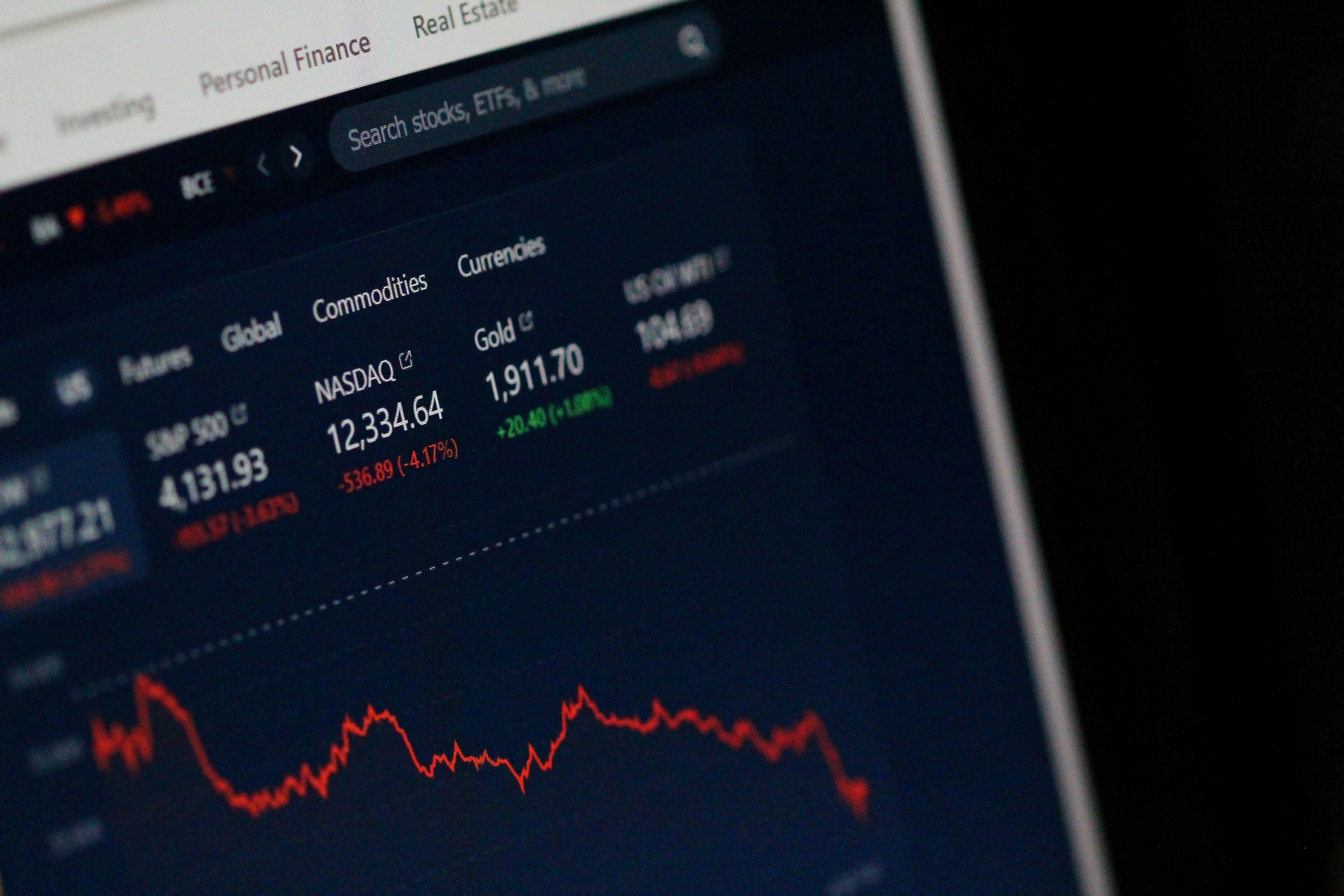
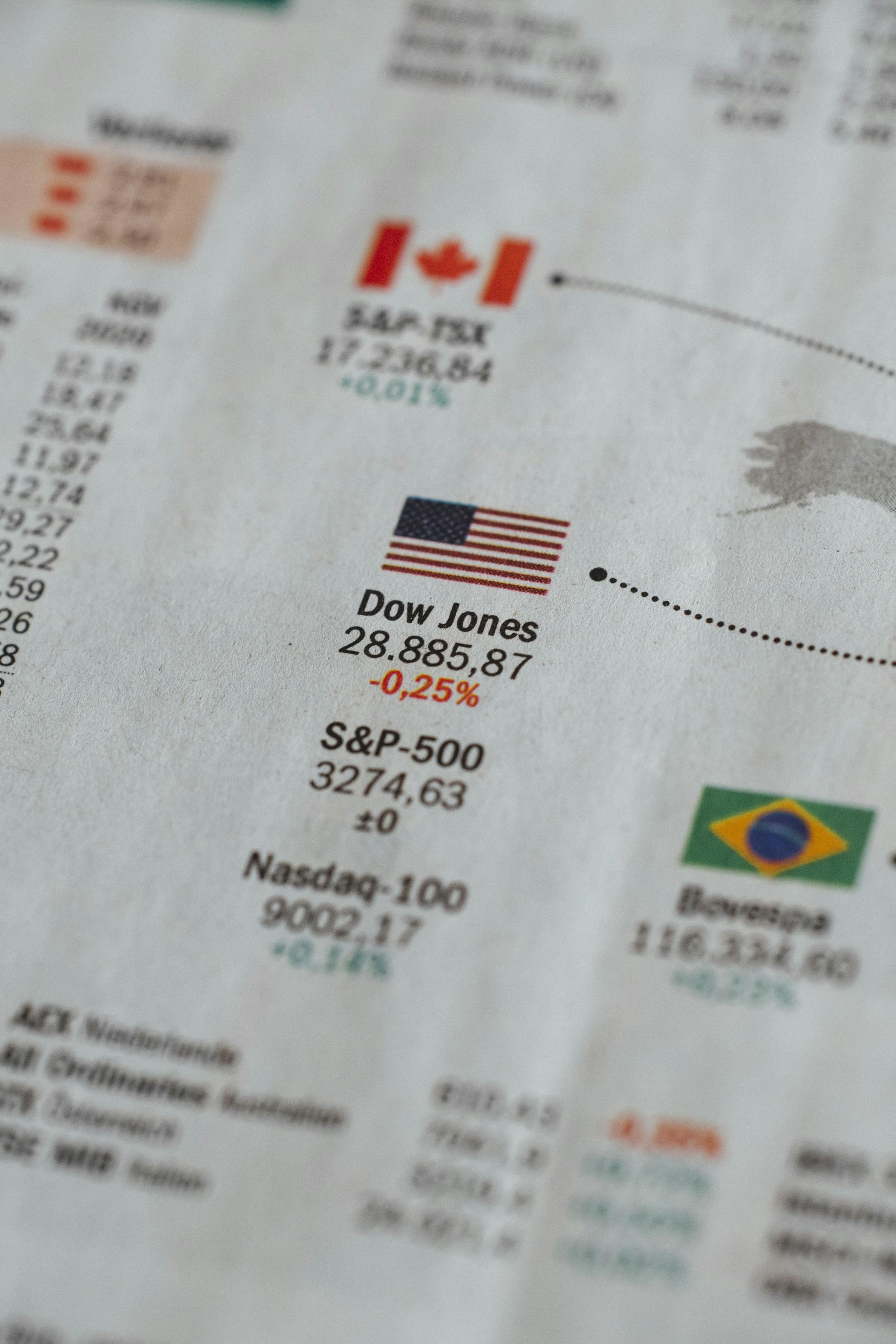
The financial markets have displayed significant volatility in recent months, primarily influenced by ongoing economic challenges such as inflationary pressures, geopolitical tensions, and supply chain disruptions. Major equity indexes, including the S&P 500 and the NASDAQ, have experienced fluctuations that reflect investor sentiment amid uncertainty. Over the past quarter, the S&P 500 has seen a decline of approximately 10%, while tech-heavy NASDAQ has faced an even steeper downturn of around 15%, primarily driven by rising interest rates and a tightening monetary policy.
Bond markets are also feeling the heat, transitioning from a prolonged period of low yields to a more dynamic landscape. The yield on the 10-year Treasury note has surged to levels not seen since before the pandemic, settling around 3.5%. This upward movement indicates a shift in investor behavior, as they seek safer havens while contending with inflation that has remained stubbornly high. As a result, a number of sectors, particularly utilities and consumer staples, have emerged as safe bets, albeit at lower growth expectations.
In commodities, volatility continues to reign supreme. Oil prices, for instance, witnessed substantial fluctuations, recently hovering around $85 per barrel, impacted by both OPEC’s production decisions and increasing global demand amid recovering economies. Gold, traditionally viewed as a safe-haven asset, has seen a surge in demand, with prices surpassing $1,800 per ounce. This trend suggests that investors are prioritizing asset preservation over aggressive growth strategies, especially in light of the tightening economic conditions.
The aforementioned trends are indicative of a broader landscape characterized by caution and strategic repositioning as investors navigate the precarious nature of the current economic environment. The upcoming earnings season will likely provide further insights into sector-specific performance and guidance on future expectations.
Investor Sentiment and Behavior
The current economic climate has significantly reshaped investor sentiment and behavior. Amidst rampant inflation rates, fluctuating interest rates, and geopolitical tensions, investors find themselves navigating an environment marked by uncertainty. Behavioral finance plays a crucial role in understanding these shifts in sentiment, particularly the psychological factors influencing decisions.
Historically, fear and uncertainty have been known to derail even the most stoic investment strategies. Behavioral finance suggests that these emotional responses can lead to irrational decision-making—reducing logical analysis in favor of visceral reactions. As stock market volatility increases, many investors react by pulling out of the market or flocking toward traditionally considered ‘safer’ assets such as bonds and gold. This reaction often exacerbates market instability, creating a cycle where fear breeds further uncertainty.
In this context, various factors influence investor behavior, with cognitive bias playing a notable role. For example, loss aversion—a concept proposed by behavioral economists—indicates that individuals prefer to avoid losses rather than acquire equivalent gains. Thus, during downturns, the fear of losing capital leads many to act prematurely, ultimately hindering long-term investment strategies.
Moreover, social influence and herd behavior, both of which are central themes in behavioral finance, also dictate investment choices. As individuals observe others buying or selling assets, they may feel pressured to conform without fully understanding the underlying fundamentals. This tendency can lead to asset bubbles or exacerbate declines in market prices. In this climate of heightened emotions and shifting sentiment, it becomes essential for investors to ground their strategies in informed reasoning rather than yielding to panics or trends driven by fear. Adopting a disciplined approach can mitigate potential losses and support more sound long-term investment decisions.
Strategies for Navigating Economic Uncertainty
During periods of economic uncertainty, it is crucial for investors to adopt effective strategies to safeguard their investments and build resilience against market volatility. One of the primary strategies is diversification. By spreading investments across various asset classes—such as stocks, bonds, real estate, and commodities—investors can mitigate risks associated with any single economic downturn. This approach not only protects an investor’s portfolio but also enhances the potential for overall returns in differing market conditions.
Another key strategy is undertaking a thorough risk assessment. Investors should evaluate their individual risk tolerance and investment goals, allowing them to make informed decisions that align with their financial objectives. Assessing factors such as age, income, and future financial needs can help investors determine an appropriate asset allocation that balances potential returns with acceptable risk levels. This tailored strategy is particularly helpful during uncertain economic times, as it allows investors to navigate fluctuations in market performance.
Maintaining a long-term perspective is also vital when dealing with economic uncertainty. Short-term market movements can be unsettling, leading to impulsive decisions that may compromise long-term growth potential. It is important for investors to remember that market fluctuations are often temporary, and history shows that markets tend to recover over time. By remaining focused on long-term goals, investors can avoid the pitfalls of emotionally-driven trading and maintain a disciplined approach to their investment strategies.
In conclusion, applying strategies such as diversification, careful risk assessment, and maintaining a long-term outlook can empower investors to navigate periods of economic uncertainty with greater confidence, ultimately leading to sustained financial growth and stability.
The Role of Central Banks
Central banks play a pivotal role in managing economic stability during periods of uncertainty. Their primary objective is to ensure price stability and foster economic growth. In the face of recent market volatility, central banks worldwide have adopted various monetary policy tools to stabilize financial systems, with interest rate adjustments and quantitative easing being the most prominent strategies employed.
Interest rate adjustments are one of the most fundamental tools available to central banks. By lowering interest rates, central banks aim to reduce the cost of borrowing, thus encouraging both consumer spending and business investments. This influx of liquidity in the economy is intended to stimulate growth and ward off recessionary pressures. Conversely, when markets are overheating, central banks may opt to increase interest rates to control inflation and stabilize prices. The timing and scale of these adjustments often depend on a careful analysis of economic indicators such as inflation rates and employment levels.
Quantitative easing (QE), another vital monetary policy, involves the central bank purchasing government securities or other financial assets to inject liquidity directly into the economy. This method aims to lower long-term interest rates, facilitating increased lending and investment activity. Through QE, central banks also signal their commitment to supporting economic recovery, which can bolster investor confidence during tumultuous periods. Although these measures have shown effectiveness in mitigating immediate crises, there are ongoing debates about long-term inflationary risks and potential distortions in asset prices stemming from prolonged low-interest rates and extensive asset purchases.
In conclusion, central banks are critical players in navigating economic uncertainty. Their ability to implement monetary policies, such as interest rate adjustments and quantitative easing, is essential in stabilizing markets and fostering recovery. As global economic conditions evolve, the adaptability of these policies will continue to be closely monitored by investors and policymakers alike.
Global Implications of Economic Uncertainty
The interconnectedness of global economies underscores the significant implications that economic uncertainty in one region can have on the broader financial landscape. As markets become increasingly globalized, a downturn or instability within a major economy can result in reverberations that impact both developed and emerging markets. For instance, fluctuations in commodity prices originating from economic distress in a resource-rich country can lead to financial strain in nations dependent on those resources.
Economic uncertainty can prompt investors to reassess their risk profiles, leading to a capital flight from vulnerable regions. Consequently, countries with emerging markets may experience diminished foreign direct investment, affecting their economic growth and stability. This downward spiral can intensify volatility, as local currencies weaken, inflation rises, and overall economic confidence diminishes.
Moreover, interlinkages through international trade mean that disruptions in supply chains can occur. For example, if a major exporter faces economic challenges, countries reliant on imports from that region may encounter shortages, driving prices upward and further destabilizing local economies. Likewise, financial markets in advanced economies can experience shockwaves as investors adjust their portfolios in response to risks perceived to be linked to uncertainty abroad.
In summary, the global implications of economic uncertainty are profound, affecting trade, investment patterns, and financial stability across borders. Policymakers must remain vigilant in navigating these challenges, employing strategies to mitigate the risks associated with such uncertainty, ultimately aiming to foster resilience in both developed and emerging markets alike. Understanding these dynamics is essential for investors who seek to make informed decisions in the face of evolving global economic conditions.
Expectations for the Future
As uncertainty looms over global markets, experts are closely examining the potential trajectories of economic recovery or continued turmoil. A multitude of factors could influence these outcomes, including geopolitical tensions, inflationary pressures, interest rate adjustments, and fiscal stimulus measures implemented by governments. Investors are particularly interested in understanding how these elements will interact and shape the economic landscape in the months and years to come.
Many analysts predict that economic conditions may remain volatile in the short term, possibly extending beyond the immediate horizon of a few months. According to a recent survey, sentiment among economists reflects a cautious outlook; a notable percentage foresee a prolonged period of uncertainty as supply chain disruptions and labor market constraints continue to pose challenges. However, others express optimism, suggesting that effective policy measures could pave the way for recovery.
In terms of market recovery, key indicators will likely include improvements in consumer spending, business investment, and employment rates. Analysts emphasize the importance of monitoring these metrics closely, as they can signal a rebound in consumer confidence and economic activity. Moreover, the evolution of interest rates set by central banks will play a crucial role in shaping investors’ strategies. A more accommodative monetary policy could stimulate growth, while restrictive measures might dampen it.
Ultimately, the interplay of fiscal and monetary policies will be vital in determining the resilience of markets amid prevailing uncertainties. Investors are encouraged to remain vigilant, adapt their strategies appropriately, and diversify their portfolios to mitigate potential risks. As the situation is fluid, staying informed about economic developments and expert predictions will be key to navigating these turbulent times effectively.
Conclusion
As the financial landscape evolves amidst rising tensions and economic instability, investors are urged to remain vigilant and adaptable. The persistent market volatility, propelled by global events and shifts in monetary policy, illustrates that investors can no longer afford to adopt a passive approach. Understanding the implications of ongoing economic changes is paramount. The previous discussions highlight the significance of proactive strategies and diversification to mitigate risks associated with unpredictable market conditions.
Aligning investment decisions with current economic indicators, geopolitical developments, and central bank actions can lead to more informed and strategic choices. Investors must also pay attention to emerging trends that could signal opportunities, even during uncertain times.
Moreover, fostering adaptability is crucial in a world of constant change. Investors who refine their criteria for evaluating asset performance and remain open to adjusting their portfolios in response to new information will likely be better positioned for potential gains. Effective risk management, which includes reevaluating investments amidst shifting landscapes, will serve as a protective measure against market downturns.
In conclusion, staying informed about the market dynamics and adopting a flexible investment mindset are essential for navigating these choppy waters. As the challenges of economic volatility persist, a focus on continuous learning and responsiveness to market signals will empower investors to not only survive but potentially thrive amid adversity. The ability to pivot strategies and leverage upcoming opportunities can make a significant difference in investment outcomes in the long term.