Introduction to the Global Economic Landscape
The global economy is an intricate and dynamic system characterized by the interdependence of national economies, where trade and capital flows are significantly influenced by various geopolitical developments. As nations increasingly rely on each other for goods, services, and investments, disruptions such as warfare pose substantial risks to economic stability worldwide. Presently, various global economic indicators reflect the underlying fragility of this interconnected landscape.
Key metrics such as Gross Domestic Product (GDP) growth rates, foreign direct investment trends, and trade balance figures provide a snapshot of economic health across regions. For instance, declines in manufacturing output have been observed in several countries, highlighting the challenges posed by supply chain disruptions. Such interruptions can stem from geopolitical tensions, prompting businesses to reassess their operational frameworks and investment strategies.
Moreover, the volatility in capital flows has become more pronounced as investors react to the uncertainty generated by conflicts. This uncertainty not only complicates investment decisions but also exacerbates the risks associated with currency fluctuations, ultimately affecting the stability of economies. The relationship between market confidence and geopolitical conditions is clear; when tensions escalate, markets often respond with increased volatility, leading to capital flight or a decrease in foreign investments.
In addition, events on the global stage, such as wars or significant political changes, often lead to sanctions or trade disruptions, resulting in immediate repercussions for international trade routes. It’s essential to recognize that these geopolitical factors can reverberate across borders, influencing not just individual nations but the global economy as a whole. Thus, understanding this interconnectedness is vital for comprehending the broader impact of geopolitical events on trade and capital flows.
Impact of War on Trade Dynamics
War has profound implications for trade, presenting significant disruptions to established trade routes and agreements. Conflicts often lead to the closure of borders, imposition of sanctions, and the emergence of security concerns, which altogether threaten the fluidity of commerce. These disruptions can cause shortages of essential goods, skyrocketing prices, and a general atmosphere of uncertainty in both local and global markets.
For instance, the ongoing conflict in Eastern Europe has disrupted logistics, leading to significant delays in the shipment of agricultural products and energy supplies. Countries that relied heavily on imports from the conflict zones are experiencing scarce resources, directly impacting their economies. The agricultural markets, in particular, have seen a spike in prices as supply chains are compromised and the cost of transporting goods increases due to elevated risk factors.
Another example can be seen in the Middle East, where prolonged conflicts have resulted in infrastructural damage and a rise in costs associated with trading goods. The war has not only affected imports but also exports, as disrupted supplies have impaired local production capabilities, further exacerbating inflationary pressures. As businesses struggle to source raw materials or essential components, production delays become inevitable. This kind of disruption can extend beyond regional borders, affecting global supply chains. Businesses globally feel the repercussions as they adapt to the shifting landscape and look for alternative suppliers, resulting in an overall slowing of trade activity.
The effects of war on trade dynamics are thus severe, prompting nations to reassess their trade agreements and seek new partnerships in an attempt to stabilize their economies. In light of these challenges, understanding the impact of conflict on trade is crucial for policymakers and businesses alike, as it highlights the necessity for resilience in a volatile global economy.
Capital Flows and Investment Trends
The dynamic nature of capital flows is significantly influenced by geopolitical events, particularly wars and conflicts. When a region becomes embroiled in warfare, it often witnesses capital flight, where investors rapidly withdraw their investments due to heightened uncertainty and risks. This flight typically leads to a marked shift in investment patterns globally. Observations indicate that during periods of conflict, investors gravitate towards safer assets such as government bonds, gold, or currencies from politically stable countries.
Historically, the onset of war has prompted a retreat from equities and other riskier investments, causing stock markets in affected regions to plummet. For instance, during the recent conflicts, there has been a noticeable decline in direct foreign investment (DFI) in regions facing unrest, as investors prioritize safety and stability over potential returns. This behavior directly impacts emerging markets, which are already vulnerable and often depend on foreign capital influx for growth.
Furthermore, with the shifting landscape of global investment, countries that are perceived as safe havens, such as Switzerland and the United States, experience an influx of capital as wary investors seek shelter. This trend not only consolidates the financial positions of stable economies but also exacerbates the challenges faced by emerging markets. The decreased capital availability can lead to stagnation in growth, as local economies struggle to attract the necessary investment to thrive.
Ultimately, the implications of war on capital flows create ripple effects that resonate across global markets. Investors’ retreat to safety not only alters the landscape of where capital is allocated but also influences international relations by favoring nations that appear more stable amidst turmoil. Understanding these trends is critical for policymakers and economists as they navigate the complexities of the global economic environment during conflicts.
Supply Chain Disruptions and Inflation
The repercussions of war on global supply chains have become increasingly evident as conflicts derail trade routes and hinder production processes. When military engagement escalates in key regions, the immediate result is often a breakdown in logistic networks, leading to significant delays in the delivery of goods. These disruptions are not limited to the areas directly affected by the conflict but tend to ripple across global markets, influencing a wide range of industries.
A prominent example can be drawn from recent geopolitical tensions affecting oil-producing nations. Disputes have led to increased logistical challenges in transporting crude oil, which subsequently drives up the costs of fuel. This surge in fuel prices has far-reaching consequences, as transportation becomes more expensive for all goods reliant on logistical networks. Consequently, consumers experience a hike in prices not only at the pumps but also in grocery stores, as elevated shipping costs filter down to retail prices
Moreover, certain sectors, such as technology, face acute disruptions due to supply shortages in critical components. The ongoing conflict in significant manufacturing regions has impeded the production of semiconductors. These chips are fundamental to a myriad of products, from everyday electronics to automotive vehicles. With a contraction in the supply of semiconductors, prices for electronics have soared, contributing to inflationary pressures across the board. The resulting inflation rate can lead to detrimental effects on consumer purchasing power, with households forced to allocate a greater proportion of their budgets to essential goods.
To further illustrate this point, the agricultural sector is witnessing similar challenges. The disruption of supply chains linked to the export of grain in conflict zones has strained food availability globally. Increased production costs, driven by fuel price hikes and transport difficulties, are translating into higher consumer prices for staple foods, subsequently exacerbating food inflation.
In essence, as war continues to disrupt trade flows, the effects on supply chains and consequent inflation rates underscore the complex interdependence of global economies. The challenges faced are not merely localized but instead reverberate worldwide, demanding a careful assessment of strategies to mitigate these impacts.
Government Responses and Economic Policies
In the face of war-induced economic disruptions, countries worldwide are compelled to implement a range of comprehensive government responses and economic policies. These measures typically fall under two broad categories: monetary policy and fiscal policy, both of which are designed to stabilize economies facing significant external shocks.
Monetary policy adjustments often include lowering interest rates to encourage borrowing and investment during times of uncertainty. Central banks may also engage in quantitative easing, which involves purchasing government securities to increase money supply and liquidity in the financial system. Such measures are particularly crucial during global conflicts, which tend to create volatility in capital markets and currency exchange rates, making it harder for businesses to operate normally.
On the fiscal side, governments may escalate public spending, particularly on infrastructure and social support programs, to stimulate economic growth and mitigate the adverse effects of war on vulnerable populations. Additional funding for healthcare and safety nets can alleviate the burden on citizens and reduce the economic fallout during crises. Targeted subsidies for affected industries and businesses can also be part of a broader strategy to maintain employment and production levels, thereby ensuring a swift recovery post-conflict.
International cooperation plays a vital role during these challenging times. Various nations and institutions often come together to provide financial aid, technical assistance, and humanitarian support. Collaborations through organizations such as the International Monetary Fund (IMF) and World Bank enable affected countries to access loans and resources aimed at stabilizing their economies. Furthermore, bilateral and multilateral trade agreements may be renegotiated or implemented to enhance trade flows and mitigate supply chain disruptions caused by war.
The Role of Sanctions in Global Trade
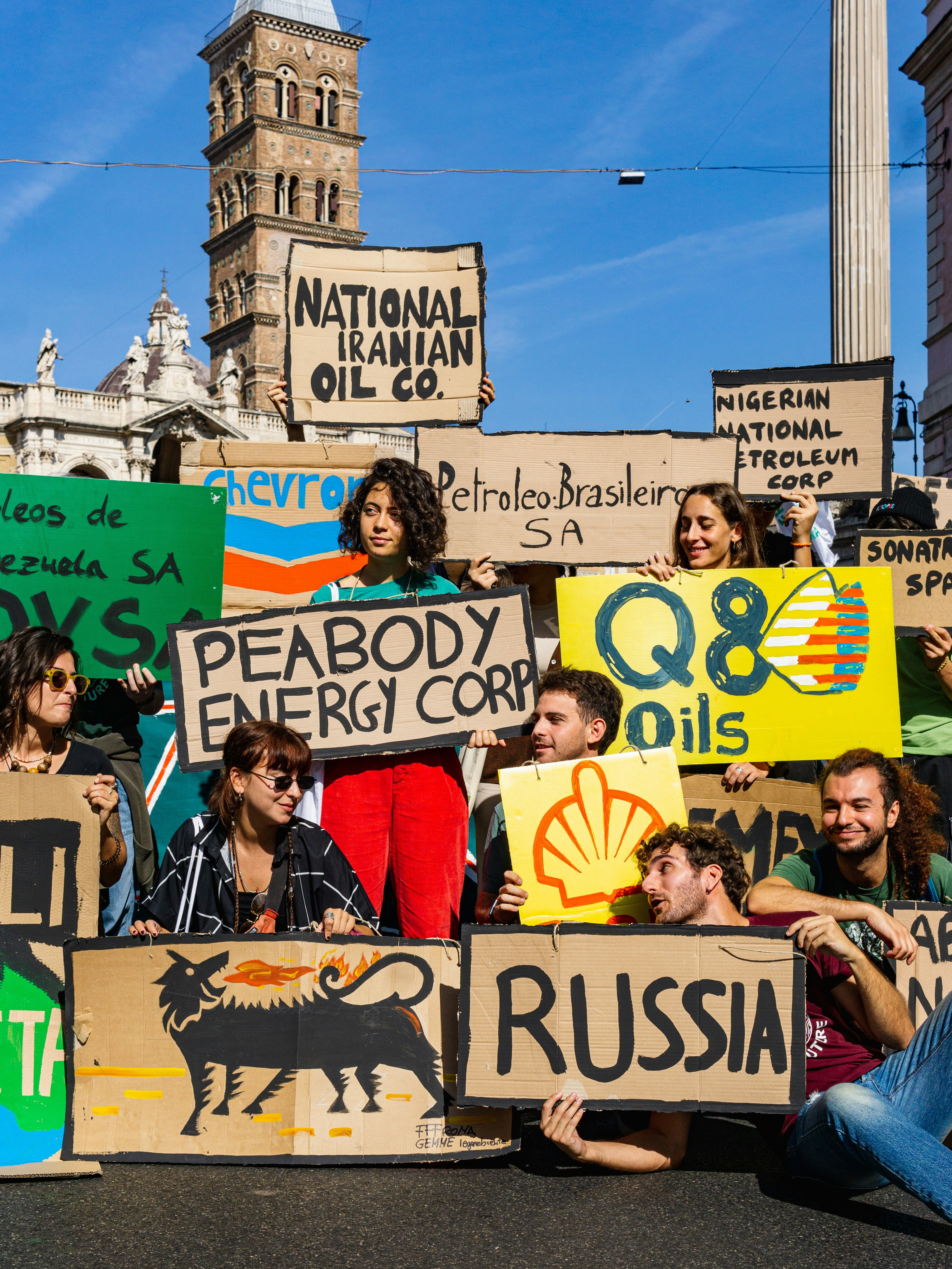
In times of conflict, the imposition of sanctions has become a prevalent strategy used by nations and international bodies to exert pressure on belligerent states. These sanctions can take various forms, including economic, financial, trade, and diplomatic restrictions, aimed at isolating a targeted nation and impeding its ability to conduct business on the global stage. The effectiveness of these sanctions often varies and can carry significant unintended consequences that affect not only the sanctioned country but also its trading partners.
One notable case study involves the sanctions imposed on Russia following its actions in Ukraine in 2014. These sanctions targeted key sectors of the Russian economy, including finance, energy, and defense. As a result, Russia experienced a sharp contraction in its GDP and a devaluation of its currency. However, the sanctions also had repercussions for global markets; energy prices fluctuated, and European nations dependent on Russian oil and gas began to face higher costs. This illustrates how sanctions can inadvertently destabilize global trade networks, highlighting the intricate interdependencies that exist in the international economic landscape.
Moreover, the effectiveness of sanctions can be hampered by the measures taken by target nations to counteract their impact. For example, countries may seek alternative trading partners, develop domestic production capabilities, or use black-market avenues to circumvent imposed restrictions. Such adaptations can undermine the intended goals of sanctions and complicate enforcement for sanctioning bodies. A recent instance is Iran, which, despite facing extensive sanctions over its nuclear program, has continued to foster relationships with nations like China, demonstrating resilience in the face of isolation.
In summary, while sanctions are a prominent tool in modern geopolitical strategy aimed at influencing the behaviors of nations during war, their wider effects on global trade warrant careful consideration. The relationship between sanctions and international trade illustrates the nuanced reality of economic interdependence and the complexity of political actions in a globally connected economy.
Future Outlook: Resilience or Recession?
The ongoing conflicts across various regions are creating a scenario wherein the global economy is under considerable strain. As trade routes are disrupted and capital flows become erratic, nations are compelled to navigate uncertain economic landscapes. The crux of the matter lies in determining whether countries will emerge resilient from these challenges or succumb to recession.
In assessing potential long-term impacts, it is imperative to consider the various recovery scenarios. Historical instances show that economies often rebound following turmoil, driven by a combination of adaptive strategies and robust economic policies. Government interventions and fiscal stimuli can bolster growth, while investments in technology and infrastructure may also pave the way for recovery. However, this resilience is not guaranteed, as persistent instability may hinder growth, especially for nations already grappling with structural weaknesses.
The role of global institutions, such as the International Monetary Fund (IMF) and World Bank, cannot be understated in this context. These entities are pivotal in fostering economic stability through financial support and policy guidance. Their expertise in crisis management has been crucial in helping nations regain their footing during turbulent times. Consequently, the collaboration between countries and these institutions is essential in devising cohesive strategies that could mitigate recession risks.
Furthermore, as the interconnectedness of the global economy heightens, the vulnerability of nations to external shocks is magnified. This interdependence raises critical questions about the potential for collective resilience. Are nations truly equipped to weather these multifaceted crises, or will they falter under the weight of geopolitical tensions? Addressing these questions is vital for paving the way forward, as nations seek to harmonize their efforts and bolster economic stability in the face of uncertainty.
Technological Advancements in Response to Disruption
The volatility of the global economy, exacerbated by conflicts and wars, has necessitated significant technological advancements aimed at stabilizing trade and capital flows. In recent years, the impact of geopolitical tension on supply chains has encouraged businesses and governments to invest in innovative solutions to streamline logistics, enhance communication, and bolster e-commerce platforms.
One of the most significant innovations can be observed in the logistics sector, where the adoption of advanced tracking systems and automation technologies has revolutionized the way goods are transported. These systems utilize real-time data analytics and artificial intelligence to optimize routes and predict disruptions, allowing companies to adapt swiftly to changing circumstances. Such technologies not only reduce operational costs but also improve delivery timelines, even in challenging environments caused by conflict.
Furthermore, communication technology has seen remarkable improvements. With the proliferation of secure, cloud-based communication tools, businesses can maintain continuity despite geopolitical challenges. Enhanced connectivity allows for seamless collaboration among stakeholders, regardless of their physical location. This technological infrastructure plays a crucial role in enabling firms to respond rapidly to market changes and remain competitive, even in the face of conflict-related disruptions.
The rise of e-commerce has also been notable in this context, as more consumers turn to online platforms for their purchasing needs during times of uncertainty. Businesses have increasingly leveraged digital solutions to create robust online storefronts, reaching customers well beyond their geographic limitations. This shift facilitates greater resilience against economic shocks, as it diversifies market access and revenue streams.
In conclusion, technological advancements are essential in addressing the disruptions caused by war and maintaining trade efficacy. By embracing innovations in logistics, communication, and e-commerce, societies can better navigate the complexities of an unstable global economy, emerging stronger from the challenges posed by conflict.
Conclusion: Navigating Uncertainty in a Volatile Economy
As the global economy finds itself on the precipice of disruption due to ongoing conflicts, it is imperative to understand the intricate interconnectedness of trade and capital flows among nations. War not only impacts the immediate regions involved but reverberates throughout the worldwide market, affecting supply chains, investment patterns, and overall economic stability. The findings of this analysis highlight that economic vulnerabilities may escalate during periods of geopolitical unrest, underscoring the need for a comprehensive approach to economic resilience.
Given the complexity of the current landscape, stakeholders—be they nations, businesses, or consumers—must remain vigilant and adaptable. Developing strategies to mitigate risk, including diversifying supply sources and investment portfolios, is crucial for navigating these turbulent times. The importance of establishing robust contingency plans cannot be overstated, as they serve to insulate economies from unexpected shocks that arise from conflicts and trade disruptions.
Furthermore, the necessity for international cooperation is paramount. A united response can foster stability and deter the extended ramifications of economic downturns triggered by war. Policymakers and business leaders must engage in dialogue and collaboration, seeking solutions that benefit a broader array of stakeholders while promoting peace and security. As history has shown, crises often necessitate a reevaluation of existing systems and lead to innovative responses that can strengthen economic structures for the future.
In summary, the global economy’s fragility in the face of conflict necessitates a proactive approach from all involved parties. By understanding the connections between economies and developing strategic frameworks for response, it is possible to navigate the uncertain terrain ahead with greater confidence and resilience.