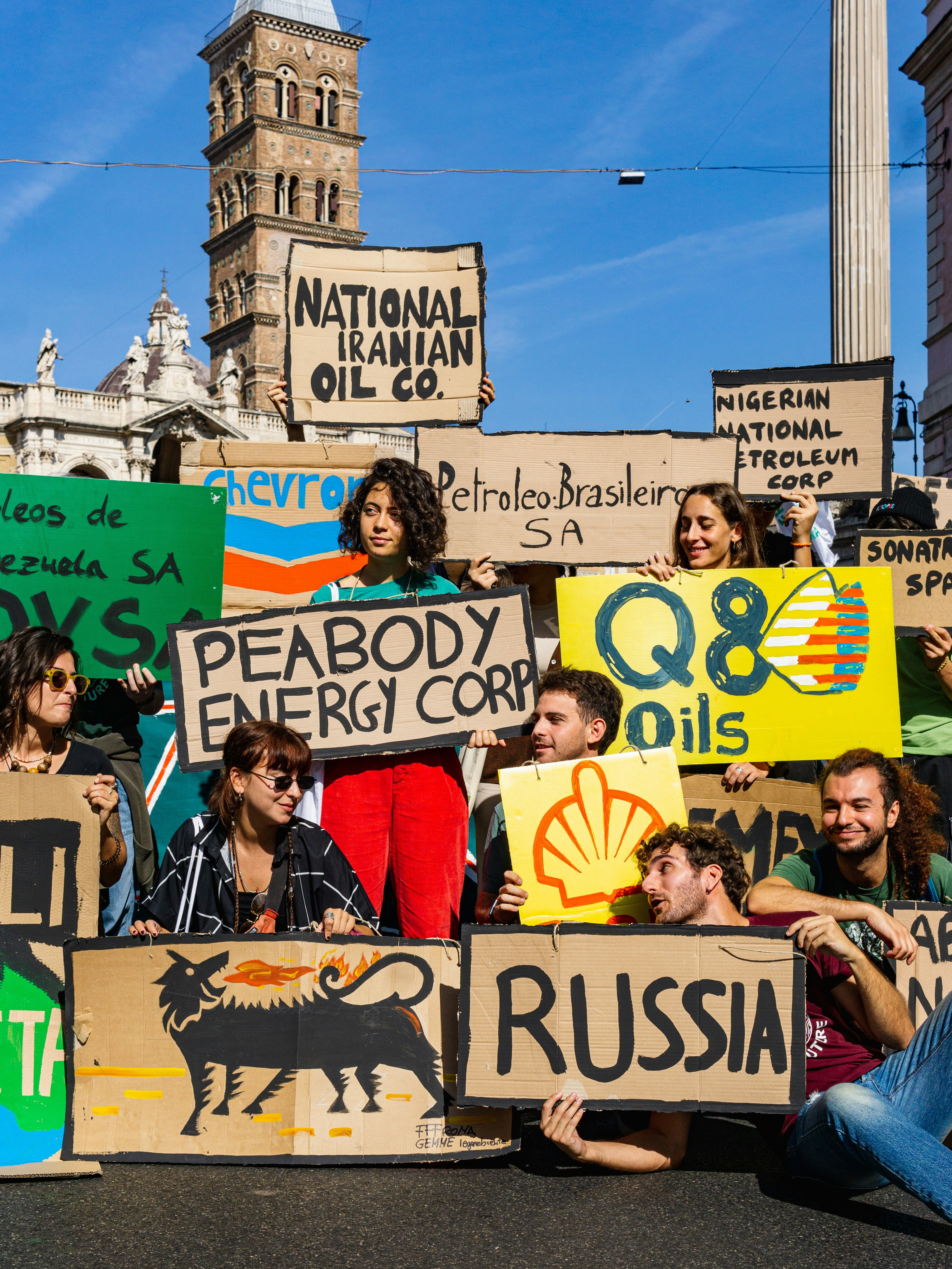
Introduction to the Oil Surge
The recent spike in oil prices has captured global attention, primarily attributed to ongoing geopolitical conflicts that have disrupted production and distribution channels. In recent months, the fluctuations in oil prices have reached unprecedented levels, placing an economic strain on consumers and businesses alike. This situation is particularly acute in oil-producing regions such as the Middle East, where tensions have dramatically impacted supply dynamics.
The surge can be traced back to a combination of factors, including sanctions against key oil-exporting nations and military confrontations that threaten the stability of major oil supply routes. These geopolitical tensions result in heightened uncertainty in the global markets, which often leads to increased speculation and, consequently, elevated oil prices. As a key resource, oil is integral to various industries, and its fluctuating costs can ripple through the economy, driving prices up for consumers across the board.
In addition to geopolitical events, the recovery from the global pandemic has also played a role in demand fluctuations. As countries reopened and economies began to grow, the parallel increase in oil demand has strained the supply capabilities of many producers, intensifying the economic impact of ongoing conflicts. The dynamics of supply and demand, particularly in relation to oil, underscore how interconnected international markets are, and how disruptions in one region can have wide-reaching effects.
This introductory overview of the oil surge emphasizes the intertwining of global economics and geopolitics, illustrating the need for careful monitoring and understanding of the factors at play in the oil market. As prices continue to rise, the implications for consumers and businesses become more pronounced, signaling a complex and challenging landscape ahead.
The Link Between War and Oil Prices
Throughout history, the relationship between warfare and fluctuations in oil prices has been evident and significant. Wars often lead to disruptions in the production and transportation of oil, causing supply shortages that result in increased costs for consumers across various sectors. The connection can be understood by examining key historical conflicts that have influenced the global oil supply.
One prominent example is the Gulf War, which began in 1990. The invasion of Kuwait by Iraq led to immediate concerns regarding oil supply because both countries were significant oil producers. As a result, the price of crude oil surged, peaking at approximately $40 per barrel during the conflict. This sudden increase had a ripple effect on fuel prices worldwide, leading to elevated costs for consumers purchasing gasoline and affecting the prices of goods reliant on oil for transportation.
Another instance is the Iraq War, which commenced in 2003. The military intervention and the subsequent instability in the region exacerbated fears over the continuity of oil supplies from the Middle East. As the war progressed, oil prices climbed dramatically, reaching levels around $147 per barrel by mid-2008. The surge in prices not only affected individual consumers but also created challenges for businesses and economies globally, with inflation rates rising and contributing to financial strain.
Moreover, conflicts can trigger sanctions and trade restrictions that further complicate the oil market. When nations impose embargoes, it disrupts the usual flow of oil, leading to artificial shortages. As exemplified by the sanctions against Iran, the geopolitical landscape has a direct impact on oil availability, fueling price volatility and impacting consumers directly.
In conclusion, the link between warfare and oil prices is a complex interplay that demonstrates how military conflicts can significantly disrupt supply chains, resulting in heightened costs for consumers. Historical precedents illustrate that understanding these dynamics is crucial for grasping the broader economic implications of conflict-driven fluctuations in the oil market.
Current Geopolitical Landscape
The contemporary geopolitical landscape harbors a multitude of tensions that are significantly affecting oil prices across the globe. Key among these tensions are conflicts in major oil-producing regions, which have a pronounced impact on supply chains and market stability. For instance, ongoing geopolitical strife in the Middle East, particularly involving countries like Iran and Saudi Arabia, poses risks to oil production and exportation. The instability emanating from these conflicts tends to drive oil prices higher due to fears of shortages and disrupted supply.
Moreover, the relationship between Russia and Western nations has become increasingly strained, particularly in light of the ongoing war in Ukraine. Russia, as one of the world’s leading oil exporters, wields substantial influence over global oil markets. Sanctions imposed by Western powers in response to its military actions have limited Russia’s export capabilities, further tightening the global oil supply. This situation has led to heightened volatility, as markets react to any emerging news concerning these geopolitical disputes.
In addition to direct conflict, the responses from global powers also contribute to fluctuations in oil prices. For instance, the strategic reserves held by countries such as the United States can be released as a means to stabilize prices during periods of excessive volatility. However, these measures are often reactive and may not fully address the underlying supply issues dictated by geopolitics. As such, consumers are feeling the ramifications of these geopolitical tensions through elevated fuel prices and increased living costs. The interplay of conflicts, national responses, and market speculation creates an environment of uncertainty, with oil prices continuing to surge amidst ongoing international developments.
Impact on Consumer Prices
The recent surge in oil prices has triggered significant repercussions for consumer expenses across various sectors. As oil prices continue to escalate, consumers invariably face higher fuel costs. This phenomenon not only affects the price at the pump but extends throughout the economy by elevating transportation costs. Given that logistics relies heavily on fuel, the increased expense directly translates to higher prices for goods and services.
The transportation sector, comprising road, rail, air, and marine freight, is particularly sensitive to fluctuations in oil prices. Small increases in fuel costs can lead to disproportionately larger increases in shipping and handling charges, which businesses may pass on to consumers. Consequently, the cost of everyday items, such as groceries, clothing, and household goods, is poised to rise. Such conditions mean consumers must navigate a landscape of heightened prices for essential goods and services.
Moreover, the impact of rising oil prices is not restricted solely to transportation. Industries such as agriculture, manufacturing, and retail are also affected by increased energy costs. For example, agricultural operations require the use of fuel for machinery and transportation of products to market. Consequently, when oil prices surge, these businesses incur higher operating costs, which often leads to increased prices for food products, thereby hitting consumers at their most fundamental level.
The ripple effects of elevated oil costs permeate various aspects of everyday life, further burdening consumers. Items that depend heavily on transportation, including electronic goods and furniture, will also reflect these increased expenses in their sales prices. Ultimately, the escalating oil prices not only signify greater costs for fuel but impose broader economic challenges that directly impact consumer spending power.
Economic Consequences of Inflation
The surge in oil prices, significantly influenced by ongoing geopolitical tensions, has widespread implications for inflation and the economy at large. As oil prices rise, the cost of goods and services inevitably escalates, affecting consumers’ purchasing power. Higher energy costs translate into increased prices for transportation, heating, and essential goods, leading consumers to feel the pinch in their wallets.
This decline in purchasing power forces many households to reevaluate their spending habits. Essential items such as food, healthcare, and housing might take precedence over discretionary spending, impacting industries reliant on consumer spending. Retailers and service providers may experience a downturn in sales, leading to reduced revenues and potentially lower employment levels. As consumers tighten their belts, the multiplier effect of decreased consumer spending can ripple through the economy, affecting businesses large and small.
Moreover, the current inflationary environment raises concerns about economic growth. Economists warn that prolonged periods of high inflation could lead to a recession. Businesses facing increased operational costs may curb expansion plans or lay off staff, further exacerbating unemployment. These potential downturns complicate monetary policy; central banks may find themselves in a delicate balancing act, striving to combat inflation while supporting economic growth.
Considering these factors, it is crucial to analyze how ongoing inflation trends induced by rising oil prices will shape economic forecasts. Experts are divided on the likelihood and timing of a recession, yet most agree that the path to recovery will demand strategic policy responses from both governments and financial institutions to mitigate the adverse effects on consumers and the economy.
Government Responses to Rising Oil Prices
The surge in oil prices, largely driven by geopolitical tensions and market instability, has placed immense pressure on consumers and economies worldwide. In response, various governments have implemented a range of strategies to mitigate the impact of rising oil prices on their populations. One prevalent approach has been to introduce subsidies for fuel and essential goods. By providing financial aid or direct price reductions, governments aim to alleviate the immediate burden on consumers. However, the effectiveness of such subsidies can vary. While they offer short-term relief, they can also strain government budgets and may lead to increased public debt if sustained over long periods.
Some nations have opted for tax adjustments as a response to the escalating oil prices. For example, reducing fuel taxes can directly lower prices at the pump, helping to cushion the blow to consumers. However, these measures can reduce government revenues, complicating funding for other essential services. Thus, policymakers must carefully balance immediate relief with long-term fiscal health.
Additionally, several governments have turned to their strategic oil reserves as a means to counteract high prices. By releasing oil from these reserves into the market, they can temporarily increase supply and stabilize prices. This approach, however, is not without its limitations. The reserves are finite, and their use needs to be cautiously managed to ensure availability for future crises.
In evaluating the effectiveness of these responses, analysts highlight the potential for unintended consequences. For instance, subsidies might encourage higher consumption of fossil fuels, thereby conflicting with climate change goals. Tax reductions may be politically popular but could undermine investment in renewable energy sources needed for a sustainable transition. Overall, while immediate government measures can provide temporary relief from rising oil prices, they require careful consideration of their long-term implications for both economies and environmental policy.
Consumer Adaptations and Strategies
The surge in oil prices due to geopolitical tensions has prompted both consumers and businesses to seek adaptive strategies to mitigate the financial strain. Understanding these adaptations provides insight into how society can navigate turbulent economic landscapes.
One significant adaptation among consumers is the shift towards alternative transportation options. Many individuals are exploring public transit systems, cycling, and carpooling as means to reduce their reliance on personal vehicles, thereby minimizing fuel consumption and expenditures. Car-sharing services and ride-hailing apps have also gained popularity, offering flexible solutions to those seeking to limit their driving. These alternatives not only help to alleviate the burden of high fuel costs but also contribute to a reduction in traffic congestion and environmental impact.
Furthermore, budgeting has become an essential practice for many households aiming to manage their finances amid rising oil prices. Consumers are now prioritizing fuel expenses within their monthly budgets, requiring careful planning for trips and travel. This may involve combining errands into fewer trips or opting for local businesses to reduce driving distances. Additionally, families are increasingly investing in fuel-efficient vehicles or electric cars, which can lead to long-term savings despite higher upfront costs.
Moreover, sustainability practices have gained traction as consumers become more aware of the environmental implications of their choices. Implementing energy-efficient home improvements not only allows for reduced utility costs but also lessens dependence on oil. Moreover, engaging in community-led sustainability initiatives encourages collective action towards reducing overall fuel consumption. By adopting eco-friendly habits, consumers not only combat rising costs but also contribute to a healthier planet.
In conclusion, the strategies employed by consumers and businesses to cope with escalating oil prices highlight a shift towards more sustainable and economical practices. Leveraging alternative transportation, careful budgeting, and embracing sustainability can provide significant relief and foster resilience in a fluctuating economic environment.
Future Trends in Oil Prices
The trajectory of oil prices is influenced by a complex interplay of geopolitical tensions, economic indicators, and market dynamics. As nations grapple with the ongoing impacts of recent conflicts, particularly those affecting major oil-producing regions, analysts are closely monitoring how these factors shape future oil market trends. Current forecasts suggest a possibility of continued volatility in oil prices as uncertainty remains a dominant theme in global politics.
One of the central themes observed is the correlation between geopolitical stability and oil price fluctuations. Increased conflict often leads to supply chain disruptions. For example, tensions in the Middle East, a critical hub for oil production, can cause immediate spikes in prices. Analysts predict that should these geopolitical tensions escalate or new conflicts arise, we may witness a sharp increase in oil prices in the short term. Conversely, any resolutions or peace agreements could stabilize prices, potentially leading to a decrease.
In addition to geopolitical factors, economic indicators play a crucial role in shaping expectations for oil prices. The global demand for oil, particularly from emerging economies, is expected to remain high. However, economic slowdowns in major markets could dampen this demand, leading to a counterbalance in upward price movements. Furthermore, efforts towards renewable energy adoption may also influence long-term oil prices, as a shift toward greener alternatives could reduce dependency on oil and thus pressure prices downward.
In essence, while predicting future oil prices remains challenging, a thorough understanding of geopolitical tensions coupled with economic indicators allows analysts to develop informed forecasts. As these dynamics unfold, stakeholders in the oil market will need to remain vigilant and adaptable to navigate the ensuing fluctuations in oil prices.
Conclusion and Call to Action
In summary, the ongoing surge in oil prices driven by geopolitical tensions has starkly impacted consumers worldwide. As the cost of living rises, it becomes increasingly vital for individuals to stay informed about the factors contributing to inflation. The connection between war-driven oil spikes and economic instability underscores the urgency of re-evaluating our energy consumption habits.
Furthermore, it is essential to recognize that this inflationary trend is not merely a financial issue but a reflection of our energy dependence on fossil fuels. The volatility of oil prices serves as a reminder of the need for a diversified energy strategy, emphasizing sustainability and resilience. This phenomenon highlights the importance of engaging in community discussions about energy consumption patterns and exploring alternatives to traditional fossil fuels.
As consumers, we have the power to influence demand and drive change. Therefore, it is crucial to consider how our daily choices impact both our wallets and the larger economy. Being proactive in reducing energy usage, such as utilizing public transport, supporting local energy initiatives, or advocating for renewable energy sources, can collectively contribute to a more stable and sustainable future.
In conclusion, understanding the dynamics of the energy market and its broader implications is imperative for navigating the complexities of modern living. We encourage readers to reflect on their energy habits and to participate in community dialogues, which can foster awareness and promote proactive solutions in an era marked by fluctuating oil prices.