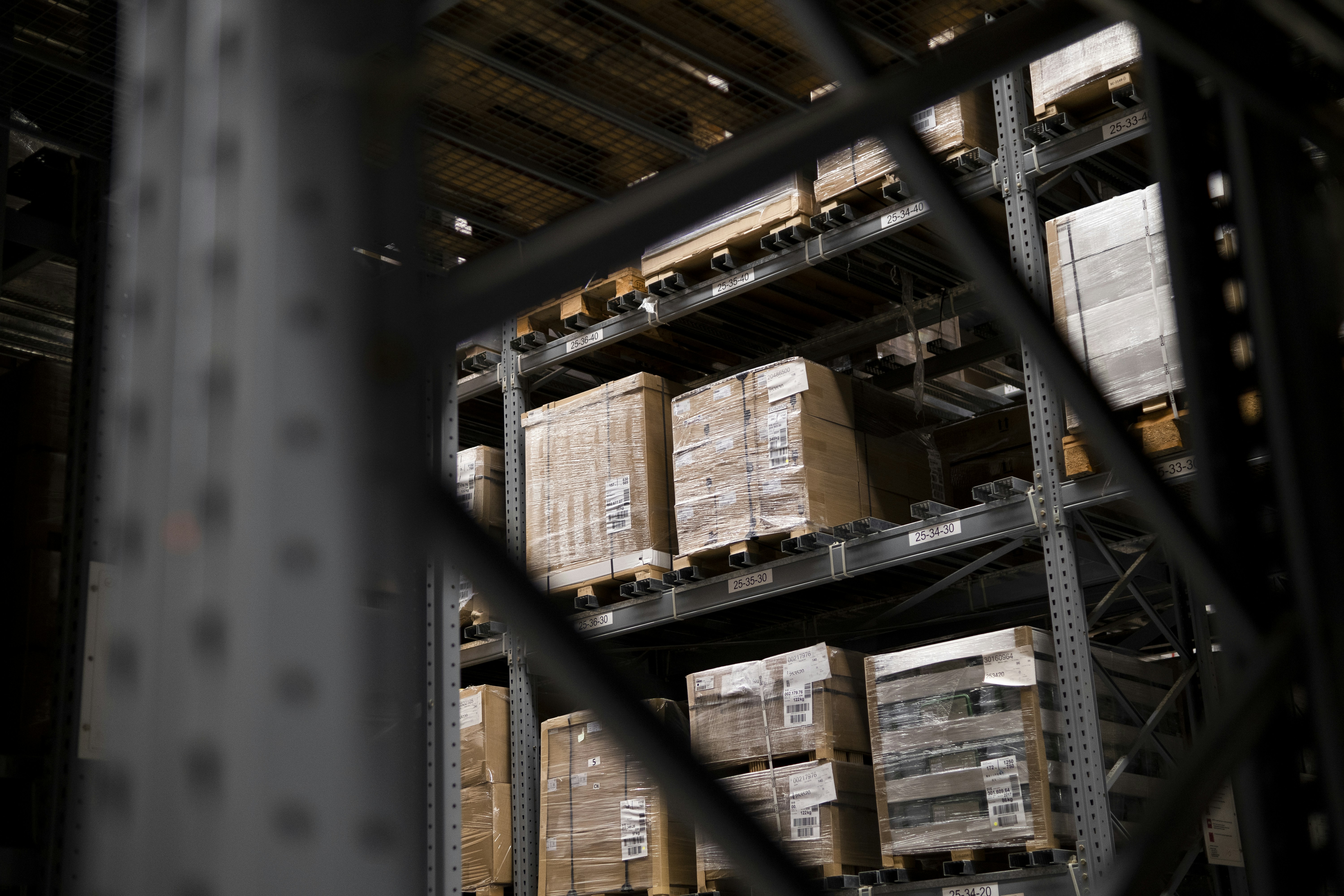
Introduction to Supply Chain Disruption
A supply chain comprises various interconnected entities involved in the production, handling, and distribution of goods and services, spanning from suppliers to manufacturers to consumers. It encompasses the myriad processes required to transform raw materials into finished products, ensuring that they reach their end-users in a timely manner. In the era of globalization, supply chains have become increasingly complex, often extending across multiple countries and regions, which magnifies their vulnerability to disruptions.
One of the significant threats to the stability and efficiency of global trade networks is conflict, particularly war. When countries are embroiled in armed conflict, the effects on supply chains are profound and multifaceted. Conflicts can hinder transportation routes, disrupt manufacturing operations, and increase costs significantly. Transportation channels such as ports, railways, and highways can become unsafe or impassable, leading to delays and shortages of essential goods. Such disruptions can ripple through the system, affecting not only the direct parties involved but also consumers worldwide.
The impact of war on supply chains is not limited to immediate logistical challenges. It can cause long-term repercussions in terms of increasing prices and creating scarcity for specific goods. Manufacturers may struggle to find alternative sources of raw materials, leading to production slowdowns or halts. Moreover, geopolitical tensions often prompt companies to reassess their supply chain strategies, considering diversification or even relocation of operations to mitigate future risks.
Thus, understanding supply chain disruption, particularly as it pertains to conflict scenarios, is essential for businesses aiming to navigate the complexities of global trade. Acknowledging and preparing for potential disruptions can aid organizations in maintaining operational continuity in turbulent times.
Current Global Conflicts Impacting Trade
The intricate web of global trade networks has been significantly affected by ongoing conflicts and wars in various regions around the world. These disruptions are not merely localized issues; they have far-reaching implications for international supply chains, which struggle to adapt to the unpredictability of conflict-ridden areas. Presently, some of the most notable conflicts contributing to trade disruptions include the war in Ukraine, tensions in the South China Sea, and longstanding strife in the Middle East.
In Ukraine, the ongoing conflict has severely impacted the transportation of vital goods. As one of the world’s largest grain producers, interruptions in agricultural operations in Ukraine can result in a shortage of grain supplies globally. Not only does this increase food prices, but it also affects food security in regions reliant on imports from Ukrainian farms. Moreover, shipping routes across the Black Sea have become treacherous, hindering the safe passage of goods and exacerbating the situation further.
Meanwhile, in the South China Sea, maritime tensions have led to uncertainty in shipping routes critical to international trade. The region’s strategic waterway is essential for maintaining supply chain efficiency, facilitating the transport of goods from East to West. Any military escalation or aggressive maneuvers affect not only regional players but also global markets that depend on the free flow of trade in these waters.
Furthermore, conflicts in the Middle East, characterized by geopolitical tensions and intermittent hostilities, also play a significant role in disrupting trade networks. Countries in this region are involved in various military confrontations that influence oil prices and trade agreements, leading to volatility in markets worldwide. The reliance on energy exports further complicates the dynamics of trade networks affected by such conflicts.
Overall, recognizing these current global conflicts is crucial for understanding the complexities of modern trade. Businesses involved in international commerce must navigate these challenges to mitigate risks and maintain operational efficiency amidst ongoing unrest.
Effects on Global Markets and Economies
The disruption of supply chains due to ongoing conflicts has reverberated across global markets and national economies, manifesting in various adverse economic indicators. One of the most immediate effects is the surge in inflation rates, as the cost of goods and services escalates due to disrupted production and transportation networks. When wars interrupt the flow of essential raw materials, the resultant scarcity leads to heightened prices for both consumers and businesses. This inflationary pressure can result in decreased consumer purchasing power and potentially stall economic growth.
Another significant consequence of supply chain disturbances is the shift in consumer prices, as businesses grapple with sourcing alternatives and increased logistical costs. Businesses may pass these costs onto consumers, leading to price increases across a range of goods, from everyday essentials to luxury items. As consumers adjust their spending habits in response to these price changes, there can be a noticeable impact on retail sectors, leading to fluctuations in demand and potentially triggering further economic uncertainty.
Additionally, the repercussions of these disruptions extend beyond immediate cost increases. Economies reliant on exports may face downturns as international trade contracts in response to supply chain uncertainties. This shift can result in job losses and lower local investment as companies reevaluate their operational strategies to cope with fluctuating market conditions. Consequently, not only do local economies suffer, but the global economy can also see slower recovery rates, as interconnected markets are impacted by regional conflicts.
In summary, the effects of war on supply chains create a ripple effect that challenges the stability of global markets and economies, emphasizing the critical need for resilient trade networks capable of withstanding geopolitical tensions.
Key Industries Affected by War-related Disruptions
The ongoing conflicts around the globe are causing unprecedented disruptions in various industries, significantly impacting global trade networks. Among these industries, food production is particularly vulnerable. Wars lead to localized agricultural decline, reduced availability of essential raw materials, and labor shortages. For instance, conflict zones often experience diminished crop yields, which directly translates to food shortages and rising prices worldwide. This sets off a chain reaction affecting not only food security but also the economies that rely on agricultural exports.
Another industry facing substantial turmoil is the energy sector. Conflicts can disrupt oil and gas supplies, leading to fluctuations in global energy prices. Moreover, trade policies instated as a response to geopolitical tensions can further exacerbate these issues by imposing strict tariffs. Countries dependent on imports for their energy needs find themselves in a precarious position when wars in supplier nations occur. This situation not only affects energy availability but also poses risks of increased prices for consumers and businesses alike.
The technology sector is also experiencing considerable strain. Wars often lead to interruptions in the supply chain for critical components, such as semiconductors. This disruption hinders production capabilities for consumer electronics, automotive industries, and other technology-driven fields. Furthermore, tariffs issued in response to conflicts can complicate international business operations, resulting in delayed product launches and reduced market competitiveness.
Lastly, the medical supplies industry has felt significant effects from ongoing conflicts. War zones often see increased demand for medical supplies and pharmaceuticals, while simultaneously facing disruptions in their production and distribution. Trade policies that restrict the export of medical goods can impede access to essential health products, affecting both frontline healthcare providers and the general populace.
Logistical Challenges in War Zones
The complexities of managing supply chains in war zones present significant logistical challenges that can hinder operational efficiency and jeopardize personnel safety. In areas affected by conflict, transportation networks often become unreliable due to damage to infrastructure, increased risk of attacks, and restrictions imposed by military operations. These factors contribute to transport inefficiencies that can delay the delivery of essential goods and services, amplifying the difficulties faced by humanitarian organizations and businesses attempting to operate in these volatile environments.
Safety concerns for personnel engaged in logistics within war zones cannot be overstated. The prospect of ambushes, landmines, and aerial bombardments necessitates the implementation of stringent safety protocols. Organizations must invest in armored vehicles, secure routes, and risk assessment tools to help ensure the wellbeing of their employees. Moreover, logistics managers need to be adept at devising contingency plans that allow for rapid adaptation to altered threat landscapes, ensuring that operations can continue despite the inherent risks.
Effective risk management becomes a cornerstone of logistical operations in conflict areas. This involves not only real-time threat analysis but also the establishment of reliable communication networks that can facilitate the swift relay of information. Collaborative efforts with local authorities, non-governmental organizations, and military forces can play a vital role in navigating the complexities of supply chain management in hostile environments. In addition, training personnel to operate under duress and to utilize advanced technologies for tracking and monitoring supplies can enhance operational resilience.
Ultimately, the logistical barriers encountered in war zones necessitate innovative thinking and agility in supply chain practices. By acknowledging the unique challenges posed by conflict, organizations can better prepare to navigate the tumultuous landscape of global trade disrupted by war.
Adaptation Strategies for Businesses
The ongoing global disruptions due to conflict have necessitated that businesses adopt effective strategies to maintain their supply chain integrity. One pivotal strategy is the diversification of supply sources. Companies are increasingly recognizing the vulnerabilities associated with relying on a single location or supplier. By broadening their network of suppliers across various geographical regions, businesses can mitigate risks associated with regional instability and ensure a more resilient supply chain. This approach not only minimizes the impact of disruptions but also opens up avenues for competitive pricing and improved quality of goods.
Moreover, investing in local production capabilities is another critical adaptation strategy. As global trade networks become increasingly unstable due to war, localizing production allows businesses to retain control over their supply chain. This not only reduces dependence on international suppliers but also enhances their responsiveness to market demand. Industries such as manufacturing and food production are increasingly moving operations closer to their consumer bases, thereby shortening the supply chain and improving delivery times.
Leveraging technology further enhances resilience in the supply chain. Businesses are increasingly utilizing data analytics, artificial intelligence, and automation to optimize their operations. Advanced technologies can provide real-time visibility into supply chain processes, allowing companies to quickly identify issues and develop effective solutions. This could mean rerouting shipments, adjusting inventory levels, or even deploying predictive modeling to foresee potential disruptions before they occur.
Ultimately, the combination of diversifying supply sources, investing in local production, and adopting technological innovations equips businesses with the strategies they need to navigate the complexities of global supply chain disruptions. These adaptation strategies not only ensure continuity during conflicts but also position businesses for growth in a rapidly changing economic landscape.
Case Studies of Supply Chain Resilience
In the face of escalating global tensions, numerous companies have manifested resilience by effectively navigating the challenges stemming from supply chain disruptions. A prominent instance is the automobile industry, particularly during the conflict-induced semiconductor shortage. Major manufacturers like Toyota implemented an agile production strategy, which involved diversifying suppliers and establishing closer relationships with key partners. This strategic pivot enabled Toyota to minimize disruption impacts and maintain operational continuity, illustrating the essential role of flexibility in supply chain management.
Another noteworthy case is that of Unilever, a global leader in consumer goods. Unilever faced supply chain obstacles significantly arising from geopolitical unrest. The company responded by reinforcing its supply network through advanced demand forecasting systems and investing in regional production facilities. These measures not only optimized inventory management but also reduced logistics vulnerabilities associated with foreign sourcing. Unilever’s experience underscores the importance of investing in localized supply chains, which enhances adaptability and expedience during disruptions.
The food industry offers additional insights into supply chain resilience, particularly with companies like Nestlé. When faced with conflicts impacting agricultural supply, Nestlé turned to enhanced collaboration with local farmers, ensuring a steady supply of raw materials while supporting community stability. This initiative not only safeguarded their supply chain but also fostered corporate social responsibility, illustrating the potential for positive community relations during crises.
Collectively, these case studies illustrate that resilience in supply chains is achievable through strategic diversity in sourcing, regional investments, and strong partnerships. As global trade continues to be affected by conflicts, learning from these organizations provides valuable lessons for companies looking to enhance their own supply chain resilience by adopting similar proactive measures.
Future Outlook for Global Trade
The landscape of global trade is undergoing profound transformations due to ongoing conflicts that have created significant disruptions. As businesses navigate these turbulent times, numerous experts have scrutinized the potential trajectories of international trade, providing insights into how organizations can adapt to this fluid environment. In the coming years, the resilience of supply chains will likely hinge on companies’ ability to assess risk and diversify their operations to minimize exposure to singular disruptions.
One scenario projections suggest is the potential for increased regionalization of trade. As conflicts escalate, nations may seek to prioritize local and regional supply chains over global networks. This shift could lead companies to foster partnerships with nearby producers, reducing dependency on long-distance shipping routes that are prone to disruption. Such an approach may ultimately enhance supply chain reliability, yet it might also lead to cost increases if regional suppliers are not as competitively priced.
Furthermore, the advancement of technology plays a critical role in the future of global trade. Automation, artificial intelligence, and other technological innovations are likely to alter how resources are allocated and goods are produced. By investing in smart logistics systems and real-time tracking solutions, organizations can potentially mitigate the adverse effects of future disruptions, enhancing their operational agility to respond to unpredictable challenges. As companies integrate these technologies, the digitization of supply chains may offer increased transparency and facilitate quicker decision-making processes.
Moreover, as awareness of sustainability grows, businesses may feel compelled to align their supply chains with environmentally responsible practices. This development could lead to shifts in sourcing strategies, where companies prioritize suppliers who demonstrate sustainable practices, thereby contributing to their long-term value proposition.
In summary, the future outlook for global trade reveals a complex interplay between geopolitical factors, technological advancements, and sustainability considerations. By embracing adaptability and innovation, companies can better prepare themselves for ongoing challenges while positioning their operations for potential growth.
Conclusion: The Path Forward
In examining the effects of war on global supply chains, it is clear that the ramifications extend far beyond immediate conflict zones, impacting trade at a global level. As wars disrupt established trade networks, businesses, governments, and international organizations must come together to develop coherent strategies that mitigate these effects. Supply chains are crucial for maintaining economic stability and operational continuity, making their resilience imperative in today’s interconnected world.
To address the complexities arising from conflicts, stakeholders must adopt a proactive approach. This includes diversifying supply sources to reduce reliance on single regions, investing in technology that enhances supply chain visibility, and fostering collaboration among various entities involved in global trade. Furthermore, adapting policies to support the swift recovery of disrupted supply networks should be a priority for governments and organizations alike.
Additionally, there is a significant need for improved communication frameworks that allow for timely information sharing among partners within the supply chain ecosystem. This will facilitate better decision-making during crises and enhance logistical efficiency. By investing in both physical and digital infrastructure, nations can better withstand the impacts of war and maintain robust trade networks.
Ultimately, enhancing resilience in global supply chains hinges on a collective response to the challenges posed by conflict. Collaborative efforts that involve businesses, governmental bodies, and international organizations are vital for fostering an adaptable and sustainable approach to global trade. As we navigate these turbulent waters, it is crucial that the lessons learned spur meaningful actions toward more resilient supply chains in the face of ongoing and future conflicts.