Understanding Inflation and Its Causes
Inflation, defined as the prolonged increase in the prices of goods and services, significantly influences economic stability and individual purchasing power. It is commonly measured by various indices, with the Consumer Price Index (CPI) being one of the most widely utilized. The CPI monitors the average price changes over time for a basket of consumer goods and services, providing a clear picture of inflationary trends.
The causes of inflation can be categorized into two primary types: demand-pull inflation and cost-push inflation. Demand-pull inflation occurs when the demand for goods and services exceeds their supply, leading to price increases. This scenario often takes place in a booming economy, where consumer spending is high, stimulating producers to raise prices in response to heightened demand. Conversely, cost-push inflation arises when the costs for production increase, prompting businesses to pass these costs onto consumers in the form of higher prices. This frequently occurs due to rising wages or increased raw material costs.
Various factors contribute to inflation, including monetary policy, fiscal policy, and market speculation. Central banks may influence inflation through interest rate adjustments and quantitative easing, which can expand or contract the money supply. Additionally, government spending and taxation policies can directly impact overall economic activity and inflation rates.
External elements, such as geopolitical tensions, also play a crucial role in shaping inflation dynamics. Uncertainty from trade wars, military conflicts, or diplomatic disputes can disrupt supply chains and create volatility in commodity prices, exacerbating inflationary pressures. Therefore, understanding the multifaceted nature of inflation, particularly how it is affected by geopolitical events, is essential for navigating the complexities of today’s economic landscape.
The Role of Geopolitics in the Global Economy
Geopolitics significantly shapes economic interactions between nations, creating a complex web of influences that extend well beyond traditional economic factors. At its core, geopolitics refers to how geographical and political dynamics impact international relations, influencing trade patterns, investment decisions, and overall economic policies. Countries often adjust their economic strategies in response to shifting power balances and strategic considerations. This is evident in the way nations negotiate trade agreements, which are frequently influenced by political alliances, territorial disputes, or broader geopolitical strategies.
Trade agreements can serve as powerful tools for enhancing economic cooperation among countries or, conversely, can lead to trade wars and economic isolation if negotiations break down or become strained. For instance, the North American Free Trade Agreement (NAFTA) exemplifies how geopolitical considerations drive economic integration, while the recent tariffs imposed during U.S.-China tensions reflect how political conflicts can disrupt long-standing trade relationships.
Economic sanctions also play a crucial role in global geopolitics, as they are often employed to exert pressure on countries deemed to be acting against international norms. Such sanctions can have profound implications for the economies of the targeted nations, leading to reduced trade volumes, inflationary pressures, and significant shifts in economic stability. In extreme cases, geopolitical conflicts can escalate into military engagements, disrupting not just the affected economies, but also triggering fluctuations in global markets, commodity prices, and energy supplies.
In conclusion, the interplay between geopolitics and economic interactions is crucial for understanding the contemporary global economy. The ever-evolving landscape of international relations shapes how countries engage with one another economically, influencing everything from trade policies to investment flows and market stability. As geopolitical tensions rise, the ripple effects on global economic systems are increasingly apparent, demanding careful analysis and consideration from policymakers and investors alike.
Recent Geopolitical Events and Economic Impact
In recent years, the world has witnessed a significant shift in geopolitical dynamics, with events such as wars, trade disputes, and diplomatic tensions impacting global economies. These events serve not only to change political landscapes but also have direct and indirect implications for inflation rates around the globe. Understanding these connections is crucial for analyzing current and future economic conditions.
For instance, the ongoing conflict in Ukraine has not only provoked humanitarian crises but also resulted in substantial disruptions to global supply chains. The war has led to increased energy prices, particularly within Europe, as nations scramble to secure alternative sources of natural gas. This situation has a multiplying effect on inflation, as rising energy costs influence transportation and production expenses across various sectors. As a result, consumers are faced with higher prices for goods and services, further exacerbating inflationary pressures.
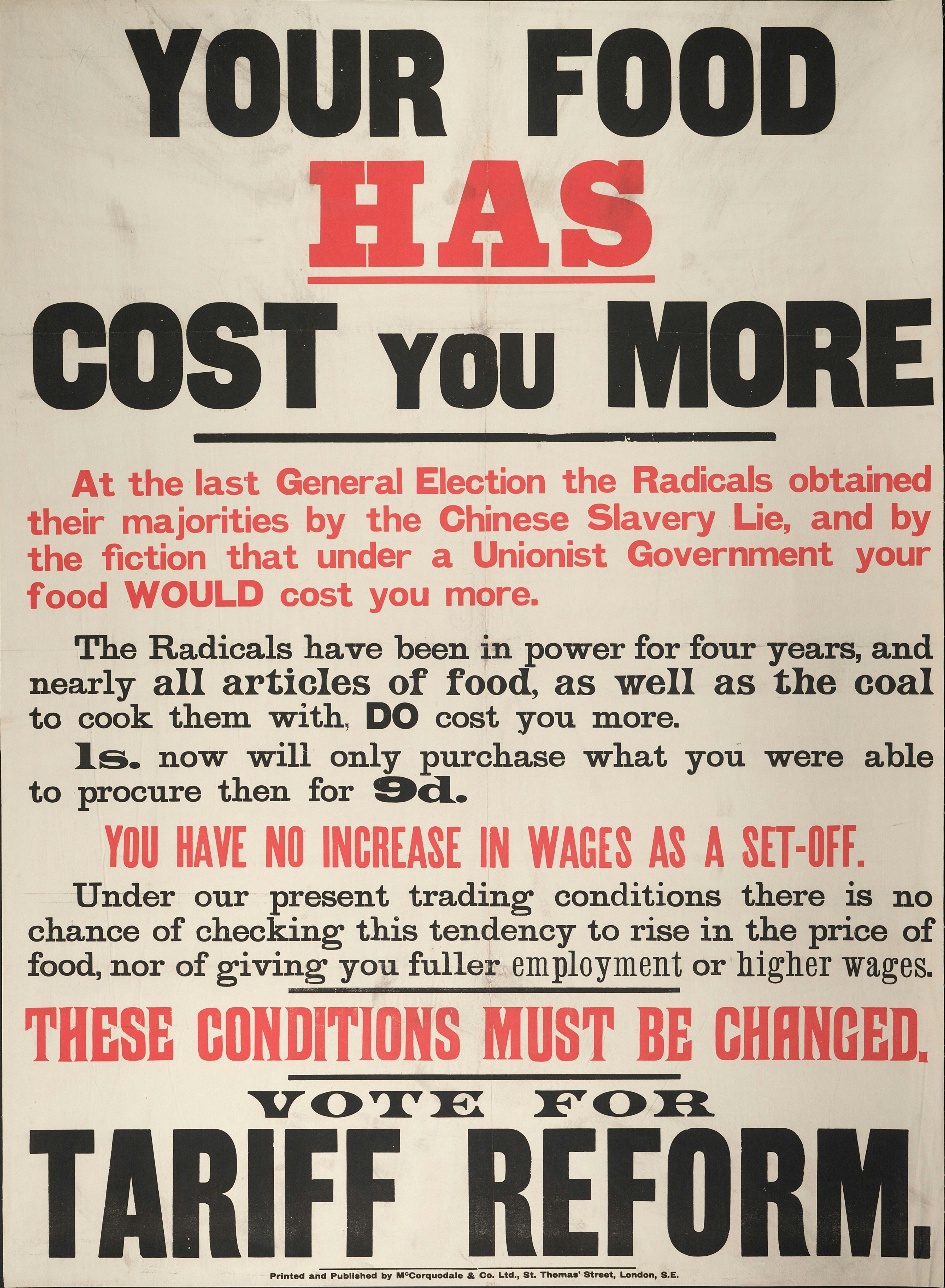
Similarly, trade disputes, particularly between major economies such as the United States and China, have resulted in tariffs that affect the cost of imports and exports. These tariffs can lead to price increases for a variety of products, thereby impacting consumer spending and overall economic growth. The ongoing trade tension not only threatens individual sectors but also creates an atmosphere of uncertainty, which can stifle investment and innovation.
Moreover, recent diplomatic relations unfolding in regions like the Middle East can disrupt oil markets, as tensions influence oil supply and pricing. Any instability in this critical region can lead to unpredictable fluctuations in oil prices, which have historically been tied to inflation rates. As countries react to these geopolitical tensions, the ripple effects are felt worldwide, showcasing the interconnectedness of modern economies.
In light of these examples, it is evident that recent geopolitical events play a pivotal role in shaping economic realities and influencing inflation rates. An ongoing analysis of such dynamics is vital for understanding the current economic landscape and forecasting future trends.
Supply Chain Disruptions and Inflation
The interplay between geopolitical tensions and supply chain disruptions has become increasingly evident in recent times. These disruptions frequently arise from political conflicts, trade disputes, or regulatory changes, all of which can significantly hinder the smooth flow of goods and services across borders. When these events occur, they can lead to immediate and sometimes dramatic increases in production costs, which, in turn, contribute to inflationary pressures.
For instance, the ongoing geopolitical struggles between major economic powers can result in tariffs being imposed on imports, leading to higher costs for manufacturers. These increased costs are often passed down to consumers, causing prices to rise across various sectors. The technology industry has been particularly affected, as seen in the semiconductor shortages exacerbated by escalating tensions between the United States and China. This shortage has slowed down production for various electronics, directly impacting their pricing and availability in the market.
Additionally, the energy sector is another area heavily influenced by geopolitical events. Conflicts in oil-rich regions can disrupt the supply of crude oil, resulting in volatile prices. Such disruptions not only affect fuel costs but also indirectly increase the costs for goods that rely on transportation, thus triggering a ripple effect throughout the economy. When energy prices surge, consumers face heightened costs for a wide array of products ranging from food to household items, contributing to the overall inflation rate.
In conclusion, the interconnection between geopolitical tensions and supply chain disruptions highlights a critical aspect of today’s global economy. As nations navigate these complexities, it remains essential to monitor both geopolitical developments and their consequent impact on inflation, especially in industries where supply chains are especially vulnerable to external shocks.
The Energy Crisis and Inflation
The intersection of geopolitics and energy prices plays a pivotal role in shaping global inflationary trends. Geopolitical conflicts, particularly in energy-rich regions such as the Middle East, significantly influence the supply and pricing structures of oil and gas. When tensions escalate, the risk of supply disruptions can lead to sharp increases in energy costs. This, in turn, triggers a ripple effect throughout the economy, contributing to overall inflation as households and businesses face soaring energy expenses.
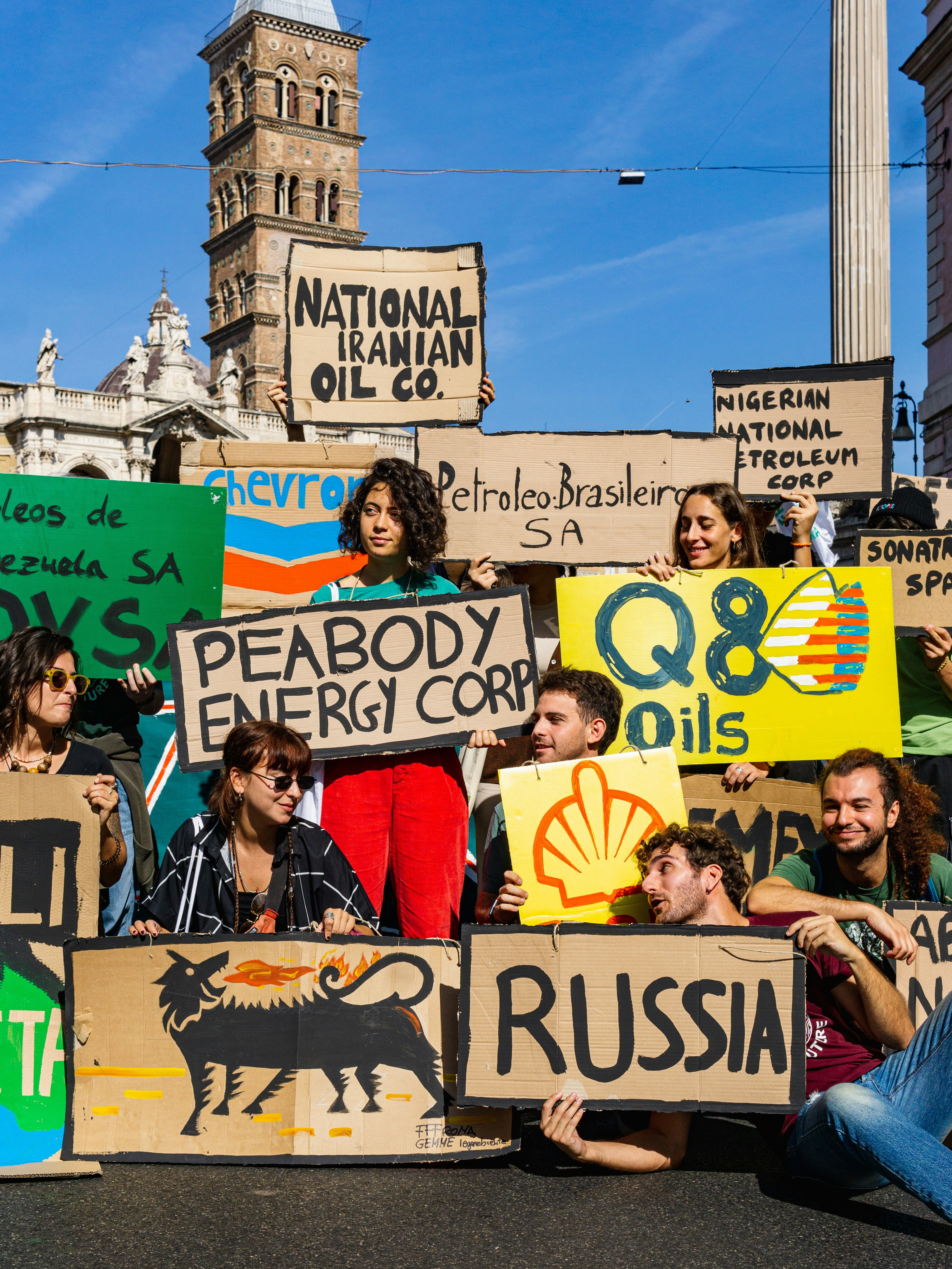
For instance, sanctions imposed due to geopolitical disputes often target major oil producers, leading to restricted supply in the market. As the demand for energy remains relatively inelastic in the short term, these supply constraints lead to increased prices. Higher oil and gas prices do not only impact direct energy costs; they also escalate transportation costs, which can result in higher prices for consumer goods and services, thereby fueling inflation further.
Moreover, the correlation between energy prices and inflation is exacerbated by the globalized nature of the energy market. A rise in energy costs in one region can affect prices worldwide, as interconnected supply chains become more sensitive to fluctuations. In this context, national energy policies are often intertwined with the geopolitical landscape, as countries attempt to secure their energy sources and ensure price stability.
The current energy crisis, influenced by ongoing geopolitical tensions and transitions towards renewable energy, has made the relationship between energy production policies and inflation even more critical. As governments navigate this complex landscape, their responses will shape future energy prices and the accompanying economic consequences. Understanding this interplay is essential for comprehending how geopolitical factors intricately weave into the fabric of global inflationary pressures.
Central Bank Responses to Geopolitical Inflation
The role of central banks has become increasingly critical in managing inflation that arises from geopolitical tensions. As global economies become more interconnected, the influence of geopolitical factors on economic conditions has intensified. In this context, central banks are tasked with navigating the complexities of inflation that is not purely driven by domestic factors but significantly influenced by international events.
Monetary policy adjustments are one of the primary tools central banks utilize in response to rising geopolitical inflation. When tensions escalate—such as trade conflicts, military conflicts, or sanctions—economic security can be compromised, leading to fluctuations in prices of essential goods and services. In such scenarios, central banks may opt to modify interest rates. Raising interest rates can help tame inflation by cooling off spending and investment, although it may also dampen economic growth. Conversely, if the geopolitical situation is causing a slowdown, central banks may lower interest rates to stimulate economic activity, despite potential inflationary pressures.
In addition to interest rate adjustments, central banks engage in various strategies to communicate their intentions to markets effectively. Clear guidance helps anchor inflation expectations, which can be crucial during periods of uncertainty. For instance, forward guidance can signal to the market how long a central bank anticipates keeping interest rates low or high, thus influencing consumer behavior and financial decision-making. Furthermore, central banks may also adopt unconventional strategies, such as quantitative easing, to increase liquidity in response to sudden shocks caused by geopolitical events.
Overall, the intricate balance that central banks must strike in responding to geopolitical inflation requires a comprehensive understanding of both domestic and international dynamics. By employing a mix of traditional and innovative monetary policy tools, central banks aim to stabilize their economies in the face of unpredictable geopolitical landscapes.
Public Sentiment and Political Reactions to Inflation
Inflation remains a critical global issue, deeply influenced by geopolitical dynamics. As prices rise, public sentiment often shifts, placing significant pressure on governments. Citizens frequently associate inflation with economic instability, which can lead to discontent and dissatisfaction with ruling authorities. The interplay between inflation and public perception becomes particularly pronounced during times of geopolitical tension, where price increases may exacerbate existing frustrations.
When inflation is driven by factors such as supply chain disruptions or sanctions resulting from geopolitical conflicts, it becomes a focal point for public debate. Voters may express frustration over the perceived inadequacy of government responses. This can lead to political unrest, evidenced in protests and demonstrations against rising costs of living. Historically, instances of high inflation have witnessed populace movements demanding accountability and shifts in policy to alleviate financial burdens.
Political reactions to inflation often vary according to party lines and ideological stances. In some cases, ruling parties may attempt to mitigate dissatisfaction through financial relief measures or active communication to reassure citizens regarding economic stability. Conversely, opposition parties may capitalize on the public’s frustrations, using inflation as a platform to challenge the incumbents. Rising prices can lead to shifts in voter behavior, particularly during electoral cycles where economic performance is a key concern for constituents.
The media also plays a crucial role in shaping public perception regarding inflation. Coverage that highlights the impact of rising prices on everyday life can amplify discontent and influence political narratives. As a result, the intertwined relationship between public sentiment, inflation, and politics becomes a vital aspect of understanding contemporary governance and electoral dynamics.
Case Studies of Geopolitical Inflation in History
Throughout history, geopolitical events have often led to significant inflationary pressures in various economies. One prominent case is the Oil Crisis of the 1970s, triggered by OPEC’s oil embargo in response to U.S. support for Israel during the Yom Kippur War. The sudden spike in oil prices not only increased transportation and production costs but also led to stagflation—a situation characterized by stagnant economic growth and rising inflation. This period illustrated how geopolitical decisions can have dramatic impacts on global energy markets, resulting in widespread economic repercussions.
Another notable example is the hyperinflation experienced in Germany during the early 1920s, primarily as a consequence of the Treaty of Versailles following World War I. The onerous reparations imposed on Germany led to monetary policies that resulted in excessive printing of money. As a result, the value of the German mark plummeted, and prices soared. This episode exemplifies how geopolitical outcomes from conflicts can influence economic stability, ultimately teaching nations about the risks associated with punitive measures to weak economies.
Similarly, the geopolitical tensions between the United States and Soviet Union during the Cold War, particularly in the late 1980s, created scenarios that led to inflationary pressures in various countries, especially those reliant on subsidy support from either superpower. The fluctuations in foreign aid and investment influenced local economies, often escalating prices and creating a cycle of inflation and recession in affected nations. Lessons learned from these instances emphasize the significance of geopolitical stability for economic health and the potential for international relations to directly impact inflation across borders.
Future Outlook: Geopolitics and Inflation
The interplay between geopolitics and inflation is poised to evolve significantly in the coming years. As nations grapple with the consequences of recent geopolitical events, such as trade wars, regional conflicts, and shifts in alliances, the inflationary landscape may experience distinct transformations. A key consideration is the way countries will respond to these challenges through their monetary policies and economic strategies.
Current trends indicate an increase in protectionism and a re-evaluation of interdependencies that have characterized global trade for decades. Countries are likely to prioritize self-sufficiency, which may result in supply chain disruptions and increased costs for consumers. This focus on local production could drive inflation as businesses pass on higher production costs to consumers. Additionally, volatile energy prices, which are often influenced by geopolitical strife, can further exacerbate inflationary pressures. Countries heavily reliant on imported oil may face increased costs that ripple throughout their economies.
Potential flashpoints, such as tensions in major resource-rich areas or significant military engagements, could lead to sudden spikes in commodity prices. Economies that are sensitive to these fluctuations must adopt diversified energy sources and develop robust domestic resources to mitigate the impact of geopolitical disturbances on inflation.
To navigate these complex dynamics, nations may employ a variety of economic strategies. Central banks could adopt tighter monetary policies to counteract inflation resulting from geopolitical issues, while governments might implement fiscal measures to bolster local industries. The prognosis for inflation in a geopolitically charged environment suggests a period of volatility, requiring resilient economic frameworks that can adjust to shifting global landscapes.