Understanding Crisis Investing
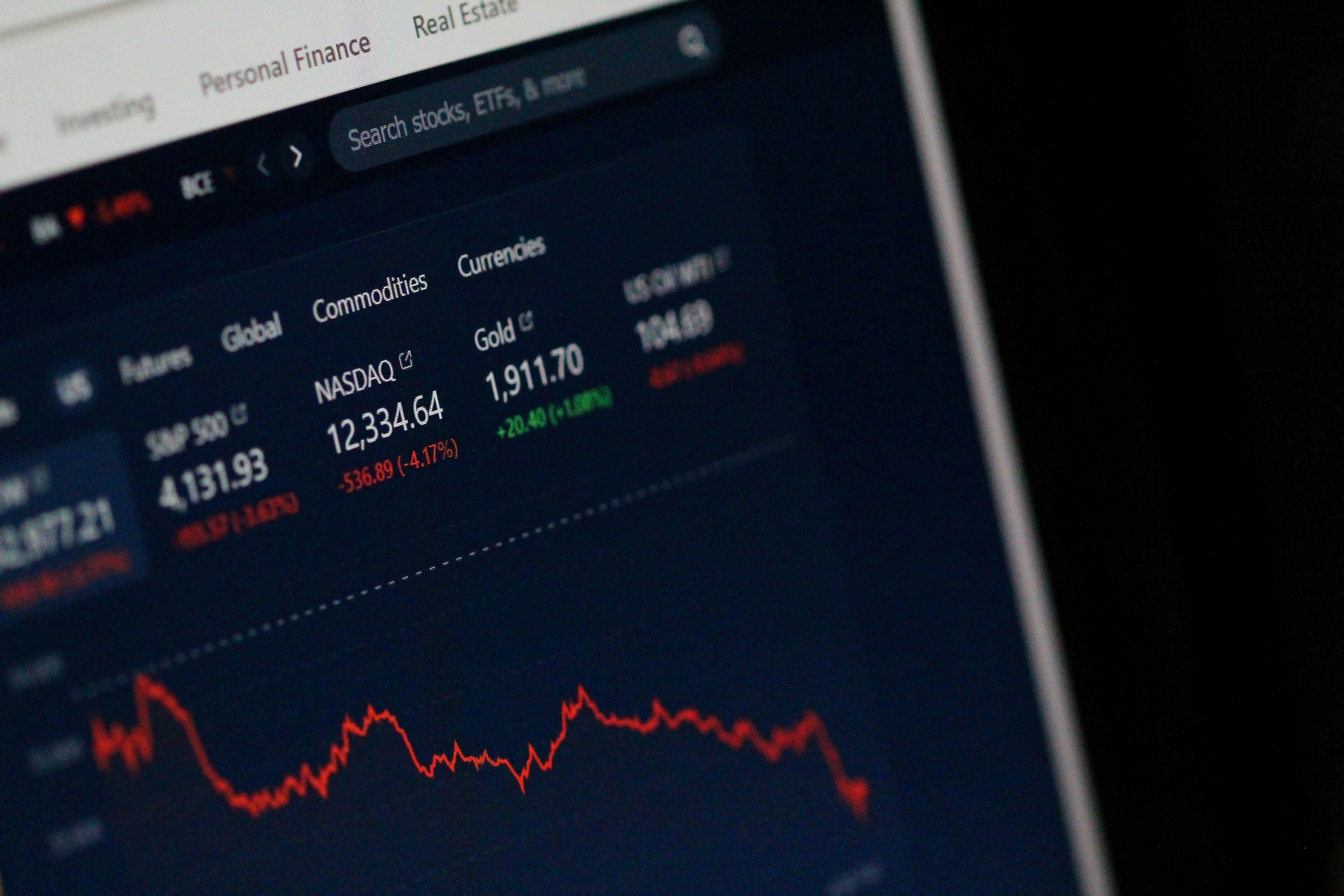
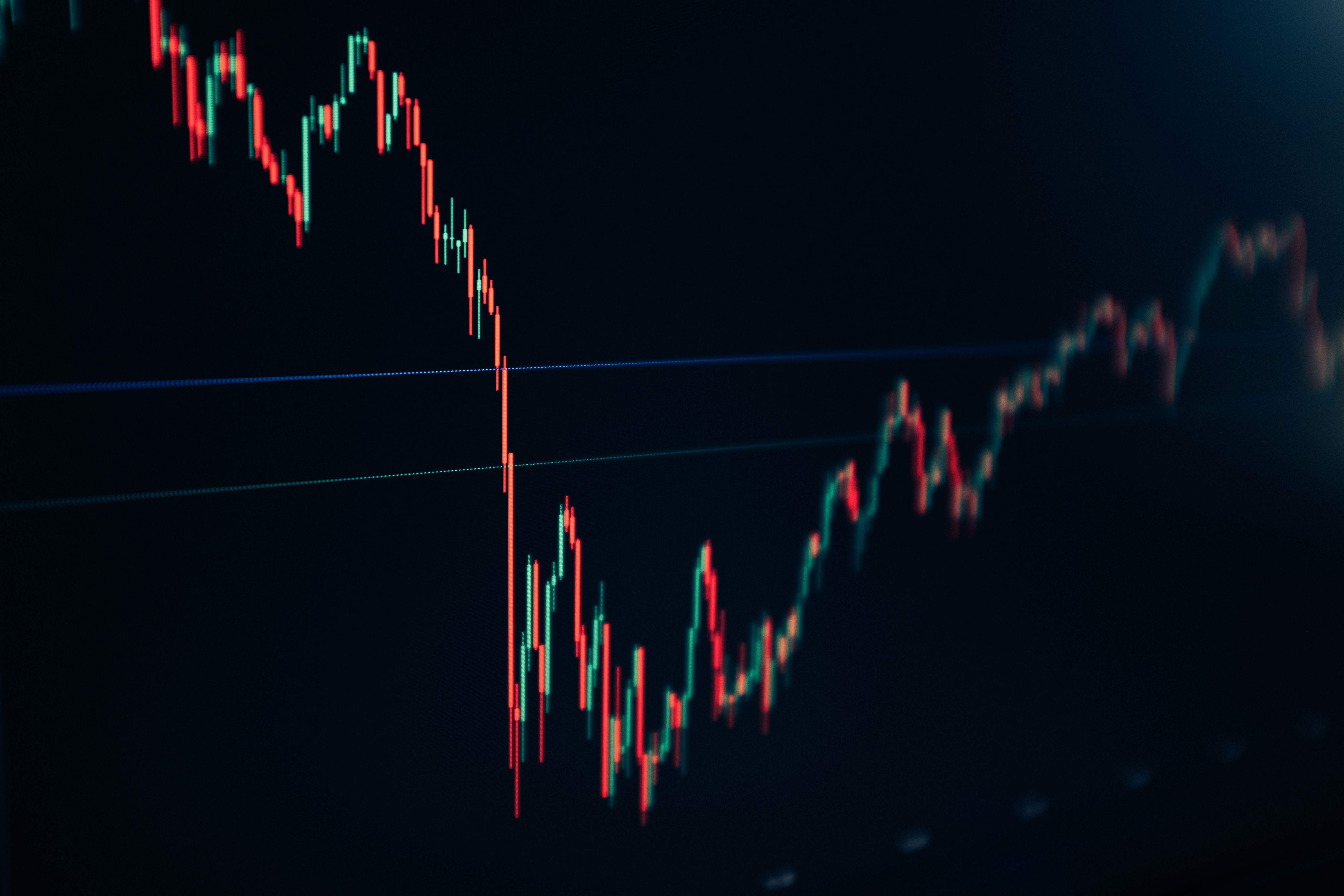
Crisis investing refers to the practice of identifying and investing in financial opportunities that arise during periods of economic instability, such as wars, natural disasters, or geopolitical tensions. These volatile periods can create extensive market dislocations, leading to undervalued assets and unique investment opportunities. Historically, adept investors have leveraged significant crises to secure substantial gains, as mispricing often occurs amid widespread fear and uncertainty.
Throughout history, we can observe numerous instances where investors capitalized on crises. For instance, during World War II, many savvy investors acquired shares in companies that were initially undervalued due to the prevailing conflict. As economies emerged from the war, these investments yielded remarkable returns. Similarly, the financial crisis of 2008 presented opportunities for forward-thinking investors who recognized the potential in distressed assets.
The mindset of a crisis investor revolves around a combination of resilience, analytical thinking, and opportunism. Understanding that volatility can also signal prospects requires a shift in perspective. Investors must be willing to assess risks carefully and determine which sectors can thrive or recover post-crisis. Key strategies include diversification, focusing on sectors with robust demand regardless of economic conditions, and maintaining a long-term investment horizon to ride out immediate turbulence.
Moreover, engaging in thorough research to identify potential safe havens—such as essential goods and services or innovative technology—is crucial. Investors should also be prepared to pivot quickly, aligning their strategies with evolving market sentiments and global events. By harnessing these principles, individuals can convert the uncertainties associated with conflict and crisis into significant investment opportunities.
The Psychology Behind Crisis Investing
During times of crisis, investors often experience heightened emotional responses, primarily characterized by fear and uncertainty. These psychological states significantly influence investment decisions, leading to behaviors that can undermine financial stability and long-term growth. Panic selling, for instance, occurs when investors feel overwhelmed by negative news and projections, prompting them to liquidate their assets in a bid to mitigate perceived losses. This behavior exacerbates market volatility and can create opportunities for those with a more rational approach.
Understanding the psychology of crisis investing requires an awareness of cognitive biases that may skew judgment. Confirmation bias, for example, can lead investors to favor information that aligns with their fears while disregarding evidence suggesting that certain assets might be undervalued. Additionally, loss aversion often prompts individuals to prioritize the avoidance of losses over the potential for gains, which can stifle decision-making and lead to missed opportunities. Recognizing these biases is crucial for navigating turbulent markets.
On the other hand, periods of crisis can present unique investment prospects. Savvy investors who maintain a level-headed perspective may find that they can acquire undervalued stocks or real estate at a discount, often leading to significant returns once stability returns to the market. The ability to remain calm and rational in the face of discomforting emotions is essential for successful crisis investing.
In summary, managing the psychological fallout of crises is central to making informed investment choices. By mitigating emotional influence and embracing a proactive, strategic mindset, investors can effectively turn market fear into an opportunity for financial growth and success.
Identifying Crisis-Related Opportunities
In times of conflict and geopolitical tension, savvy investors often seek to identify crisis-related opportunities that may arise from the tumult. Certain sectors tend to experience heightened demand or increased value during such periods, making them potential hotspots for investment. One of the most obvious sectors is defense, as military expenditure typically rises during conflicts. Investing in defense contractors or technology developers can yield positive returns as nations bolster their military capabilities to respond to emerging threats.
Another critical sector to consider is energy. Conflicts often disrupt supply chains, causing spikes in oil prices and increasing the value of energy stocks. For example, companies involved in oil extraction, natural gas supply, and renewable energy technologies might present attractive investment opportunities as the market reacts to instability. Additionally, commodities such as precious metals often serve as safe-haven assets during turbulent times, and investing in these can hedge against market volatility.
To successfully identify viable investments amid crises, a structured approach to research and analysis is essential. First, keep abreast of geopolitical developments by following credible news sources and reports. Understanding the underlying factors of a conflict can help discern which sectors are likely to be favored or adversely impacted. Furthermore, consider employing quantitative analysis to gauge market reactions historically, as well as qualitative assessments to evaluate company management and strategy in the face of uncertainty.
In summary, identifying crisis-related opportunities involves recognizing sectors that typically thrive in times of conflict, such as defense, energy, and commodities. Equally important is engaging in thorough research and analysis to pinpoint and vet potential investment avenues, thus enabling an informed approach to crisis investing.
Risk Management in Crisis Investing
Engaging in crisis investing, particularly in scenarios marked by war and geopolitical strife, necessitates a robust approach to risk management. Investors aim to capitalize on downturns, but there are inherent risks that must be navigated carefully. One of the fundamental methodologies for mitigating risks in these tumultuous environments is diversification. By spreading investments across various sectors and geographic regions, investors can reduce exposure to any single point of failure. For instance, if one particular market faces significant declines due to conflict, investments in unrelated industries or resilient areas can help safeguard overall portfolio performance.
Another critical strategy is the implementation of hedging techniques. This involves employing financial instruments such as options or futures contracts to protect against potential losses. For instance, purchasing put options on stocks may offer security against downturns in specific industries adversely affected by war. Hedging allows investors to maintain positions that may be temporarily volatile, thus fostering potential long-term growth without the immediate risk of substantial loss.
Moreover, setting stop-loss orders is a prudent measure for protecting capital during periods of heightened uncertainty. This strategy enables investors to specify an exit point for their investments, thereby limiting potential losses. In a rapidly changing geopolitical landscape, having predefined thresholds for selling can prevent emotional decision-making and human errors that often exacerbate losses. Regularly reviewing and adjusting these stop-loss levels ensures that investors remain aligned with market dynamics and personal risk tolerance.
In conclusion, risk management is not merely a recommendation but a necessity in crisis investing. The implementation of diversification, hedging strategies, and stop-loss orders serves to shield investors from the volatile nature of war-related investments. These practices cultivate a disciplined investment environment, fostering resilience in unpredictable market conditions.
Case Studies of Successful Crisis Investments
Historical events often give rise to significant investment opportunities during periods of crisis. Two prominent examples are the Gulf War and the COVID-19 pandemic, where strategic investments yielded substantial returns. During the Gulf War in the early 1990s, many investors recognized the potential in defense contractors. Companies such as Lockheed Martin and Boeing experienced increased demand for their products as governments ramped up military spending. Those who invested early in these firms reaped substantial profits as contracts were awarded, highlighting the importance of analyzing government expenditures in times of global conflict.
Similarly, during the COVID-19 pandemic, certain sectors showed remarkable resilience and growth, offering discerning investors profitable avenues. Technology companies that enabled remote work, such as Zoom and Microsoft, experienced unprecedented surges in demand. Investors who pivoted towards technology stocks during the onset of the pandemic capitalized on this shift, demonstrating how quick analysis of emerging trends can yield positive investment outcomes. Furthermore, pharmaceutical companies involved in vaccine development, including Pfizer and Moderna, saw their stock prices soar as governments worldwide prioritized public health strategies.
These case studies illustrate that successful crisis investments stem from a keen understanding of the shifting market landscape. Investors must stay informed about geopolitical tensions, economic disruptions, and public health challenges. The key takeaway is the importance of acting swiftly based on emerging opportunities while maintaining a diversified portfolio to manage risk. Looking at historical instances, it becomes evident that proactive decision-making and strategic positioning can help investors turn potential crises into lucrative opportunities.
Emerging Markets and Crisis Investing
Emerging markets have long been recognized for their potential to offer unique investment opportunities, particularly during periods of crisis. Unlike developed markets, where corporate structures and government interventions may be entrenched, emerging markets often present a dynamic environment characterized by rapid growth and evolving economic landscapes. This volatility can create lucrative avenues for investors who are willing to navigate the accompanying risks.
During times of geopolitical instability, such as conflict or economic downturn, emerging markets may experience significant fluctuations in asset prices. These fluctuations can present opportunities for high returns, particularly for those investors who can accurately assess the market’s potential for recovery and growth. However, it is crucial to recognize that, alongside these opportunities, there are inherent risks. Factors such as political instability, weak regulatory frameworks, and economic volatility must be considered carefully before investing in these regions.
One key component in crisis investing within these markets is the evaluation of geopolitical stability. Countries that demonstrate resilience in the face of adversity, such as those with diversified economies or robust financial systems, may represent more secure investment options. Furthermore, sector-specific trends in emerging markets often reflect shifts in global demand and supply, influencing investment choices. For example, technology and renewable energy sectors may flourish even under adverse circumstances, providing favorable conditions for investors.
Investors should also consider economic resilience, as markets with strong fundamentals may be better positioned to weather crises. This involves examining factors like internal economic policies, debt levels, and currency stability. Overall, while emerging markets can offer substantial competitive advantages during crises, prudent assessment and strategic selection are essential for successful crisis investing.
In the realm of crisis investing, technology plays a pivotal role by reshaping how investors approach opportunities and risks during tumultuous times. The advancements in data analysis have become instrumental in enhancing decision-making processes, enabling investors to sift through massive volumes of information rapidly. Insights gleaned from big data can highlight emerging trends and potential investment opportunities that may remain hidden through traditional analysis methods.
Artificial intelligence (AI) is at the forefront of this technological evolution, allowing for predictive analytics that can assess future market movements based on current and historical data. AI algorithms can detect patterns that human analysts might overlook, reducing the time taken to identify lucrative positions. This capability is especially crucial in wartime situations where markets can react unpredictably to geopolitical events.
Moreover, online trading platforms have revolutionized the accessibility of investments, enabling real-time transactions that allow investors to capitalize on opportunities as they arise. These platforms frequently integrate sophisticated trading tools that support algorithmic trading, allowing for automated responses to market fluctuations. This instant reaction capability is vital in environments where news can alter market sentiment almost instantaneously.
Furthermore, social media and news aggregators serve as additional resources, providing immediate updates on global happenings that can affect investment landscapes. Investors can leverage these sources to enhance their situational awareness, making informed decisions based on the latest developments rather than relying solely on slower, traditional news outlets.
In conclusion, the intersection of technology and crisis investing creates a formidable advantage for those who harness its potential. As technology continues to advance, the efficacy of crisis investing is likely to improve even further, offering new pathways and strategies for turning risks into opportunities.
Ethical Considerations in Crisis Investing
Crisis investing, while presenting lucrative opportunities, raises significant ethical questions that require careful consideration. As investors contemplate profiting from scenarios characterized by turmoil, conflict, and disaster, they must grapple with the moral implications of their financial choices. The essence of crisis investing often lies in recognizing undervalued assets during periods of instability. However, the fundamental question remains: is it ethical to derive profit from human suffering?
Investors must acknowledge the potential consequences of their actions on affected populations. Profitability that stems from crises might inadvertently contribute to the perpetuation of suffering, as it could enable exploitative practices or exacerbate the challenges faced by vulnerable communities. This awareness compels investors to ponder not only the financial returns but also the broader societal impact of their investments.
Furthermore, the balance between financial opportunity and social responsibility is delicate. Investors should consider the ramifications of their strategies, seeking to engage in practices that uphold ethical standards while pursuing profits. For instance, some may choose to invest in companies that provide essential services or products during times of crisis, ensuring that their financial pursuits also align with actions that contribute positively to society.
Moreover, it is essential for investors to reflect on their motivations and the narratives they perpetuate through their investment choices. Acknowledging the power dynamics at play can lead to a more nuanced understanding of crisis investing as a concept. Ultimately, ethical crisis investing encourages a comprehensive view that transcends mere profit, emphasizing the human elements intertwined with financial endeavors.
Future Outlook for Crisis Investing
The realm of crisis investing has always been influenced by a variety of geopolitical and economic factors. As we move further into a rapidly changing global environment, it is crucial for investors to remain cognizant of upcoming trends and potential events that may impact their investment strategies. With the current geopolitical tensions and economic uncertainty, the landscape for crisis investing is poised for significant transformation.
One anticipated event is the potential escalation of international conflicts, particularly in regions where resource scarcity could heighten tensions. Investors should look to diversify their portfolios by exploring assets that historically perform well during crises, such as gold, treasury securities, and certain commodities. Additionally, the rise of digital currencies may provide alternative avenues for investment when traditional markets become volatile.
Furthermore, as climate change continues to affect global economies, sectors focused on sustainability and renewable energy are likely to gain traction. Investors can prepare for these shifts by evaluating companies that prioritize sustainable practices, as these may not only withstand turmoil but thrive in a post-crisis economy. Interest in green technologies and socially responsible investments is expected to surge, defining the future of crisis investing.
To effectively adapt to unexpected crises, investors should implement robust risk management strategies. This includes maintaining liquidity, conducting thorough due diligence, and actively monitoring global events that could signal a shift in economic stability. Networking with other investors and seeking expert advice will also provide insights into emerging opportunities, enabling proactive decision-making amid uncertainty.
In conclusion, the future of crisis investing looks towards a blend of traditional assets and innovative opportunities shaped by global events. By staying informed and adaptable, investors can navigate the complexities of crisis situations and potentially capitalize on the opportunities they present.