Introduction to the Global Economy
The global economy refers to the interconnected economies of countries across the world, characterized by the flow of goods, services, and capital beyond national borders. It encompasses the economic activities and interactions that occur on a global scale, reflecting the complex relationships between nations. In this regard, the global economy is a dynamic entity, continually influenced by various factors such as technological advancements, geopolitical developments, and changes in consumer behavior, which can either bolster or hinder its growth.
Central to the understanding of the global economy is the concept of international trade, which facilitates the exchange of goods and services between countries. Through international trade, nations can access a broader array of products, often at lower prices due to comparative advantage. This trade not only boosts domestic economies but also fosters strong diplomatic ties, enhancing global cooperation and stability. As economies become more interdependent, the effects of economic policies implemented in one country can have far-reaching implications for others, underlining the necessity for coordinated efforts during periods of economic uncertainty.
The significance of a globalized market cannot be overstated, particularly regarding economic development. A globalized market encourages investment across borders, allowing emerging economies to access capital and technology that are vital for growth. Furthermore, globalization has the potential to uplift living standards by providing greater access to employment opportunities and resources. However, this interconnectedness also presents inherent challenges, including economic disparities between nations and vulnerabilities to global financial crises. Understanding the nuances of the global economy is critical for policymakers, businesses, and citizens alike to navigate its complexities effectively and capitalize on the opportunities it presents.
Historical Evolution of the Global Economy
The global economy has undergone significant transformations since ancient times, beginning with rudimentary trade practices among communities and evolving into a complex network of interconnected markets. The earliest forms of trade, which included barter systems and the exchange of goods based on need, laid the groundwork for more sophisticated economic interactions. As societies progressed, the introduction of currency facilitated trade, enhancing its efficiency and scope.
The advent of the Industrial Revolution in the 18th century marked a pivotal moment in the history of the global economy. With technological advancements in manufacturing and transportation, production shifted from artisanal crafts to mass production. This era saw the rise of factories, which significantly increased output and led to urbanization as individuals migrated towards industrial hubs for employment. The effects of industrialization were global, creating new markets and supply chains that transcended borders.
Subsequently, the late 19th and early 20th centuries witnessed the rise of multinational corporations, which further transformed the global economy. These entities expanded their operations internationally, optimizing resources and capitalizing on varying economic conditions across countries. Furthermore, the creation of international trade organizations, such as the General Agreement on Tariffs and Trade (GATT) in 1947, facilitated the reduction of trade barriers, fostering a more integrated global market. This framework laid the foundation for contemporary institutions, such as the World Trade Organization (WTO), which promote free trade and economic cooperation among nations.
Throughout these historical milestones, the global economy has faced various challenges, including economic recessions, trade disputes, and shifts in political power. These developments have shaped the current economic landscape, emphasizing the need for countries to navigate a constantly changing environment to drive growth and sustain prosperity in the future.
Key Players in the Global Economy
The global economy is a complex system that involves multiple actors, each playing a significant role in shaping its dynamics. At the forefront are nation-states, which have historically been viewed as the primary players. Countries like the United States, China, and members of the European Union wield considerable influence due to their vast markets, economic resources, and policy decisions that can ripple across the globe.
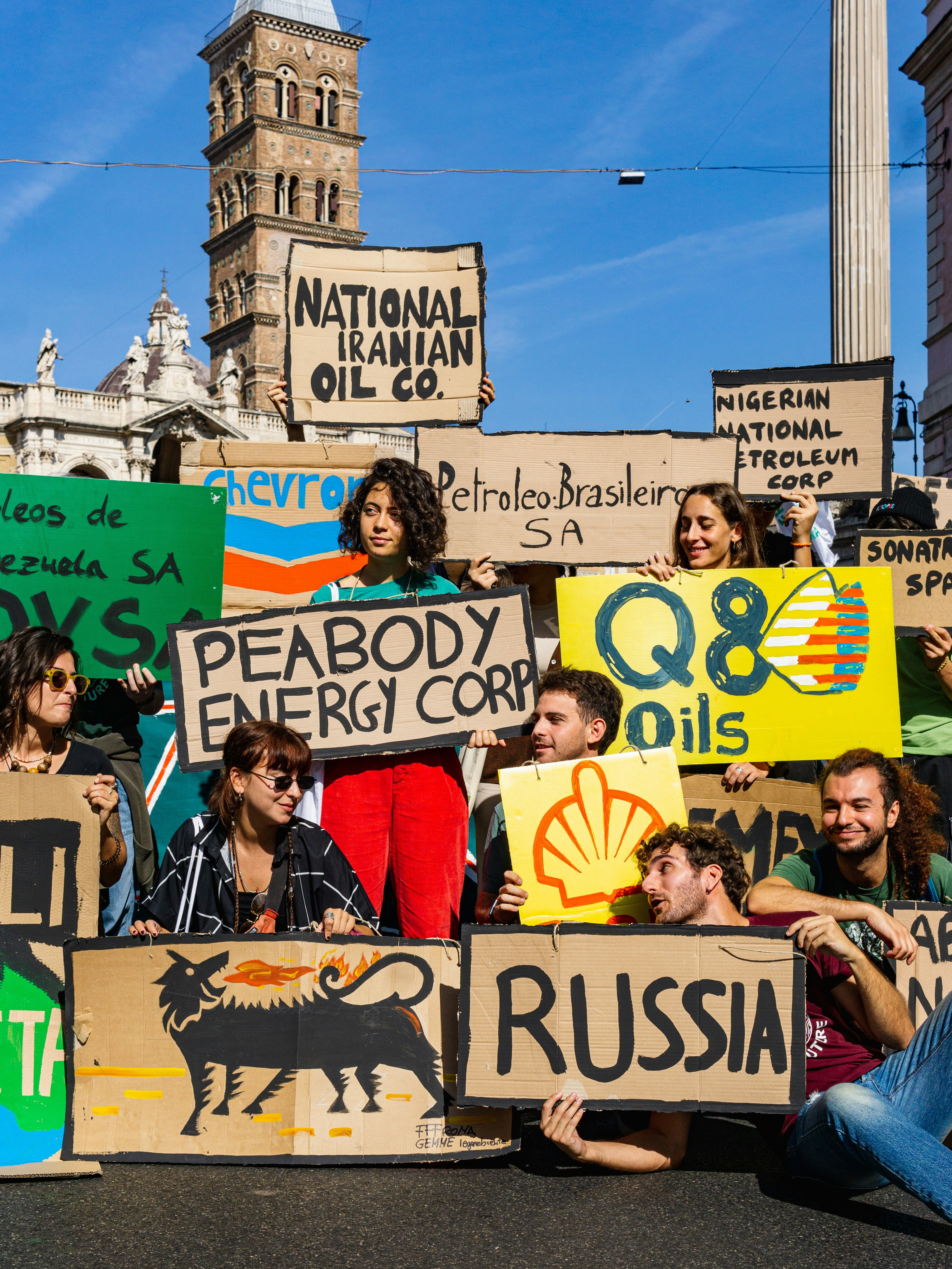
In addition to national governments, multinational corporations (MNCs) are pivotal in the global economy. These companies, operating in multiple countries, are key players in international trade and investment. MNCs like Apple, ExxonMobil, and Unilever not only contribute to economic growth but also actively influence government policies and international labor standards through their economic power.
Financial institutions, including banks, investment firms, and hedge funds, play a crucial role in facilitating global trade and finance. Organizations such as the International Monetary Fund (IMF) and the World Bank are instrumental in providing financial assistance and policy advice to countries, particularly those facing economic challenges. These supranational organizations work to stabilize economies, prioritize global development, and address international economic disparities, thereby shaping the global economic landscape.
The interactions among these key players create a web of economic relations that influence everything from trade agreements to monetary policies. For instance, tensions between countries can affect multinational investments or create shifts in supply chains, while the decisions made by financial institutions can drive market trends worldwide. Understanding the roles and relationships among these participants is essential for comprehending the complexities of the global economy and anticipating future economic trends.
Trade Policies and Their Impact
Trade policies play a crucial role in shaping the global economy by influencing the movement of goods and services across international borders. These policies, which include tariffs, trade agreements, and protectionist measures, have significant implications for economic stability and international relations. Tariffs, for instance, are taxes imposed on imported goods, which can raise the overall cost of these products for consumers and create a barrier to trade. The primary objective of implementing tariffs is often to protect domestic industries from foreign competition, thereby preserving jobs and boosting local economies.
However, the implementation of tariffs can lead to trade wars, where countries retaliate against each other’s policies, ultimately disrupting global supply chains and creating economic uncertainty. Such conflicts not only affect the countries involved but also have ripple effects on third-party nations, emphasizing the interconnectedness of today’s global marketplace. Trade agreements, on the other hand, are negotiated to facilitate smoother trade relations by eliminating tariffs or reducing trade barriers between signatory countries. Agreements like the North American Free Trade Agreement (NAFTA) or the European Union’s single market are examples of how countries seek to enhance collaboration, boosting economic growth and increasing international trade.
Additionally, trade policies influence the flow of foreign direct investment (FDI), as favorable conditions can attract investment, resulting in technology transfer and job creation. Conversely, unpredictable or restrictive trade policies can deter investors, leading to reduced economic growth. The balance that countries strike between protecting domestic interests and engaging in international trade is thus critical in shaping the future of their economies. As nations navigate complex economic landscapes, understanding the implications of trade policies becomes essential for policymakers and businesses alike.
Global Financial Systems and Markets
The global financial system plays a fundamental role in the workings of the international economy, acting as the backbone that supports trade and investment across borders. This complex structure encompasses various components, including stock markets, currency exchange systems, and banking networks. Each of these elements is interlinked, functioning collectively to facilitate the flow of capital and resources necessary for economic growth.
Stock markets, which represent a vital part of the global financial landscape, enable companies to raise capital by offering shares to investors. This accessibility to funds allows businesses to expand, innovate, and contribute to job creation. The performance of stock markets can be influenced by numerous factors, including economic indicators, interest rates, and geopolitical events. Therefore, they often serve as a barometer for the overall health of the global economy.
Currency exchange systems are another crucial component, facilitating international trade by enabling the conversion of one currency into another. Foreign exchange markets determine the value of currencies and play a significant role in stabilizing economies. Fluctuations in currency values can impact trade balances, inflation rates, and economic policies, illustrating the interconnectedness of countries within the global market.
Additionally, banking networks provide essential services that help businesses and individuals manage their finances, including lending, payment processing, and investment opportunities. A stable banking system fosters trust and encourages economic activity, as individuals are more likely to save and invest when they believe their financial institutions are secure. Conversely, instability within banks can lead to credit shortages, affecting both consumer spending and business investment, thus hindering economic progress.
Ultimately, the stability of financial markets is integral to the health of the global economy. Effective regulation, transparency, and cooperation among nations are vital in maintaining confidence in these systems. By doing so, the global financial infrastructure can support sustainable economic growth and mitigate the impact of financial crises.
Challenges Facing the Global Economy
The global economy is currently navigating a complex landscape marked by several significant challenges, notably economic inequality, rising unemployment, and the pressing impacts of climate change. Each of these issues not only poses risks to economic stability but also threatens social cohesion across nations.
Firstly, economic inequality has reached alarming levels in many parts of the world. Disparities in wealth distribution exacerbate social tensions and hinder economic growth. The increasing concentration of wealth among the top percentage of earners leads to diminished purchasing power for the majority, affecting overall consumer demand— a vital component of economic vitality. For instance, according to recent studies, the richest individuals have seen their fortunes soar, while billions of people struggle to meet basic needs. This uneven economic landscape can stifle development and create barriers to innovation and investment.
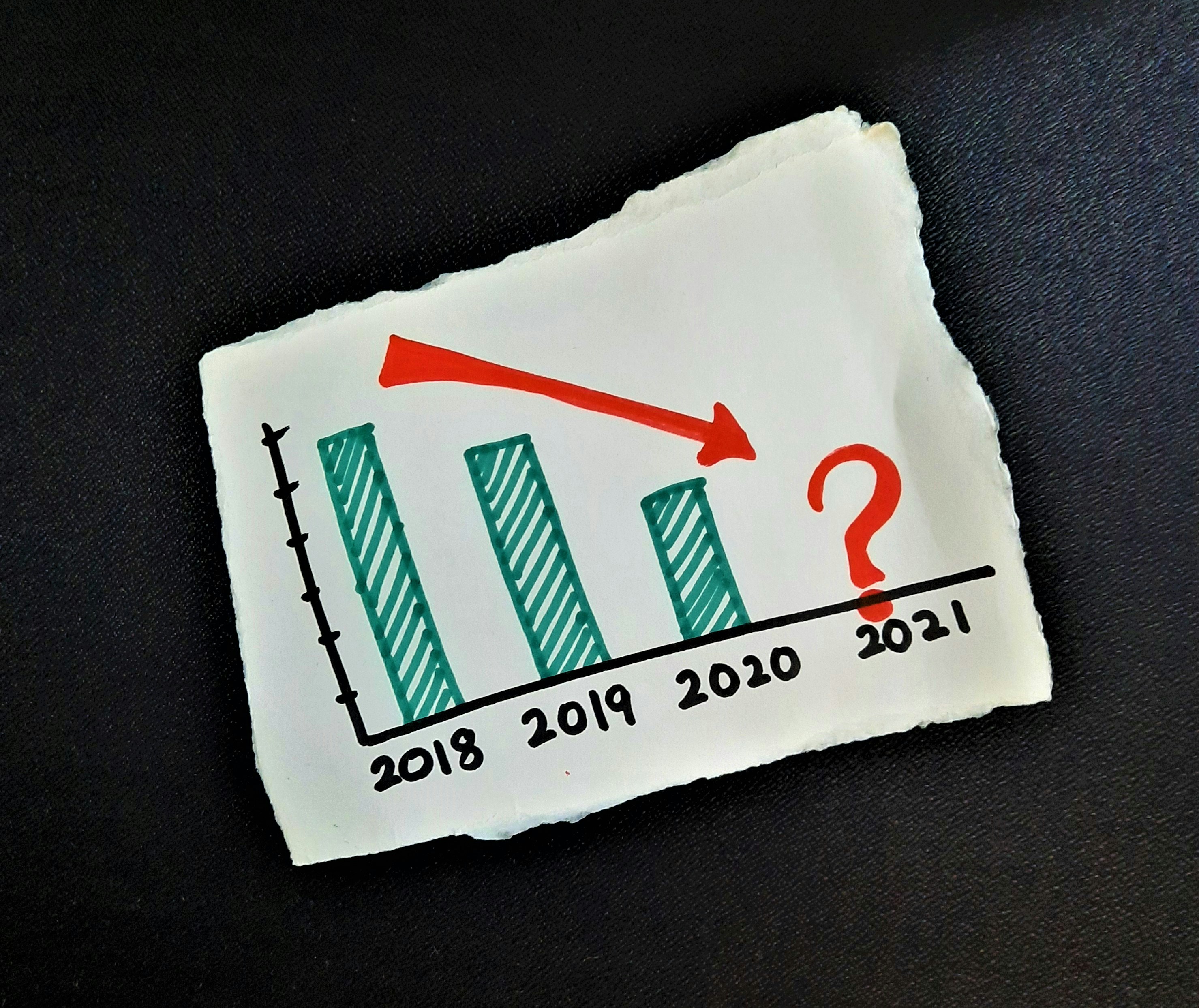
Unemployment presents another formidable challenge to global economies. Factors such as technological advancements, which often render certain job skills obsolete, and recent global disruptions due to the COVID-19 pandemic, have led to significant job losses in various sectors. In many regions, job recovery rates have been slow. High unemployment rates not only contribute to economic stagnation but also increase dependency on social welfare programs, further straining public resources.
Moreover, climate change represents a looming threat with profound economic implications. The increasing frequency of extreme weather events, such as hurricanes and droughts, disrupts supply chains and increases the costs of goods and services. Furthermore, transitioning to a sustainable economy while balancing immediate economic needs poses additional challenges for policymakers. The urgent need for climate action underscores the interconnections between environmental sustainability and economic health.
In summary, addressing these challenges requires concerted efforts from governments, private sectors, and civil society to promote equitable growth, foster job creation, and implement effective climate policies to ensure a resilient and sustainable global economy.
Technological Advancements and the Global Economy
Technology has fundamentally transformed the global economy, influencing various facets of trade and economic development. Advancements in communication have made it possible for businesses to operate on a global scale. The internet, for instance, allows companies to reach customers beyond their geographical boundaries, thus enhancing their ability to trade internationally. This has led to the establishment of global supply chains where raw materials may be sourced from one part of the world, manufactured in another, and sold in yet another region, reflecting the interconnectedness of modern economies.
Moreover, technological innovations in transportation have further facilitated international trade. The advent of faster shipping methods, such as containerization and air cargo, has significantly reduced the time and cost associated with moving goods across borders. This increased efficiency enables companies to respond more swiftly to market demands, thereby improving their competitiveness in the global marketplace. As a result, countries are able to tap into new markets, expanding their economic reach and bolstering their export capabilities.
Additionally, the rise of e-commerce has revolutionized consumer behavior and commerce itself. Online platforms allow businesses, both large and small, to sell directly to consumers, removing traditional barriers to entry. This democratization of trade has not only increased competition but has also provided opportunities for small enterprises to thrive. Digital currencies, such as Bitcoin and Ethereum, are also emerging as significant players in the global economy. They offer an alternative to traditional financial systems, promising faster transactions and lower fees, particularly in cross-border payments.
In conclusion, technological advancements continue to shape the contours of the global economy. As businesses adopt new technologies, their impacts ripple across economic systems, enhancing efficiency, connectivity, and access to global markets. Understanding these dynamics is essential for comprehending the challenges and opportunities that lie ahead in the evolving economic landscape.
The Future of the Global Economy
The future of the global economy is shaped by various interconnected factors, including emerging markets, sustainability efforts, and geopolitical tensions. As nations develop and modernize, emerging markets in regions such as Asia, Africa, and Latin America present significant opportunities and challenges for global economic growth. For instance, countries like India and Brazil are anticipated to play increasingly dominant roles on the world stage, as their younger populations drive innovation and consumption. This shift highlights a potential realignment in global trade patterns and investment destinations.
Moreover, there is an ongoing transition towards sustainable economic practices. The global emphasis on climate change and environmental responsibility is fostering a rise in green technologies and renewable energy sources. Companies and governments are prioritizing sustainable development, which influences economic policies and investment decisions. This trend paves the way for innovations that could redefine traditional industries, creating jobs and fostering economic resilience. Investment in sustainable practices is also likely to attract environmentally conscious investors and consumers, thereby fostering robust economic growth in a changing global landscape.
Furthermore, geopolitical tensions remain a considerable influence on the future of the global economy. Trade wars, territorial disputes, and shifts in political alliances can disrupt supply chains and impact market stability. For example, heightened tensions between major economies like the United States and China can lead to uncertainty, affecting global trade dynamics and business investments. Navigating these complex interrelations will be crucial for fostering a stable economic environment.
In conclusion, the global economy is on the brink of transformative changes driven by emerging markets, sustainability initiatives, and geopolitical dynamics. Understanding these trends is essential for stakeholders aiming to navigate the intricacies of the future economic landscape successfully.
Conclusion and Final Thoughts
Understanding the global economy is crucial in navigating the complexities of today’s interconnected world. Throughout this discussion, we have explored key dynamics that shape economic landscapes, including trade relations, technological advancements, and geopolitical influences. The interplay of these factors significantly impacts economic trends, thus affecting individuals everywhere, from large corporations to everyday consumers.
As global citizens, it is essential to recognize our role in the economy. Our purchasing decisions, consumption habits, and even our responses to global events contribute to shaping economic frameworks. By becoming more informed about how the global economy operates, we can better understand the implications of our actions, whether it includes advocating for fair trade practices or supporting sustainable businesses.
Moreover, the challenges faced by the global economy, including economic inequality, environmental sustainability, and response to crises such as the COVID-19 pandemic, highlight the necessity for collective action. We must monitor these issues closely, as they could potentially influence our future economic landscapes. Proactive engagement in conversations about economic management, consumer rights, and corporate responsibility will empower us as citizens to advocate for positive change within the economy.
In conclusion, fostering a comprehensive grasp of the global economy not only enriches our personal insights but also equips us with the tools necessary to influence systemic changes. Every action we take as consumers feeds into the larger economic machine, and by making informed choices, we can contribute to a more equitable and sustainable global economy.