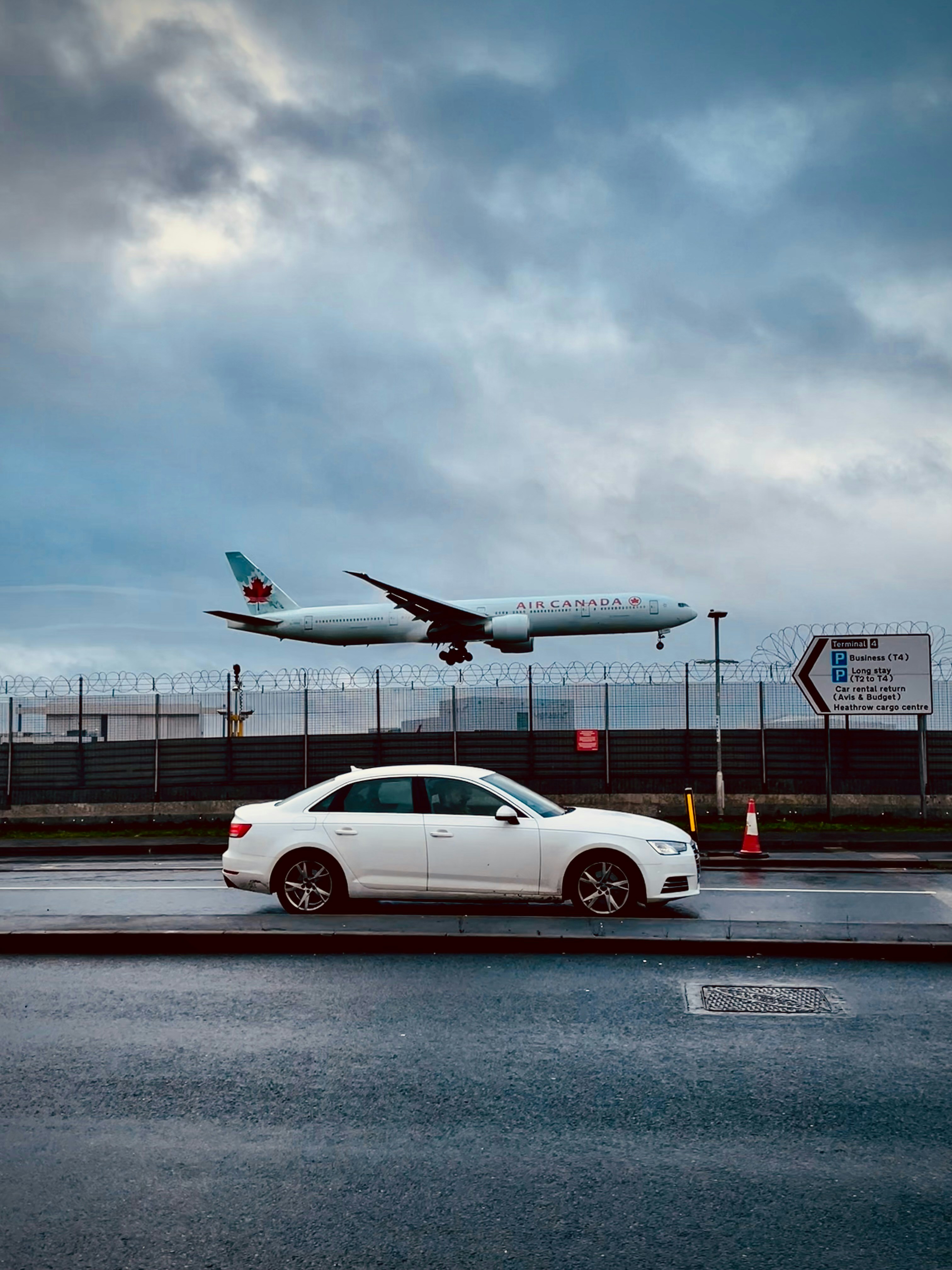
Introduction: The Impact of Global Conflicts on Airlines
Global conflicts, whether driven by war, political unrest, or social upheaval, have a profound effect on various industries, with the airline sector being particularly vulnerable. As tensions escalate in different regions, airlines often find themselves grounding flights, canceling routes, and adjusting schedules to respond to shifting political landscapes. This disruption results in financial losses that can amount to billions, as airlines lose billions as conflict grounds global travel.
One of the immediate consequences of armed conflicts or other forms of unrest is the significant decline in passenger demand. Travelers tend to avoid regions perceived as dangerous, leading to empty seats and further financial strain on airline operators. Moreover, insurance costs invariably rise in volatile areas, forcing airlines to increase ticket prices to cover elevated risks, which can further deter travelers.
Additionally, the international nature of the airline industry means that the repercussions of conflicts extend well beyond the affected region. Airlines operating globally face challenges with logistics and planning, as flight routes may need to be rerouted, often resulting in operational delays and further expenditure. This reality is compounded by the need for heightened security measures in response to potential threats, leading to additional operational burden.
Financially, the implications are staggering. The International Air Transport Association (IATA) regularly reports on the impacts of geopolitical tensions on the global airline sector. Reports indicate that losses can rapidly accumulate, with billions in revenue lost during periods of escalated conflict. As airlines navigate these turbulent waters, they must also contend with the broader economic impact of grounded flights, as their financial health tends to reflect the overall stability of global travel.
The Financial Toll: Analyzing Billions in Losses
In recent years, the airline industry has faced unprecedented financial challenges, particularly during times of global conflict. With escalating geopolitical tensions impacting travel routes, the overall financial toll of these conflicts has led to airlines losing billions as conflict grounds global travel. According to industry reports, airlines collectively lost nearly $100 billion in 2020 alone due to the fallout from the COVID-19 pandemic, which was exacerbated by various regional conflicts that restricted movement and led to mass flight cancellations.
Numerous airlines have reported substantial declines in passenger numbers, with many experiencing a staggering 90% drop in traffic during peak conflict periods. This sharp decline directly translates into significant revenue losses. Take, for example, major carriers in Europe and Asia, which have disclosed staggering losses ranging from $5 billion to $10 billion each, largely due to prolonged conflicts influencing their operational capabilities and customer confidence.
Flight cancellations and altered itineraries contribute further to the financial strain. Each cancellation not only results in lost ticket revenues but also incurs additional costs associated with reimbursement and rebooking policies. Furthermore, airlines managing grounded fleets face maintenance costs for aircraft that may remain stationary for extended durations due to conflict-related travel advisories.
In a broader economic context, these losses extend beyond individual airlines, impacting airports, travel agencies, and service providers, creating a cascading effect of financial hardship across the industry. The International Air Transport Association (IATA) has emphasized that the cumulative effects of conflicts on passenger demand, combined with operational inefficiencies, could cost the airline industry billions annually if such instability continues.
Overall, as airlines lose billions to the chaos of conflicts and their ramifications on global travel, it becomes imperative for the industry to adopt resilience strategies aimed at minimizing financial losses in these turbulent times. The interplay between airline profitability and geopolitical stability remains a critical area for ongoing evaluation and strategic planning.
Grounded Flights: The Direct Consequences
In recent times, global conflicts have had a profound impact on travel, particularly in the airline industry. Each clash not only dominates headlines but also translates into significant operational challenges for airlines. When hostilities arise, the immediate result often includes a surge in canceled flights and suspended routes, leaving passengers stranded and airlines scrambling for alternatives.
The grounding of flights is one of the most visible consequences faced by airlines as conflict escalates. Safety becomes the paramount concern, prompting airlines to adjust their schedules according to the developing situation. For instance, flights over conflict zones are frequently rerouted or completely annulled to protect both the aircraft and its passengers. This results in a series of economic repercussions for carriers as they must absorb the financial costs associated with these cancellations.
Moreover, operational costs soar as airlines adapt their strategies. Streamlining routes becomes essential not only for maintaining safety but also for managing dwindling revenue. The necessity to navigate around conflict-affected areas can lead to longer travel times and increased fuel expenses, further straining the financial health of airlines. Coupled with the inherent unpredictability of conflict situations, airlines face ongoing challenges in financial forecasting and route planning.
The repercussions extend beyond immediate costs. With a substantial delay in recovery post-conflict, airlines may experience a long-term decline in consumer confidence. As travelers become hesitant to book flights due to the perceived volatility of the aviation landscape, the financial strain on airlines intensifies, summering up how they lose billions as conflict grounds global travel.
Ultimately, the consequences of conflicts ripple through the airline industry, necessitating adaptations that directly affect operations and contribute to the staggering economic losses experienced by airlines globally.
Travel Restrictions and Passenger Behavior
The onset of conflicts often leads to an array of travel restrictions, significantly impacting the global travel industry. Governments may impose travel bans, heightened security measures, and advisories that dissuade citizens from traveling to certain destinations. These restrictions create an environment where potential travelers are uncertain about safety, resulting in diminished consumer confidence. Consequently, this decline influences airlines economically, with many reporting substantial losses as travel demand diminishes.
As conflicts arise, airlines lose billions as conflict grounds global travel, underscoring the challenging circumstances that may deter passengers from making travel plans. Survey data indicates that individuals frequently reconsider their travel itineraries, often opting to either postpone trips or seek alternative destinations deemed safer. This behavioral shift not only affects immediate travel patterns but may also have long-term implications for preferred travel locations.
In recent years, destinations previously favored by travelers have seen a significant decline in interest due to escalating conflicts. Travelers increasingly gravitate toward regions perceived as more stable and secure, which has consequently redirected travel demand away from previously popular locations. This change in destination preferences further exacerbates the economic strain on airlines, which are compelled to adjust their routes and offerings in response to passenger behavior.
Moreover, the impacts of such conflicts extend beyond immediate travel restrictions. The uncertainty surrounding political stability and safety can linger, potentially altering passenger attitudes towards travel for years to come. Understanding how travel restrictions and passenger behavior interact is critical for airlines attempting to navigate these tumultuous times. As the industry grapples with billions in losses due to conflict-driven disruptions, fostering consumer confidence and adapting to shifting preferences will be essential for recovery.
Government Interventions and Airline Bailouts
As global conflicts disrupt the aviation industry, resulting in significant reductions in air travel, governments around the world have stepped in to assist struggling airlines. The phrase “airlines lose billions as conflict grounds global travel” aptly summarizes the financial turmoil that has affected carriers, creating a pressing need for government intervention. Many countries have implemented bailouts and support packages to stabilize their airline industries, recognizing that the collapse of major carriers could have detrimental effects on their economies, job markets, and international connectivity.
One of the most common forms of assistance has been financial bailouts, where governments provide subsidies or loans to keep airlines afloat during times of crisis. For instance, during the onset of a recent global conflict, various nations launched substantial financial support schemes totaling billions of dollars aimed at helping their national airlines maintain operations despite an abrupt drop in passenger demand. This assistance not only helps airlines in the short term but also serves as a vital lifeline to preserve jobs and mitigate broader economic repercussions.
However, the effectiveness of such interventions raises questions. While immediate relief may stabilize airlines temporarily, there are concerns regarding the long-term implications of government subsidies. Critics argue that continued reliance on bailouts may lead to complacency within the industry, making airlines less incentivized to innovate or improve operational efficiency. Moreover, the delicate balance between supporting struggling airlines and avoiding moral hazard must be carefully navigated to ensure that these measures do not encourage irresponsible financial behavior.
In essence, while government interventions have served as a crucial support mechanism for airlines facing unprecedented challenges due to global conflict and ensuing travel restrictions, the long-term consequences of such policies and their impact on the aviation sector’s sustainability require thorough examination. As the industry attempts to recover from the massive financial losses highlighted by the phrase “airlines lose billions as conflict grounds global travel,” it remains essential that these interventions lay a solid foundation for future resilience and growth.
The Role of Insurance in Mitigating Losses
The recent conflicts around the globe have led to unprecedented challenges for the aviation industry, with airlines lose billions as conflict grounds global travel. The impact of such disruptions on financial stability has prompted airlines to assess their insurance policies’ effectiveness in mitigating losses.
Insurance serves as a crucial tool for airlines, providing a safety net during periods of conflict. Comprehensive airline insurance policies typically cover a range of risks, from damage to aircraft caused by political unrest to losses incurred due to flight cancellations. These policies protect airlines by allowing them to claim compensation for lost earnings, reimbursed expenses, and even direct aircraft damage. However, the complexities of these claims can present significant hurdles.
The challenge arises when defining what constitutes a claimable event under the insurance policies in the context of global conflicts. Insurers often impose specific conditions that must be met before a claim can be approved, such as the declaration of war or explicit exclusions related to acts of terrorism. As a result, airlines may find themselves entangled in lengthy negotiations with insurers to establish the legitimacy of their claims. Furthermore, the overall value of insurance payouts tends to be scrutinized closely by the insurance providers, particularly when assessing the extent of losses endured by the airlines during a conflict.
The current climate, in which airlines lose billions as conflict grounds global travel, emphasizes the importance of maintaining robust insurance coverage that can adapt to the changing risk landscape. Airline operators must engage with their insurance partners to ensure that their policies are comprehensive and address potential conflicts’ unique challenges. In doing so, they enhance their resilience against future uncertainties and financial downturns that stem from global disruptions.
Strategic Adjustments: How Airlines Adapt
The ongoing conflicts around the globe have significantly impacted the aviation industry. As many airlines lose billions as conflict grounds global travel, the necessity for strategic adaptations has never been more crucial. Airlines have begun altering routes as a primary strategy to mitigate losses. By avoiding conflict-affected areas, they ensure passenger safety and maintain profitability. These route adjustments are often accompanied by a comprehensive analysis of regional demand, allowing carriers to replace cancelled flights with more profitable alternatives in safer areas.
In addition to adjusting their routes, airlines are optimizing their operations. This may involve streamlining their flight schedules or reevaluating their staffing needs to ensure efficiency and cost-effectiveness. Airlines are also focusing on fuel management and maintenance to reduce operational costs during these turbulent times. By strategically maximizing the use of available resources and minimizing waste, they aim to counterbalance the financial repercussions resulting from conflicts.
Diversifying service offerings is another tactic employed by airlines to lessen their dependence on regions affected by conflict. This involves expanding services to less impacted destinations and introducing new flight routes that cater to emerging markets. Additionally, airlines may enhance customer service offerings, such as flexible booking policies and improved in-flight experiences to retain customer loyalty during periods of uncertainty.
Through these strategic adjustments, airlines not only aim to stabilize their operations in a challenging environment but also to position themselves for future growth once the conflicts are resolved. As the aviation landscape continues to evolve, the ability to adapt quickly and efficiently will be essential for airlines looking to mitigate the adverse impacts of these global conflicts.
The Future of Air Travel Post-Conflict
As regions affected by current conflicts gradually recover, the airline industry is poised to embark on a complex journey towards recovery. Airlines lose billions as conflict grounds global travel, creating significant financial strain. However, history showcases resilience in the aviation sector, with a potential rebound anticipated once stability returns.
Consumer behavior will play a pivotal role in this recovery trajectory. Studies suggest that travelers are eager to resume air travel following periods of uncertainty, often driven by a pent-up demand for leisure and business travel. The desire to reconnect with loved ones, embark on vacations, or pursue professional opportunities can act as catalysts for a swift recovery. Travel operators may also witness a shift as preferences evolve, with an increased focus on health and hygiene during the flying experience.
Moreover, technological advancements are expected to shape the future of travel. Airlines may invest in enhanced digital platforms for seamless booking experiences and incorporate robust safety measures that prioritize passenger health. Innovations such as biometric screening and contactless check-in will likely become more prevalent, fostering consumer confidence as air travel resumes.
Financially, while airlines lose billions due to conflicts, a concerted effort by airline executives and industry stakeholders will be necessary for a robust recovery. Governments might step in with financial aid, structured recovery programs, or incentives to stimulate demand. Furthermore, collaboration among airlines could lead to strategic alliances and shared resources that accelerate recovery timelines.
In conclusion, while setbacks due to conflict have caused unprecedented financial losses for airlines, a carefully managed recovery can lead to revitalized growth in the air travel sector. By understanding consumer needs and adapting to market fluctuations, the industry can expect a resurgence that enhances not only operational stability but also consumer trust in air travel.
Conclusion: Lessons Learned and the Road Ahead
In reviewing the implications of how airlines lose billions as conflict grounds global travel, it becomes evident that the aviation industry must embark on a path of significant reflection and reconstruction. The recent crises have underscored the vulnerabilities inherent in global travel systems, revealing that reliance on traditional operational frameworks is insufficient in times of uncertainty.
It is imperative for industry stakeholders to adopt comprehensive risk management strategies. By leveraging data analytics and predictive modeling, airlines can better anticipate disruptions caused by geopolitical tensions or health crises. Such proactive measures enable airlines to mitigate potential losses rather than merely responding to challenges post-factum.
Moreover, as the frequency of conflicts affecting travel dramatically highlights, airlines must engage in diversifying their routes and customer bases. Strengthening partnerships with other transport modalities and governments can provide a buffer against the kind of financial strains generated when airlines lose billions as a result of grounded flights. Additionally, investing in technology that enhances operational efficiency can significantly lower costs and improve resilience against unexpected disruptions.
Furthermore, customer trust plays a vital role. Transparent communication regarding safety measures and travel advisories will be crucial in maintaining relationships with passengers. Reassuring the public about safety could mitigate the overall impact on travel demand during crises.
Ultimately, embracing innovation and adaptability will define the future of air travel. As the airline industry continues to learn from past conflicts and the financial setbacks that ensue, there lies an opportunity to build a more robust and sustainable operational framework. The road ahead will be challenging, yet with the right strategic adjustments, the industry can emerge stronger and more resilient than before.