Introduction to Economic Uncertainty
Economic uncertainty refers to the unpredictable nature of various economic factors, which can lead to fluctuations in markets and impact investor decision-making. This unpredictability arises from numerous sources, including but not limited to geopolitical tensions, natural disasters, and shifts in government policies. In the context of global markets, economic uncertainty can destabilize not only local economies but also international trade dynamics, leading to a ripple effect across regions.
Geopolitical instability, in particular, plays a significant role in shaping economic conditions. Conflict zones, whether they are areas of political strife or military confrontation, create an environment of unpredictability that often deters investment. Investors typically seek to minimize risk, and when large-scale conflicts arise, the perceived risk associated with investment in affected regions can soar, leading to a decline in foreign direct investment and a retreat of capital. Consequently, this can disrupt market trends and create volatility in stock prices, exchange rates, and commodity prices.
Add to this mix the complexity of global supply chains, which are susceptible to disruptions due to armed conflict or political unrest. Companies operating across borders may face challenges that could affect their production schedules and cost structures. Such scenarios lead to a decline in consumer confidence, further exacerbating economic uncertainty. As companies scale back operations in conflict-affected regions, the overall economic performance of those areas tends to decline, contributing to wider issues within the global economy.
Ultimately, the interplay between geopolitical factors and economic performance is critical, as heightened tensions can lead to diminished investor confidence and alternations in market trends. Understanding the forces driving economic uncertainty is vital for stakeholders in global markets looking to navigate these challenging waters.
Key Conflict Zones Impacting Markets
The global economy is highly influenced by various conflict zones, each holding specific geographical importance and causing ripples across international relations and trade routes. One of the most notable regions currently is the Middle East, particularly the ongoing tensions in Syria and Iraq. These areas, plagued by civil strife and foreign interventions, are crucial because of their vast oil reserves. The instability in these nations not only disrupts local economies but also impacts global oil prices, leading to increased costs worldwide.
Another significant area is Ukraine, where the conflict arising from the annexation of Crimea by Russia has incited economic turmoil. The war has caused significant disruptions in agricultural exports from Ukraine, a major supplier of grains. This, in turn, has led to elevated prices for commodities, affecting food security in various regions and altering global supply chains.
In Africa, the ongoing issues in the Democratic Republic of the Congo (DRC) and its neighboring countries pose another challenge. The DRC is resource-rich, home to crucial minerals like cobalt and coltan, which are essential for modern technology. However, armed conflicts hinder the mining activities and create a precarious environment for businesses and international investors, further straining global supply networks.
In addition, the tensions in the South China Sea have sparked disputes among multiple nations, impacting maritime trade routes. The region is pivotal for shipping and commerce, and any escalation in conflict could lead to significant disruptions in global trade, affecting economic stability far beyond the immediate area.
Each of these conflict zones illustrates the interconnectedness of global economies and highlights how localized violence can have broader implications, creating uncertainty in markets and influencing investor confidence around the world.
Investor Reactions to Global Tensions
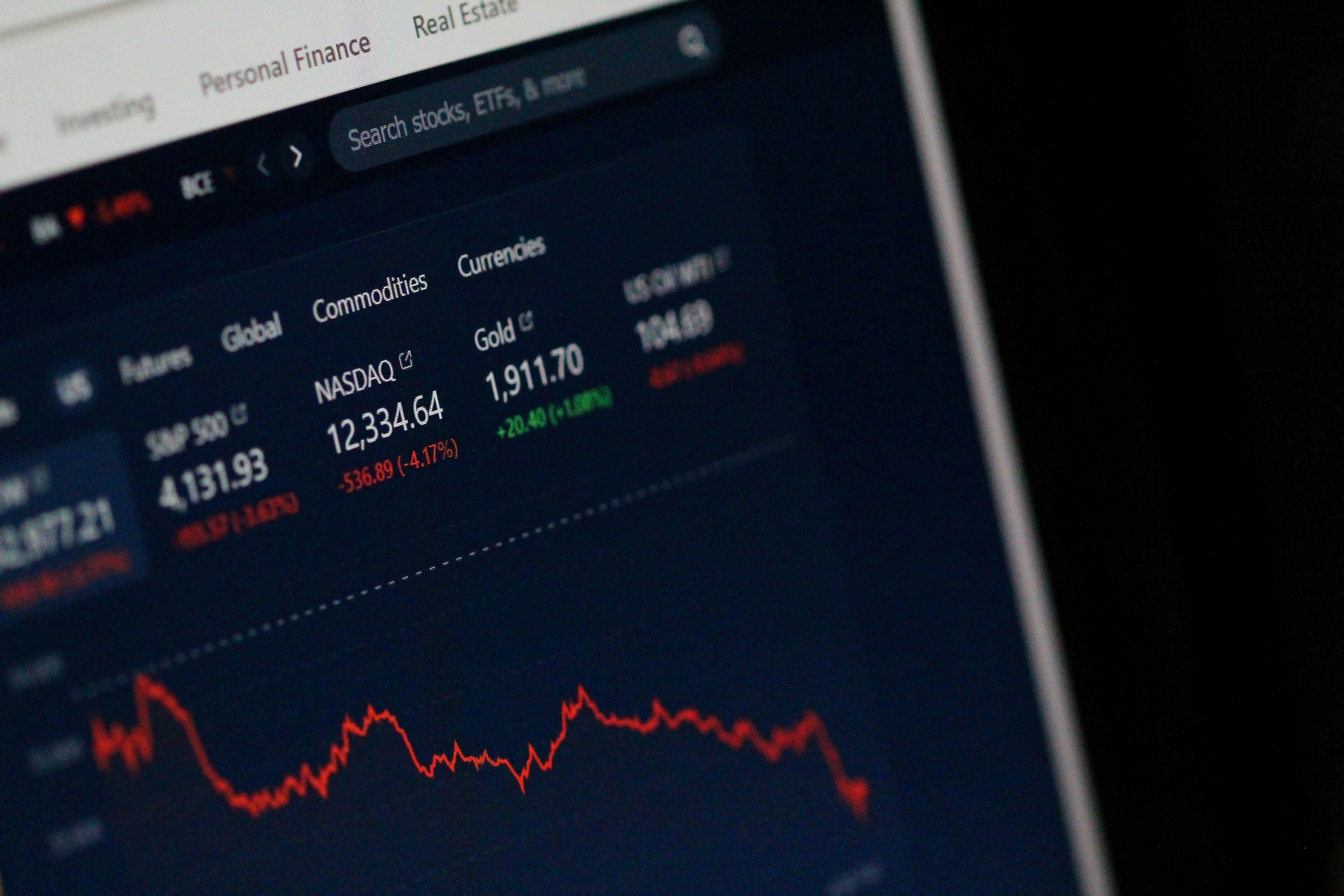
The geopolitical landscape is increasingly volatile, and this uncertainty has a profound effect on investor behavior. As conflicts arise in various regions, investors are prompted to reassess their portfolios, adopting strategies that reflect heightened concerns over risk. Stock markets around the globe have experienced fluctuations, often reflecting immediate reactions to news from conflict zones. For instance, decreases in stock prices are frequently observed in sectors closely tied to affected regions, while defensive sectors may demonstrate stability or even growth.
In times of escalating global tensions, the appeal of safe-haven assets significantly increases. Gold, government bonds, and currencies like the U.S. dollar often see heightened demand as investors seek security during uncertain times. The surge in the price of gold, following geopolitical tensions, exemplifies this trend. Investors prioritize capital preservation and are more likely to pull back from riskier investments such as equities and emerging markets to safeguard their assets against potential losses.
Moreover, investment strategies are adapting in response to changing perceptions of risk. There is a marked shift towards diversification as investors spread their capital across various asset classes to mitigate risk exposure. This trend includes seeking geographical diversification, further insulating portfolios from localized conflicts that may disrupt market stability. Additionally, funds focused on sustainable or ethically responsible investments may gain traction, as investors exhibit a growing preference for aligning their capital with their values.
Overall, the actions of investors in the face of geopolitical conflict reflect a desire for stability amidst uncertainty. As tensions continue to rise, the dynamic nature of global markets demands that investors remain vigilant, continuously assessing both their risk appetite and investment strategies to navigate these challenging conditions effectively.
Supply Chain Disruptions and Economic Fallout
Geopolitical conflicts are increasingly recognized as significant disruptors of global supply chains, leading to substantial economic ramifications across various industries. Conflicts can instigate supply chain disruptions by limiting the movement of goods, increasing transportation costs, or even halting production altogether in affected regions. Industries that are particularly sensitive to these disruptions include energy, agriculture, and manufacturing.
For instance, the ongoing tensions in regions rich in natural resources can have immediate effects on energy supply chains. Conflicts in the Middle East or Eastern Europe often lead to fluctuating oil prices due to fears of supply interruptions. A prominent example is the conflict in Ukraine, which has significantly impacted natural gas supplies not just to Europe but globally. This volatility affects energy prices and can subsequently influence inflation rates across various economies.
Agricultural supply chains are similarly vulnerable. Conflicts can disrupt planting and harvesting schedules, particularly when fertile agricultural regions become battlegrounds. The ongoing conflict in regions like the Horn of Africa has resulted in diminished agricultural outputs and, correspondingly, food shortages. This escalation creates a ripple effect, driving up food prices worldwide and straining the economies of nations reliant on imports.
Manufacturing industries also face hurdles as geopolitical tensions can lead to restrictions on the movement of raw materials. For example, the trade disputes between major economies can create bottlenecks, forcing manufacturers to seek alternative suppliers, which can be more expensive and less reliable. These disruptions can result in delayed product launches or increased production costs, ultimately affecting the bottom line of many businesses.
In summary, supply chain disruptions caused by geopolitical conflicts have wide-ranging effects across different industries, underlining the interconnectedness of global economies and the fragility of supply networks in a volatile world.
Government Responses and Economic Policies
In the face of escalating conflicts around the world, governments are compelled to adopt a variety of responses aimed at stabilizing their domestic economies and mitigating the broader impact on global markets. These measures often encompass sanctions, revisions to trade agreements, and, in some instances, military interventions. Each of these strategies has consequential effects not only for the nations involved but also for international economic dynamics.
Sanctions remain a primary tool utilized by governments to exert pressure on conflicting parties without direct military engagement. By restricting trade, financial transactions, and other economic activities, sanctions aim to undermine the economic foundation of a conflict-driven state. However, the efficacy of sanctions is often debated. While they may inhibit specific industries or sectors, unintended consequences can harm civilian populations and exacerbate existing humanitarian crises.
Trade agreements also play a significant role in shaping government responses during conflict. Countries may seek to diversify their trade partnerships or impose tariffs on nations deemed responsible for unrest. Such actions can lead to economic isolation for the offending state but can also spur retaliatory measures, culminating in a trade war that diminishes global trade volumes. Policymakers must carefully navigate these agreements to ensure they bolster domestic stability without igniting further international tensions.
In some cases, military interventions are considered as a last resort when diplomatic measures prove ineffective. While such actions may provide short-term stabilization in a region, the long-term economic implications can be severe, including reconstruction costs and the potential for ensuing conflicts. Historical precedents show that military involvement often leads to a complex legacy of economic disruptions that require years to untangle.
Ultimately, the responses of governments to conflicts are multi-faceted and laden with repercussions for global markets. As crises unfold, continuous assessment of these policies is critical to ensuring they not only address immediate threats but also contribute to sustainable economic recovery.
The Role of International Organizations
International organizations play a crucial role in managing the economic uncertainties that arise from conflict zones. Institutions such as the United Nations (UN) and the World Trade Organization (WTO) are at the forefront of mediating conflicts and creating frameworks that foster stability in affected regions. These organizations are equipped with the authority and diplomatic channels necessary to broker peace agreements and facilitate negotiations between conflicting parties.
The UN, for instance, not only addresses immediate humanitarian concerns but also establishes long-term strategies aimed at rebuilding war-torn economies. Through various programs, the UN promotes peacekeeping missions and economic development initiatives, ensuring that affected regions can recover and thrive post-conflict. Similarly, the WTO contributes by advocating for free trade initiatives that can significantly enhance economic stability, helping nations affected by turmoil to reintegrate into the global market.
Furthermore, international organizations are instrumental in providing technical assistance and financial resources to nations grappling with the fallout from conflicts. Through multilateral funding mechanisms, they offer support to rebuild infrastructures, restore governance, and strengthen institutions that are essential for enduring peace and economic viability. Collaborations with regional organizations also help tailor responses to the specific needs of conflict-affected communities, promoting local ownership and sustained peace.
Moreover, these organizations monitor global trade patterns and economic conditions, using data to inform their strategies and interventions. By analyzing economic indicators, the WTO and other bodies can predict potential instability and address issues preemptively, mitigating the impacts of conflict-driven economic uncertainty. The proactive engagement of international organizations in these capacities not only aids in resolving immediate crises but also sets the stage for sustained economic health in conflict regions.
Case Studies of Historical Conflicts and Economic Impact
Conflicts throughout history have consistently shown that their effects extend far beyond the immediate turmoil, leading to significant long-term economic consequences. A prominent example is the Gulf War (1990-1991), which directly impacted global oil prices. The conflict triggered uncertainties impacting oil supply from the region, leading to soaring prices and contributing to a global recession. The aftermath also saw massive defense expenditures and reconstruction costs, which burdened the economies of involved nations, particularly in the Middle East.
Another significant example is the Yugoslav Wars (1991-2001). The dissolution of Yugoslavia led to violent conflicts, severely affecting economic stability in the Balkans. Infrastructure destruction, coupled with the loss of human capital due to displacement and casualties, stunted economic growth in the region for decades. The wars resulted in international sanctions, which further isolated the economies involved and led to hyperinflation in areas like Serbia. The scars of these conflicts are still seen today, as economic recovery has been slow and challenging.
In more recent history, the Syrian Civil War has been a profound case of conflict-driven economic disruption. The war has resulted in catastrophic human losses and a sharp decline in economic activity. Before the war, Syria had a diverse economy with prospects for growth; however, the continued conflict has led to the destruction of infrastructure, loss of productive workforce, and substantial disruptions in trade. This situation has created a humanitarian crisis and pushed millions into poverty, illustrating how modern conflicts can induce severe economic ramifications.
Through these historical case studies, it becomes clear that the impacts of conflict are far-reaching. The lessons drawn from these instances highlight the importance of international cooperation and conflict resolution strategies to mitigate the negative economic repercussions that arise from such crises.
Future Trends in Global Economies Related to Conflicts
The landscape of global economies is in a state of constant evolution, particularly in contexts influenced by ongoing and emerging conflicts. As tensions escalate in various regions, economic uncertainty tends to increase, which can lead to significant shifts in market dynamics. One observable trend is the rise of nationalism, which often reinforces protectionist policies. Countries facing internal or external conflicts are more likely to prioritize domestic markets and industries over international trade, leading to potential isolation from global economic trends.
Moreover, the implications of resource availability are paramount in conflict-affected areas. Regions rich in natural resources often attract foreign attention but could face disrupted trade routes and investments due to instability. As conflicts arise over resource control, global economies may witness significant price fluctuations in commodities, contributing to wider inflationary pressures in the market. Entities engaged in resource extraction may also reconsider their involvement in volatile regions, prompting shifts in supply chains that could affect economies worldwide.
The changing power dynamics further compound these complexities. As nations navigate alliances and rivalries, the balance of economic power shifts, reshaping trade relationships. Emerging economies, particularly those in conflict zones, may leverage their geopolitical importance to enhance their standing in global negotiations. As a result, there is an anticipation of new economic partnerships and realignments, which could redefine existing trade patterns. Furthermore, technological advancements could play a role in mitigating some adverse impacts of conflict by facilitating more robust financial systems and enhanced communication.
Ultimately, the interwoven nature of global economies and conflict emphasizes the need for stakeholders to remain vigilant and adaptable. As conflicts shape economic landscapes, forecasting potential outcomes will be essential for businesses and policymakers aiming to navigate this turbulent terrain effectively.
Conclusion and Call to Action
In summary, the intricate connection between conflict zones and global economic uncertainty is crucial for understanding the dynamics of today’s markets. As we examined various conflict regions and their immediate and far-reaching effects on different sectors, it becomes evident that instability often leads to economic volatility. This volatility can trigger fluctuations in trade relationships, investment strategies, and even consumer behaviors, which ultimately influence the overall financial landscape.
The economic repercussions of conflicts are not confined to the nations directly involved; they resonate throughout global markets, prompting changes that affect every individual and business. Therefore, it is essential for stakeholders, whether they be investors, policymakers, or everyday consumers, to remain informed about these developments. By doing so, they can better navigate the complexities of the market influenced by geopolitical tensions.
To build resilience in the face of economic uncertainty, it is advisable to consider a diversified approach to investment and resource allocation. Additionally, staying updated with credible sources of news regarding conflict zones can provide valuable insights into potential market shifts. Individuals and businesses should assess their financial strategies with these global dynamics in mind, fostering adaptability and informed decision-making.
Engaging in discussions about geopolitical events and their economic implications can further augment understanding and preparedness. As global interconnectedness continues to evolve, awareness and proactive involvement become increasingly important. We encourage you to reflect on how these external factors may impact your financial portfolio and life’s ambitions, enabling more prudent and strategic planning.