Introduction to Current Economic Climate
The current economic climate is characterized by a resurgence of inflation, a phenomenon that has significant implications for various sectors, particularly in relation to fuel prices. According to recent data from government economic indicators, inflation rates have been on the rise, prompting concerns among consumers and policymakers alike. Key indicators reveal that year-over-year price increases have outpaced wage growth, leading to diminished purchasing power for households.
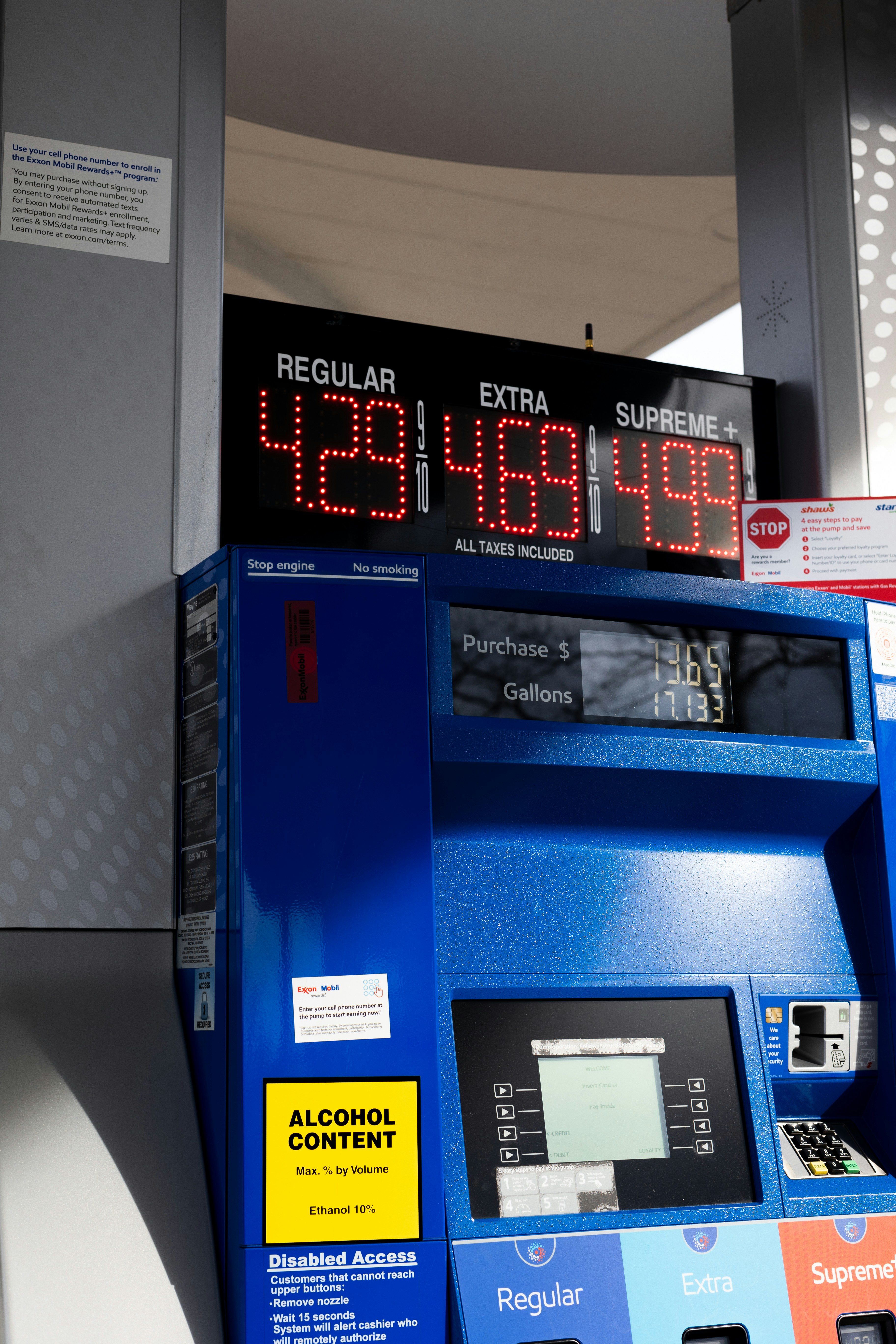
One of the most notable areas affected by this inflation resurgence is the fuel sector, where prices at the pump have climbed steadily. Factors contributing to this increase include supply chain disruptions, geopolitical tensions, and fluctuations in crude oil prices. The situation has been exacerbated by a global recovery from the pandemic, which has caused heightened demand coupled with constrained supply. These market dynamics illustrate how inflation reignited has put upward pressure on fuel costs, which in turn affects transportation and logistics across industries.
In addition to fuel prices, rising inflation has a cascading effect on other goods and services, leading to cost increases for everyday necessities. Consumers find themselves grappling with higher prices not just at the pump, but also in grocery stores and other retail outlets. As a result, the overall cost of living has surged, prompting discussions about potential corrective measures that governments might adopt to mitigate these impacts. Understanding the current economic climate is crucial, as it shapes consumer behavior and influences future economic policies designed to address these inflationary trends.
Understanding Inflation and Its Causes
Inflation is an economic phenomenon that refers to the general increase in prices of goods and services over time. It is often measured by the Consumer Price Index (CPI) or the Producer Price Index (PPI). Several factors contribute to inflation, making it a multifaceted concept that can significantly impact consumer costs and overall economic health.
One of the primary causes of inflation is supply chain disruptions. These disruptions can arise from natural disasters, geopolitical conflicts, or global pandemics, which hinder the production and distribution of goods. When supply chains are interrupted, the availability of products decreases, leading to higher prices. This effect is particularly evident in markets such as fuel, where any disruption can result in immediate price hikes, contributing to the overall narrative of “inflation reignited: fuel prices climb amid rising tensions.”
Another significant factor influencing inflation is monetary policy. Central banks, such as the Federal Reserve in the United States, play a crucial role in managing inflation through interest rate adjustments and other monetary tools. When interest rates are low, borrowing increases, stimulating spending and investment but potentially leading to inflationary pressures. Conversely, high-interest rates can dampen economic growth but help to keep inflation in check. The delicate balance that central banks must maintain impacts consumers directly, as fluctuations in fuel prices can stem from changes in economic policy.
Moreover, global economic factors, such as exchange rates and international trade dynamics, also interact with domestic conditions to shape inflationary trends. As global tensions rise, for instance, there may be increased volatility in commodity prices, including fuel. This interplay among various causes underscores the complexity of inflation and its direct correlation with rising consumer costs.
Impact of Global Conflicts on Fuel Prices
In recent years, geopolitical conflicts have significantly influenced global oil markets, contributing to fluctuations in fuel prices. When tensions arise in energy-rich regions, the potential for supply disruptions creates anxieties among investors and consumers alike, leading to immediate changes in fuel costs. Various conflicts serve as prime examples of this correlation between geopolitics and fuel prices.
A notable instance is the ongoing tensions in the Middle East, particularly the prolonged conflicts involving major oil-producing nations. For example, the civil war in Yemen, coupled with the disputes surrounding Iran’s nuclear program, has led to fears of escalated military confrontations, which can directly threaten oil supply routes. As news of such conflicts breaks, international oil prices have shown a propensity to spike, resulting in inflation reignited: fuel prices climb amid rising tensions.
Moreover, Russia’s actions in Ukraine have had repercussions on the European energy landscape, further affecting fuel prices across the globe. Sanctions against Russian oil exports, in response to the conflict, have created a ripple effect throughout the global market. With Europe seeking alternatives to Russian oil, the increased demand on other suppliers has caused prices to surge, thereby impacting consumers who feel the pressure at the pump.
Furthermore, natural disasters, though not conflicts in the traditional sense, can also exacerbate tensions and affect fuel prices. For instance, hurricanes that disrupt oil production in the Gulf of Mexico often lead to significant price surges, illustrating how interconnected fuel supplies are to both natural and geopolitical events.
In conclusion, the intricacies of global conflicts and their impact on fuel supply cannot be overlooked. As we continue to navigate a world fraught with tension, the relationship between geopolitical events and fuel prices remains vital to understanding the broader economic landscape.
Government Responses to Inflation
As inflation has reignited across various economies, particularly marked by fuel prices climbing amid rising tensions, governments and central banks have initiated a series of measures to counteract this economic phenomenon. One of the primary strategies employed is the adjustment of interest rates. Central banks, which are tasked with maintaining price stability, have been adjusting benchmark interest rates in an effort to cool off inflationary pressures. By increasing borrowing costs, they aim to reduce consumer spending and investment, which are critical drivers of inflation.
In addition to interest rate adjustments, fiscal policies are also being implemented as a response to the inflation sparked by escalating fuel prices. Governments may choose to increase public spending on infrastructure projects or provide direct financial aid to consumers affected by rising costs. Such measures can stimulate economic activity and provide relief to households, although the challenge lies in ensuring that these efforts do not further exacerbate inflation. Careful planning and execution are required so that the fiscal stimulus has a stabilizing effect rather than contributing to inflation.
The efficacy of these approaches to managing inflation is a matter of ongoing debate among economists. While higher interest rates can dampen inflation, they may also lead to slower economic growth, which is a significant consideration for policymakers. Similarly, fiscal interventions can provide immediate relief but may lead to increased national debt if not managed wisely. As tensions continue to rise globally, the interplay between inflation, fuel prices, and governmental responses remains a critical area of scrutiny, requiring adaptive strategies to effectively mitigate challenges while fostering economic resilience.
Effects on Consumers and Businesses
As inflation reignited: fuel prices climb amid rising tensions, the consequences for both consumers and businesses become increasingly pronounced. Rising fuel prices have a direct impact on the cost of living, leading to increased expenses across various sectors. Households, in particular, are feeling the pinch as transportation and energy costs escalate, further straining budgets that were already under pressure from previous economic fluctuations.
In response to higher fuel prices, consumers often adjust their behavior. There may be a shift towards more economical modes of transportation, such as public transit or carpooling, as individuals seek to mitigate the financial burden. Additionally, the consumption of goods and services may decline as consumers prioritize essential purchases over discretionary spending. This behavioral shift poses challenges for businesses that rely on robust consumer spending.
On the business side, companies are also feeling the repercussions of inflated operational costs driven by climbing fuel prices. To cope with these changes, many businesses are forced to reassess their strategies. This may involve optimizing supply chains to reduce transportation costs or passing on higher expenses to consumers through increased pricing. In highly competitive markets, striking a balance between maintaining customer loyalty and ensuring profitability becomes a complex endeavor.
Moreover, industries such as logistics, transportation, and manufacturing, which are heavily reliant on fuel, are particularly vulnerable. Some businesses may invest in technology to improve energy efficiency or explore alternative fuel sources to lessen their dependency on traditional fuel. These adaptations not only help in controlling costs but also align with growing sustainability initiatives aimed at reducing carbon footprints.
Overall, the scenario painted by inflation reignited: fuel prices climb amid rising tensions presents a multifaceted challenge that requires strategic responses from both consumers and businesses alike. The ongoing nature of these economic factors suggests that observers and stakeholders must remain vigilant and adaptable in navigating this complex landscape.
Regional Differences in Fuel Pricing
Fuel prices exhibit considerable variation across different regions, a phenomenon influenced by a complex interplay of local factors. One primary contributor to these disparities is local regulations and taxes that vary significantly from one area to another. For instance, some states may have higher excise taxes on fuel, which in turn elevates the pump prices for consumers. In contrast, regions with minimal fuel taxation often offer lower prices, making them more attractive for local consumers and businesses.
Transportation costs also play a crucial role in shaping fuel pricing on a regional scale. Areas more distant from refineries or transportation hubs typically incur higher logistical expenses, ultimately reflected in the higher prices at fuel stations. Conversely, regions that are centrally located or have efficient supply chains experience lower transportation costs, leading to more competitive fuel prices.
Additionally, access to alternative energy sources can influence traditional fuel pricing. Regions with robust infrastructure for renewable energy, such as solar or wind, may see diminished demand for fossil fuels, leading to lower prices. Industries in these areas may capitalize on alternative energy options, thereby easing the pressure on fuel prices and providing consumers with more variety in how they choose to power their vehicles.
The interplay of these factors contributes to the broader narrative of inflation reignited: fuel prices climb amid rising tensions. As global events continue to influence the dynamics of supply and demand, it is vital for consumers to understand the local factors that affect their fuel pricing directly. Awareness of these disparities can empower individuals and businesses alike, helping them navigate the challenging landscape of rising fuel prices.
Future Projections for Fuel Prices
The current economic landscape has become increasingly complex, presenting numerous challenges for fuel price stability. As inflation reignited: fuel prices climb amid rising tensions globally, experts are keen to analyze upcoming trends to determine how these prices may evolve. A variety of factors will play a pivotal role in influencing fuel costs over the coming months.
Seasonal demand fluctuations are a primary consideration when forecasting fuel prices. As winter approaches, demand for heating oil typically rises, which can exert upward pressure on fuel prices. This increase may become more pronounced if geopolitical tensions remain unresolved, affecting supply chains and production rates. The dynamics of supply and demand are, therefore, likely to drive prices higher unless mitigated by a surge in alternative energy sources or significant shifts in consumer behavior.
Furthermore, anticipated legislative changes aimed at addressing climate change and energy independence could reshape the fuel market. Regulatory measures designed to curb carbon emissions may incentivize a shift toward cleaner energy but could also impact fossil fuel pricing structures. Such regulations might create a degree of volatility in the short term, as both consumers and producers adjust to emerging policies.
Additionally, ongoing developments in global relations, particularly involving oil-producing nations, must be considered. Fluctuating production quotas and geopolitical instability can greatly affect supply chains, leading to sharper price increases. As fuel prices have climbed amid rising tensions, the global market remains highly susceptible to these disruptions.
In summary, while predicting future fuel prices involves considerable uncertainty, careful consideration of seasonal trends, legislative actions, and geopolitical factors will be essential for stakeholders navigating this volatile landscape.
Alternative Energy Solutions to Combat Inflation
The persistence of inflation reignited: fuel prices climb amid rising tensions has prompted discussions about alternative energy solutions that can help mitigate the impact of soaring fuel prices. As global tensions can lead to volatility in traditional energy supplies, it becomes increasingly necessary to explore renewable energy options that provide a more stable and affordable energy future. Solar, wind, and hydroelectric power are gaining traction as viable alternatives, thanks to their sustainability and potential for long-term cost savings.
Governments worldwide are responding to these challenges by implementing various incentives and subsidies aimed at promoting the adoption of alternative energy solutions. These incentives often include tax credits, rebates, and grants for homeowners and businesses investing in renewable energy technologies. Such measures not only support the transition towards greener energy but also play a crucial role in alleviating the effects of fuel price hikes attributable to inflation. Encouraging the shift to renewables can also stimulate job creation in sectors related to the development and maintenance of clean energy technologies.
Technological advancements are critical in reshaping energy consumption and driving down costs. Storage technologies, such as batteries, are continuously improving, allowing for better integration of renewable energy into the existing grid. Smart grid technology also plays a part by optimizing energy distribution, thereby enhancing efficiency and reducing wastage. Furthermore, innovations in electric vehicles (EVs) are creating a demand for cleaner energy sources, which may lead to reduced reliance on fossil fuels, ultimately contributing to lower fuel prices amid ongoing inflationary pressures.
Conclusion: Navigating the Path Ahead
The recent phenomena of inflation reignited: fuel prices climb amid rising tensions has illuminated the intricate relationship between global economics and local markets. Understanding these dynamics is crucial as they significantly affect consumer behavior, investment decisions, and overall economic stability.
Throughout our discussion, we have explored the multiple factors contributing to the resurgence of inflation. Geopolitical tensions and their subsequent impacts on supply chains have led to increased fuel costs, which serve as a pivotal indicator of broader economic conditions. The current environment necessitates a keen awareness of these elements, prompting consumers and investors alike to reassess their strategies in response to fluctuating fuel prices.
As individuals and businesses navigate this complex economic landscape, it becomes essential to adapt to changing conditions. While the challenges posed by climbing fuel prices and inflation can be daunting, there are potential pathways to mitigate their impact. Emphasizing energy efficiency and exploring alternative energy sources may help lessen dependency on fuel, thereby cushioning the economic burden during volatile periods. Additionally, fostering adaptive financial strategies that account for rising prices can empower consumers to make informed decisions.
Ultimately, the future of economies worldwide will largely depend on how stakeholders respond to these challenges. Incremental adjustments in consumption habits, investment approaches, and energy policies may pave the way for sustainable practices that buffer against economic shocks. Understanding the intricacies of inflation reignited: fuel prices climb amid rising tensions is not merely an academic exercise; it is a necessary endeavor to forge a resilient path ahead.