Introduction
The relationship between global conflicts and stock market volatility is a critical area of study for investors and analysts alike. Historically, political instability and warfare have been significant determinants in the behavior of financial markets. When geopolitical tensions escalate, uncertainty permeates the investing climate, leading to swift reactions among market participants. In these circumstances, stock prices often decline, as investors flee to safer assets.
Investors respond to global conflicts with heightened caution. Risk aversion becomes a prevalent sentiment, prompting a shift in investment strategies that prioritize capital preservation over aggressive growth. This behavior is rooted in the desire to mitigate potential losses in unpredictable environments. As tensions rise, the inclination to sell off equities in favor of more stable options, such as government bonds or gold, becomes apparent, further contributing to stock price declines.
Additionally, the media plays a significant role in shaping investor perception during conflicts. Headlines reporting on military engagements, sanctions, or diplomatic breakdowns can trigger swift reactions in financial markets. The perception of increased risk can lead to irrational sell-offs, as investors prioritize immediate liquidity over long-term growth prospects. This often leads to disproportionate price movements, as fear drives sentiment more than fundamentals.
Moreover, the effects of war and conflict on global economies can differ based on the context. For instance, regions directly involved may experience more pronounced declines in stock prices, while other areas may face only indirect consequences. Investor sentiment and market psychology are thus intimately tied to how global conflicts unfold, reinforcing the idea that geopolitical events are pivotal in determining market trajectories.
The Current Situation: Overview of the Rising Conflict
The ongoing geopolitical conflict has escalated significantly in recent months, prompting widespread concerns among investors and analysts alike. The situation began to intensify earlier this year, when a series of border skirmishes broke out, leading to increased military mobilizations by both sides. Key players in this conflict include the government forces of the involved nations, regional stakeholders, and international entities with vested interests in the outcome.
By late spring, various diplomatic efforts to de-escalate tensions were made but ultimately faltered. As hostilities escalated, the international community took notice. Sanctions were imposed on the aggressor nation, while calls for peace talks were more frequent from neighboring countries. Yet, despite these efforts, military engagements persisted, culminating in a significant escalation in the autumn months when airstrikes and ground offensives intensified.
The financial markets reacted sharply to this mounting uncertainty. As the conflict unfolded, stock indices began witnessing marked declines. Investors, fearing prolonged turmoil, have increasingly shifted focus toward safe-haven assets such as gold, government bonds, and currencies such as the US dollar. Market volatility indicates a collective sentiment of anxiety over potential further escalations in the conflict, including the risk of direct involvement from larger powers.
In analyzing the situation, historical patterns suggest that prolonged conflicts often result in heightened market instability. As the situation remains fluid, with both diplomatic resolutions and military actions on the table, the path ahead seems fraught with complexity. Each development warrants close scrutiny, as the implications extend beyond the immediate geographical area, impacting global markets and international relations.
Impact on Global Markets: Analyzing the Recent Stock Slide
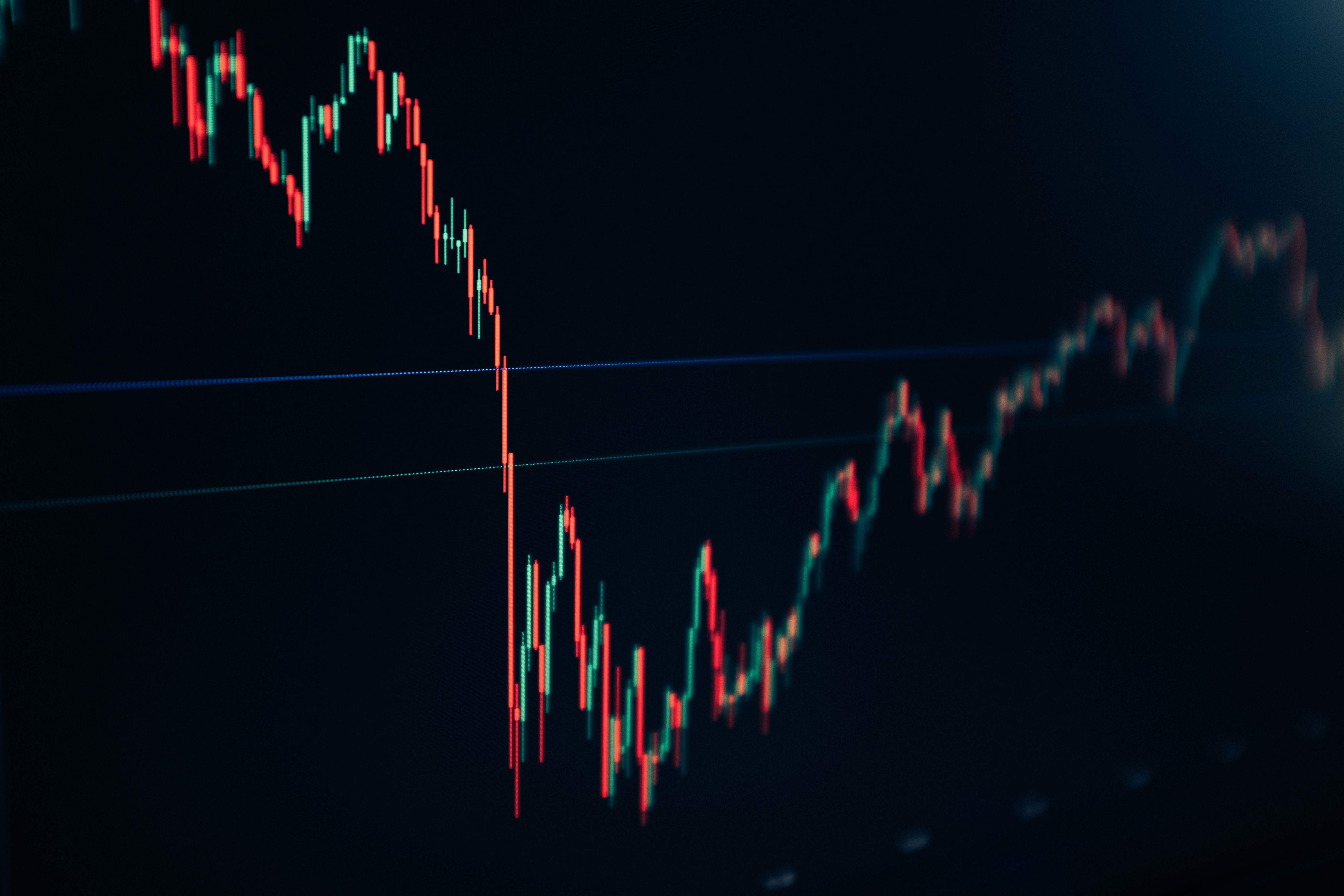
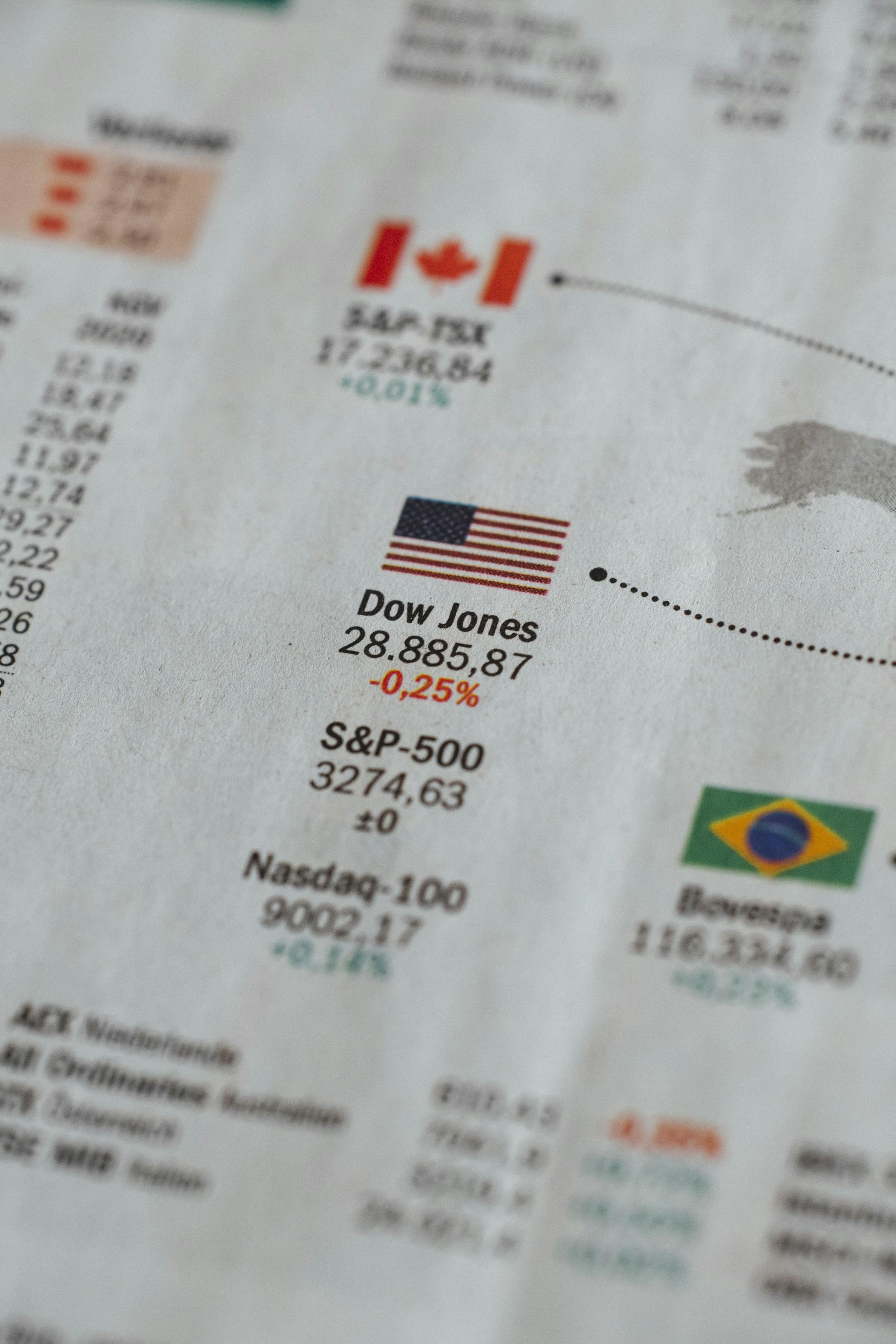
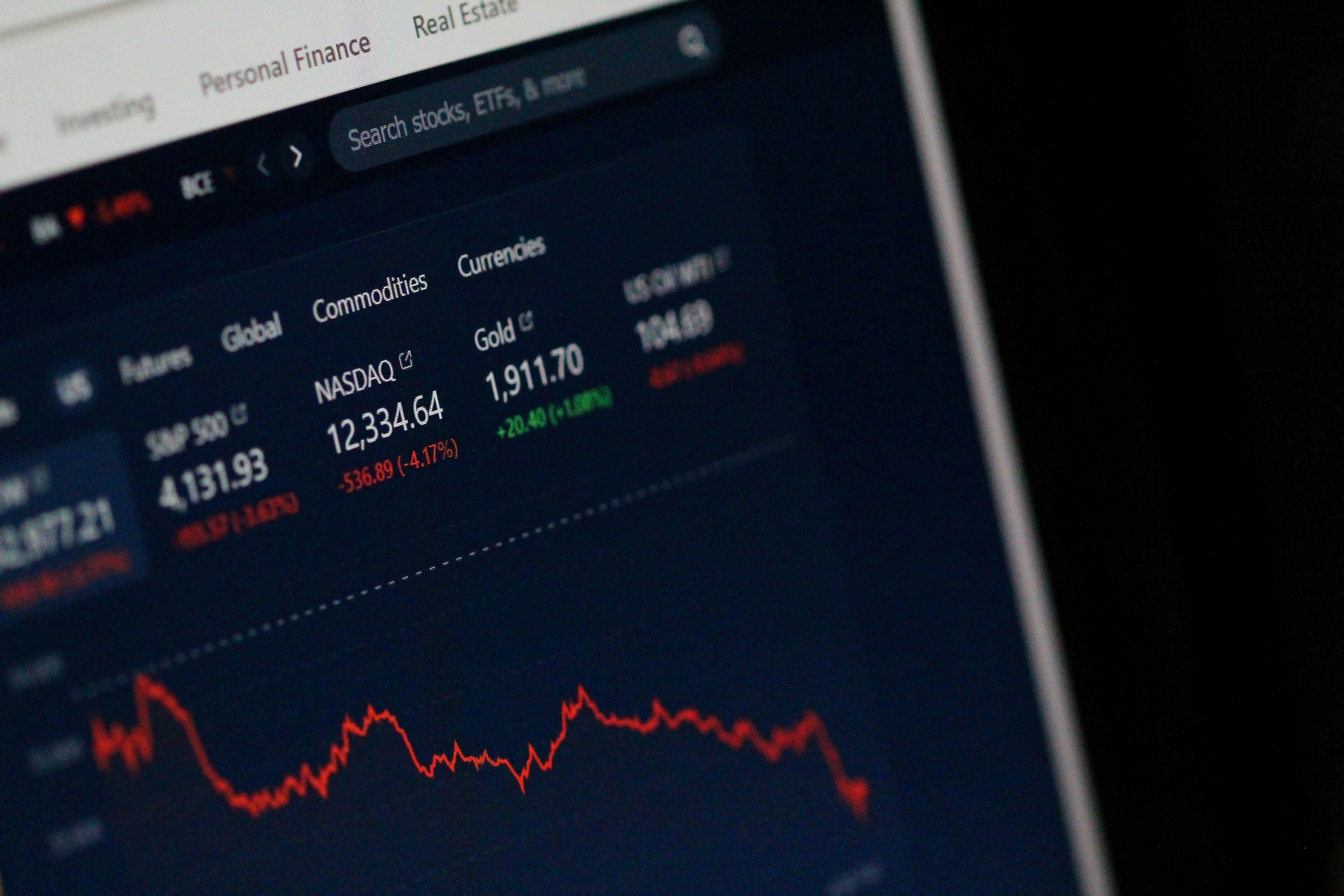
In recent weeks, the escalation of the conflict has sent ripples through the global stock markets, leading to a pronounced downward trend in major indices. The S&P 500, Dow Jones Industrial Average, and NASDAQ have all witnessed notable declines, reflecting investors’ growing concerns over geopolitical tensions. This market reaction is not just a transient wave but indicative of broader economic apprehensions fueled by uncertainties surrounding global stability.
The volatility observed in the stock market can largely be attributed to several factors. First, as conflicts escalate, the potential for economic sanctions, trade disruptions, and diminished consumer confidence looms larger, which can significantly affect not only local markets but also those that are interconnected globally. Recent data has shown that in the wake of this conflict, the S&P 500 index dropped by approximately 5% over a two-week period, a stark reminder of how sensitive markets are to geopolitical events.
Furthermore, sectors such as energy and industrials have experienced marked declines, suffering the most significant impacts due to heightened risk perceptions. Investors tend to move away from stocks associated with volatility, steering towards safe haven investments such as gold and government bonds. Data reveals that amid the declining stock prices, the price of gold surged, indicating a flight to safety in uncertain times. Other sectors, especially those reliant on foreign investments, have also felt the pressure, showcasing a diverse impact across industries.
In conclusion, the recent stock slide reflects a confluence of investor sentiment and geopolitical realities. As the situation continues to evolve, market participants are likely to remain vigilant, monitoring indicators of stability and adjusting their investment strategies accordingly. Understanding these trends is crucial for stakeholders as they navigate the complexities of an increasingly volatile financial landscape.
Safe-Haven Assets: Where Are Investors Turning?
In times of geopolitical turmoil and economic uncertainty, investors typically seek refuge in safe-haven assets. These assets are perceived as lower risk and tend to retain their value, or even appreciate, during periods of market volatility. Commonly recognized safe-haven assets include gold, U.S. Treasury bonds, and various currencies such as the Swiss franc and Japanese yen.
Gold has historically been a preferred choice among investors seeking safety. Its intrinsic value, scarcity, and ability to hedge against inflation make it a go-to option during crises. As military conflicts escalate and fears of economic downturns rise, demand for gold often increases, reflected in rising prices. This precious metal not only acts as a hedge against inflation but also provides a safeguard against currency devaluation, making it particularly attractive for portfolios during tumultuous times.
U.S. Treasury bonds also play a pivotal role in investors’ strategies when uncertainty looms. These government-issued securities are considered one of the safest investments due to their backing by the U.S. government. Investors flock to Treasury bonds during market downturns because they offer predictable returns and are less volatile than stocks. The heightened demand during crises often leads to a decrease in yields on these bonds, which is a clear indicator of investor anxiety towards riskier assets.
Other forms of safe-haven investments include real estate in stable markets and specific money market instruments. Each serves as a counterbalance in an investment strategy. By reallocating funds towards these assets, investors attempt to mitigate risk and ensure their portfolios can withstand fluctuating market conditions while maintaining a level of growth potential.
Historical Context: Past Conflicts and Their Market Impact
The relationship between military conflicts and stock market performance has been a subject of extensive study over the years. Historically, wars and geopolitical tensions have resulted in noticeable volatility in financial markets. For instance, during World War II, American stock markets initially experienced downturns as uncertainty reigned. However, as the war progressed and the U.S. emerged as a global economic powerhouse, markets rebounded significantly, propelled by wartime production and economic mobilization.
Another notable example is the Gulf War in the early 1990s. As tensions escalated with Iraq’s invasion of Kuwait, stock markets around the world reacted with pronounced declines. Investors sought safety in more stable assets, leading to a pronounced flight to quality. However, once military action commenced and the conflict’s outcome became clearer, equities began to recover and even flourish, marking a robust rebound in the subsequent years as economic conditions stabilized.
More recently, the events surrounding the U.S.-China trade tensions and the COVID-19 pandemic have illustrated how uncertainties can sway market performance. In both instances, initial reactions were negative as investors grappled with the unpredictability of these conflicts. Particularly during the early days of the pandemic, market indices witnessed sharp declines as economic forecasts turned bleak.
Drawing parallels to the current situation, where heightened military tensions often precipitate similar stock market responses, it becomes crucial for investors to study past conflicts. Understanding these historical precedents allows them to navigate present challenges more effectively. Investors might consider diversifying their portfolios or investing in traditionally safe assets such as gold or bonds when geopolitical risks escalate, as history suggests that uncertainty breeds volatility in the stock markets.
Investor Psychology: The Fear Factor and Market Sentiment
Investor psychology plays a critical role in financial markets, particularly during periods of crisis such as escalating geopolitical tensions. The impact of fear and uncertainty can trigger panic selling among investors, leading to abrupt declines in stock prices. When news of a conflict or war emerges, market participants often react instinctively, opting to liquidate their holdings in an effort to mitigate perceived risks. This behavior can lead to a self-fulfilling prophecy where declining stock prices amplify investor fears, resulting in even more selling and further market downturns.
At the core of these reactions lies the concept of market sentiment, which refers to the prevailing attitude of investors regarding the overall market or specific securities. Sentiment can swing dramatically based on current events, economic indicators, or geopolitical developments. As fear permeates the market, negative sentiment tends to dominate, overshadowing any positive fundamentals that may exist. This leads to heightened volatility as stocks are sold off irrespective of their intrinsic value due to the overwhelming influence of collective emotions.
The fear factor is further exacerbated by the media’s role in shaping public perception. Sensationalist reporting can amplify anxieties, causing traders to act hastily without thoroughly assessing their investment strategies. As uncertainties grow, many investors may flee toward safer assets, such as bonds or precious metals, in search of stability. This reactive behavior underscores the importance of understanding market psychology, as it can create broad market movements that significantly alter investment landscapes.
In conclusion, navigating the complexities of investor psychology during crises requires a careful examination of market sentiment. The fear factor can drive irrational behavior, leading to significant shifts in investment strategies. Recognizing these patterns is crucial for investors aiming to make informed and prudent decisions in turbulent times.
Strategies for Investors: Navigating Uncertainty
In times of geopolitical conflict, investors often face heightened volatility in financial markets. Therefore, it is crucial to adopt strategies that promote resilience and safeguard investments. One effective method is diversification, which involves spreading investments across various asset classes and sectors. This strategy helps minimize risk since losses in one sector may be offset by gains in another, maintaining overall portfolio stability.
Additionally, allocation to defensive stocks can prove beneficial during turbulent times. Defensive stocks are typically associated with industries that provide essential goods and services, such as utilities, healthcare, and consumer staples. These sectors tend to remain stable or even thrive when economic uncertainty arises, making them attractive for risk-averse investors. By incorporating such stocks into their portfolios, investors can achieve a more stable return even amidst adverse market conditions.
Furthermore, implementing robust risk management techniques is vital in protecting investments. Investors should consider setting stop-loss orders, which automatically sell stocks at a predetermined price to limit potential losses. Maintaining an appropriate level of cash reserves is another prudent practice, allowing investors the flexibility to capitalize on opportunities as they emerge while also providing a buffer during downturns.
Another important practice is to stay informed about global events and market trends. Regularly reviewing and adjusting one’s investment strategy based on current events can significantly enhance one’s ability to respond to geopolitical changes. By remaining proactive and adaptable, investors can navigate uncertainty effectively and align their portfolios with their financial goals over time.
Future Outlook: Predictions for Market Recovery Post-Conflict
The current geopolitical tensions have undoubtedly instigated volatility in the financial markets, prompting a migration towards safer investment alternatives. However, analysts suggest that the eventual resolution of the conflict will likely usher in a period of recovery for equity markets. As the dust settles, investors can expect a reevaluation of risk, which will be critical for market stabilization.
One of the key factors influencing the potential recovery is the implementation of peace initiatives. If diplomatic efforts yield a consensus, investor confidence may gradually be restored. Economic indicators, such as consumer spending and corporate earnings, will serve as barometers for market conditions following the tensions. Analysts are particularly focused on sectors that have historically rebounded post-conflict, including consumer discretionary and industrials.
Moreover, central banks’ monetary policies will play a pivotal role in the financial landscape, especially in terms of interest rates and liquidity conditions. Analysts predict that a stabilization in geopolitical conflicts may prompt central banks to adjust their strategies, potentially easing rates to stimulate economic growth. Key indicators for investors to monitor include inflation rates, employment levels, and consumer confidence indices, which collectively reflect the economy’s resilience.
In essence, while the path to recovery will inevitably encounter challenges, there is a prevailing sentiment that market resilience will prevail in the long term. Price corrections seen during wartime are often temporary, and history suggests a robust rebound is feasible once stability is achieved. Consequently, prudent investors should remain observant of geopolitical developments and economic data to discern optimal entry points into the market as conditions improve.
Conclusion: Making Sense of Market Dynamics in Turbulent Times
The recent slide in stock markets, prompted by escalating geopolitical tensions, illustrates the profound impact that such events can have on investor sentiment and broader market dynamics. As conflict unfolds, many investors gravitate towards safe havens—assets historically deemed lower risk—such as government bonds, gold, and other tangible resources. This shift underscores the critical relationship between geopolitical stability and market performance.
Understanding the factors that drive market fluctuations during times of uncertainty is crucial. Active monitoring of news developments, economic indicators, and global responses helps in preparing adequately for potential market shifts. For instance, despite volatility, periods of war and instability can also present unique investment opportunities for those with a strategic outlook. Knowledgeable investors often analyze these dynamics to ascertain when to allocate funds towards riskier stocks or diversified portfolios.
Moreover, maintaining a disciplined investment strategy is vital during turbulent times. It is advisable for investors to remain focused on long-term goals rather than succumbing to the emotional influences of daily market news. Historical data shows that markets tend to recover post-crisis, reinforcing the significance of a measured approach. Engaging with financial advisors and tapping into reliable analytical resources can further enhance decision-making during such unstable periods.
In conclusion, the interplay between geopolitical developments and market performance is intricate and often unpredictable. By staying informed and adopting a strategic approach, investors can better navigate the challenges of dynamic market conditions. The capability to evaluate risks while identifying potential gains is essential in fostering resilience and long-term success in adapting to ever-changing economic landscapes.