Introduction to Energy Sources
Energy is a crucial element that powers our daily lives, driven by diverse sources that have evolved throughout history. Broadly divided into two categories, energy sources are classified as renewable and non-renewable. Renewable energy sources, such as solar, wind, and hydroelectric power, harness natural processes that are replenished over time, thus promising sustainability. Conversely, non-renewable energy sources, including fossil fuels like coal, natural gas, and oil, are finite and take millions of years to form, raising concerns about their long-term viability.
The significance of these energy sources becomes increasingly pertinent in discussions about global energy security, climate change, and technological advancement. Fossil fuels, especially oil, have played a dominant role in the global economy, serving as a primary energy source for transportation, heating, and electricity generation. In many regions, oil’s accessibility and high energy density have made it an attractive option for meeting energy demands. However, the greenhouse gas emissions associated with oil extraction and combustion contribute to climate change, prompting a shift in focus toward cleaner alternatives.
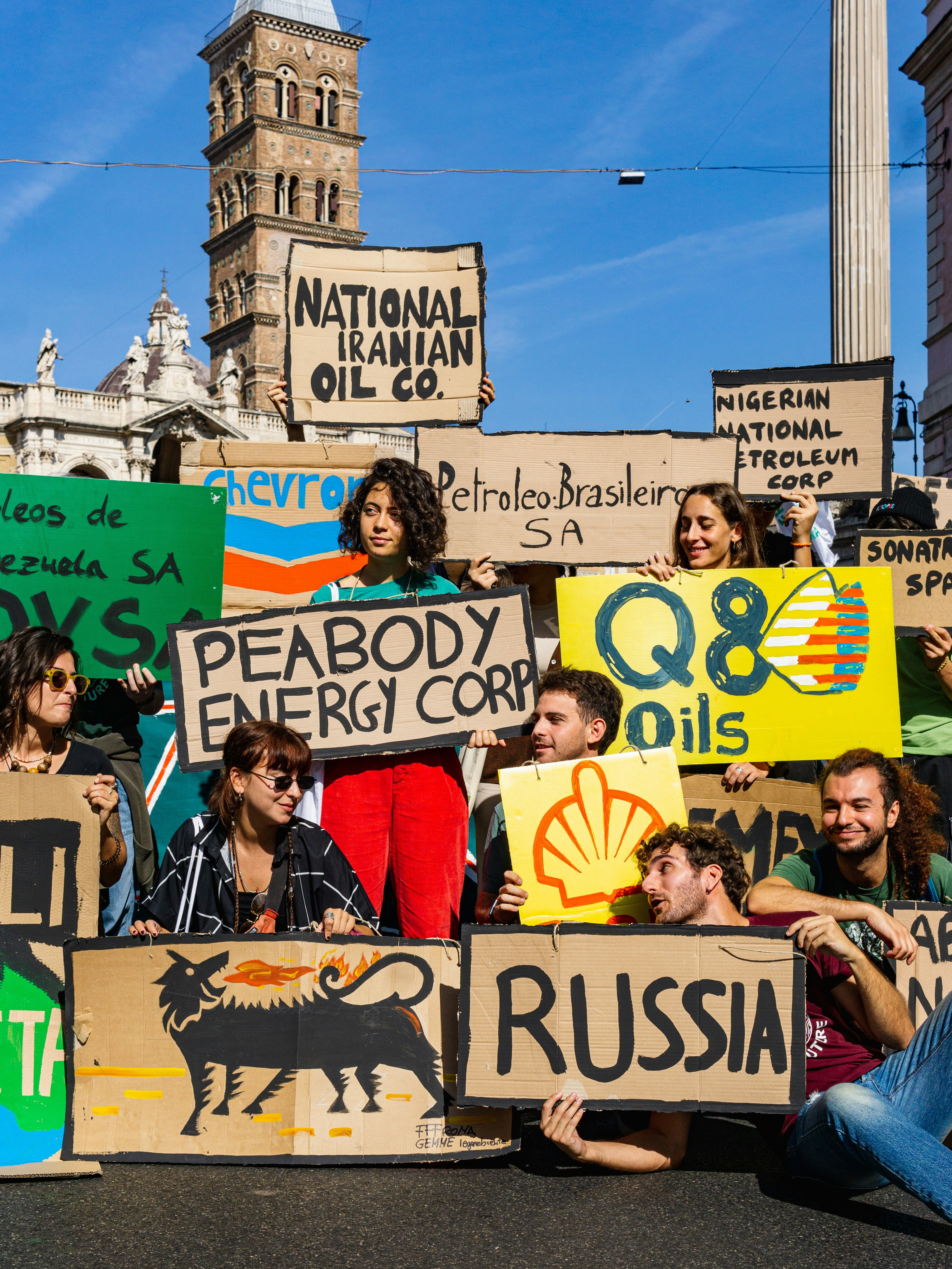
With the growing concerns surrounding the environmental impact of oil and other fossil fuels, there is an accelerated push for the adoption of renewable energy technologies. The tension between continuing reliance on oil and the urgent need to curb carbon emissions forms the backbone of today’s energy discourse. As nations strive to balance economic growth, energy independence, and environmental sustainability, the future of oil within the energy landscape is increasingly scrutinized.
This discussion sets the stage for exploring the intricate role of oil in a rapidly transforming energy landscape, navigating the interplay between fossil fuels and renewable energy sources in shaping the future of energy consumption.
Historical Context of Oil Production
The history of oil production is a fascinating narrative that dates back to the 19th century. The significance of oil as an energy source began with its discovery, particularly with Edwin Drake’s successful drilling of the first commercial oil well in Pennsylvania in 1859. This event marked the inception of the oil industry, leading to a surge in oil exploration and production. Initially, oil was primarily used for lighting lamps, but it quickly evolved into a versatile energy source, powering industrial machinery and transportation.
Throughout the 20th century, the demand for oil escalated dramatically, driven by the growth of automobiles and airplanes. This period saw the establishment of major oil companies and significant investments in oil exploration technologies. The discovery of vast oil reserves in regions such as the Middle East and Texas contributed to the global dominance of oil as an energy source. The geopolitical landscape began to shift in response to oil wealth, with countries investing heavily in their oil industries to bolster their economies.
Technological advancements also played a critical role in oil production. Innovations such as seismic exploration and enhanced oil recovery methods allowed for the tapping of previously inaccessible reserves. By the mid-20th century, oil had become foundational for the energy needs of most industrialized nations, stimulating extensive infrastructure development and shaping international relationships.
The economic impact of oil was profound, fostering growth in various sectors, including manufacturing, logistics, and finance. However, the reliance on oil also sparked environmental concerns, leading to discussions about sustainability and the need for alternative energy sources. As we reflect on the historical trajectory of oil production, it becomes evident that this remarkable resource has profoundly influenced global dynamics and continues to do so in a rapidly changing energy landscape.
Current Global Oil Market Trends
The global oil market has been experiencing considerable fluctuations driven by various factors, including geopolitical tensions, economic changes, and evolving energy policies. One of the most significant trends is the volatile nature of oil prices, which have seen substantial highs and lows in recent years. Price fluctuations are largely influenced by the supply-demand dynamic, which can shift rapidly due to events such as natural disasters, international conflicts, and OPEC production agreements.
As of late 2023, major oil-producing countries, particularly those in the Middle East, continue to play a crucial role in shaping the oil market landscape. Nations like Saudi Arabia and Russia are key players, often collaborating within the framework of OPEC+ to regulate output levels and stabilize prices. These alliances are essential in a market where overproduction can lead to price crashes, which in turn affect many economies globally that rely heavily on oil exports.
Geopolitical events, particularly those stemming from tensions in oil-rich regions, also significantly impact the oil market. For example, sanctions on countries such as Iran or instability in Venezuela can disrupt oil supply chains, thereby driving prices up. Furthermore, the rise of renewable energy sources and shifting consumer preferences towards sustainability mean that the demand for oil is undergoing transformation. While fossil fuels remain a dominant energy source, it is evident that the transition to alternative energy is gaining momentum, influencing oil demand patterns worldwide.
Market analysts predict that while oil will remain a pivotal energy resource in the near term, its role may diminish as global energy consumption takes on new forms. In this regard, stakeholders in the oil industry must stay vigilant about market trends and adapt to the changing landscape to sustain their relevance in a world that increasingly values diversified energy solutions.
Environmental Impact of Oil Extraction and Usage
The extraction and consumption of oil are accompanied by significant environmental consequences that cannot be overlooked. Oil spills, air pollution, and water contamination often arise from the processes involved in drilling and transportation. These incidents not only devastate local ecosystems but also pose long-term risks to wildlife and human health.
Oil spills, such as the notorious Exxon Valdez disaster, illustrate the profound impact that a single accident can have. Such spills contaminate marine environments, leading to the death of thousands of marine species, disrupting local fisheries, and causing economic hardships for communities that depend on fishing. Moreover, the restoration of affected areas may require decades, sending ripples of ecological disturbance through interconnected systems.
Air pollution is another serious concern related to oil consumption and extraction. The burning of fossil fuels releases a variety of harmful emissions, including carbon dioxide and methane, which are major contributors to climate change. Additionally, volatile organic compounds (VOCs) from oil facilities lead to smog formation, negatively affecting air quality and public health. The carbon footprint associated with oil use necessitates urgent discussion regarding energy alternatives and mitigation strategies.
Water pollution is an unavoidable outcome in many oil extraction processes. The discharge of wastewater into waterways, often laden with toxic chemicals, results in the contamination of drinking water sources. This poses risks not only to aquatic life but also to human populations relying on these water supplies for their daily needs.
In light of these environmental impacts, the oil industry must adopt sustainable practices that prioritize ecological preservation. Transitioning to cleaner energy sources, improving extraction technologies to minimize spills, and implementing stricter regulations can significantly reduce the negative consequences of oil usage. Addressing these challenges is essential for developing a more sustainable energy future that balances economic needs with environmental integrity.
The Transition to Renewable Energy
The transition from oil to renewable energy sources is gaining unprecedented momentum as the world grapples with the realities of climate change and the finite nature of fossil fuels. This shift is not merely a trend; rather, it is fueled by multiple, interrelated motivations that underscore the necessity for change.
Climate change concerns are at the forefront of this transition. The burning of oil and other fossil fuels releases significant amounts of greenhouse gases, which contribute to global warming. As evidence mounts regarding the detrimental impacts of climate change on ecosystems and human health, governments and organizations are increasingly urged to seek alternatives. Renewable energy sources, such as solar, wind, and hydroelectric power, offer cleaner solutions that drastically reduce emissions associated with traditional energy production.
Technological advancements have also played a pivotal role in facilitating the adoption of renewable energy. Over the past few decades, innovations in solar panel design, wind turbine efficiency, and battery storage have made renewable options more accessible and economically viable. These technologies have driven down costs, enabling even small-scale operations to harness energy effectively without dependency on oil. Increased efficiency means that it is now possible to generate substantial amounts of energy from renewable sources, effectively reducing reliance on fossil fuels.
In addition to climate concerns and technology, policy initiatives are a crucial element in this transition. Many countries have introduced regulations and incentives aimed at phasing out oil dependency and promoting cleaner energy options. This includes initiatives such as carbon pricing, subsidies for renewable projects, and stringent emissions targets. These policies are designed to encourage investment in renewables while simultaneously discouraging continued use of oil, showcasing a clear governmental commitment to a sustainable energy future.
Oil’s Future in a Renewable World
The future of oil in a renewable world is a topic of considerable complexity, as the global energy landscape continues to evolve. As renewable energy sources such as wind, solar, and hydroelectric power gain traction, the role of oil is undergoing significant scrutiny. However, it is essential to understand that oil is not likely to become obsolete; rather, it may adapt and coexist alongside these emerging energy sources.
One potential scenario for the future of oil involves its ongoing use as a transitional energy source. Despite the aggressive push towards renewable energy, oil still plays a crucial role in various sectors, particularly in transportation and industrial applications. Many modern vehicles rely on petroleum, and alternative fuel technologies are still in the development phase. Thus, in the short to medium term, oil may continue to provide a necessary energy supply while renewables grow their share in the market.
Furthermore, the oil industry is taking steps towards sustainability through innovations aimed at reducing its environmental impact. Companies are investing in cleaner extraction technologies and practices, as well as carbon capture and storage (CCS) solutions. These advancements could result in a more environmentally responsible oil sector that minimizes its carbon footprint while meeting the energy demands of the world. As a result, oil’s integration into a greener future may be characterized by a commitment to reducing greenhouse gas emissions, improving efficiency, and exploring hybrid energy systems.
In conclusion, while the rise of renewable energy presents challenges for the oil sector, it simultaneously offers opportunities for innovation and coexistence. By embracing technological advancements and sustainable practices, oil can play a constructive role in the evolving energy landscape, ensuring it remains relevant even as the world increasingly transitions to cleaner energy solutions.
Economic Implications of Oil Dependency
The reliance on oil as a primary source of energy has far-reaching economic implications, impacting various sectors including job markets, energy prices, and international trade. Economies that depend significantly on oil revenues face unique challenges and opportunities as the global energy landscape evolves. Firstly, jobs in the oil sector often serve as a cornerstone for many local economies. In regions where oil extraction and refining are predominant, employment rates heavily rely on the viability of these industries. A decline in oil prices can lead to job losses and economic downturns, which subsequently impacts related industries such as service provision and manufacturing.
Moreover, fluctuations in oil prices directly affect energy costs for consumers and businesses alike. As oil prices rise, so do transportation and manufacturing expenses, leading to inflationary pressures. This in turn can suppress consumer spending and hinder economic growth especially in oil-dependent countries. Conversely, when oil prices decline, it can provide temporary relief to consumers but may destabilize economies chiefly reliant on oil exports. Such volatility emphasizes the precariousness of oil dependency.
International trade dynamics are also significantly influenced by oil dependency. Countries rich in oil may gain geopolitical leverage, enabling them to shape trade agreements and influence political relationships. However, this can create economic imbalances, as nations with weak diversification may become vulnerable to external shocks. As alternate energy sources gain traction, the long-term viability of these oil-dependent economies could be threatened, necessitating a shift towards more sustainable practices. Therefore, a careful reassessment of economic strategies is essential, prioritizing diversification and innovation to mitigate the adverse effects of overreliance on oil.
Technological Innovations in Oil Production
Recent technological advancements in oil production have significantly transformed the energy landscape. Key innovations such as hydraulic fracturing, or fracking, have enabled the extraction of oil from previously inaccessible reserves. This technique involves injecting high-pressure fluid into underground rock formations, creating fractures that allow oil to flow more freely. The successful deployment of fracking has led to substantial increases in domestic oil production, particularly in regions like the United States, positioning the country as a leading oil producer.
Another notable innovation is deep-water drilling, which has expanded oil exploration into deeper ocean beds. This approach allows companies to tap into vast underwater reserves that were previously deemed too risky or technologically unfeasible to exploit. Although deep-water drilling has the potential to significantly boost energy supplies, it also poses environmental risks, including potential oil spills that can have devastating effects on marine ecosystems.
Improvements in refining processes have also played an essential role in enhancing oil production efficiency. New technologies such as advanced separation techniques and catalytic cracking have improved the yield of high-quality fuels from crude oil, thereby maximizing the utility of extracted resources. These innovations not only improve the overall energy output but also enable refiners to adapt to changing market demands for various fuel types.
However, with these advancements come a series of challenges and risks. Environmental concerns over water usage and contamination, air quality issues related to flaring, and the significant carbon footprint associated with enhanced oil recovery techniques cannot be overlooked. It is crucial for industry stakeholders to balance technological progress in oil extraction with responsible practices that mitigate environmental impacts.
Conclusion: The Balancing Act for Energy Policy
In the evolving landscape of energy, the role of oil remains both significant and contentious. As the world grapples with climate change and the urgent need for sustainable energy systems, it is crucial to develop comprehensive energy policies that balance the existing reliance on oil with the imperative to transition to alternative energy sources. This balancing act requires a nuanced understanding of global energy demands and the socio-economic factors that influence them.
While the push toward renewable energy sources such as solar, wind, and hydroelectric power is gaining momentum, oil continues to play a central role in the current energy mix. It is a primary fuel for transportation and a critical input for various industries. However, the environmental implications of oil extraction and consumption cannot be overlooked. As nations strive to meet sustainability targets, the challenge lies in mitigating the environmental impact while retaining access to the economic benefits offered by oil production.
Furthermore, as technologies advance in the alternative energy sector, there is a pressing need for policies that encourage investment in such initiatives. Governments and industries must work collaboratively to promote innovations that reduce carbon emissions, improve energy efficiency, and facilitate a smoother transition away from fossil fuels. This collaboration can ensure that workers in the oil sector are retrained and new markets for clean energy can be established.
In conclusion, the future of energy hinges on our ability to approach policy formulation with a dual focus: maintaining the current benefits derived from oil and diligently pursuing a sustainable energy future. By carefully navigating this path, we can hope to achieve a balanced energy policy that safeguards both economic stability and environmental integrity.