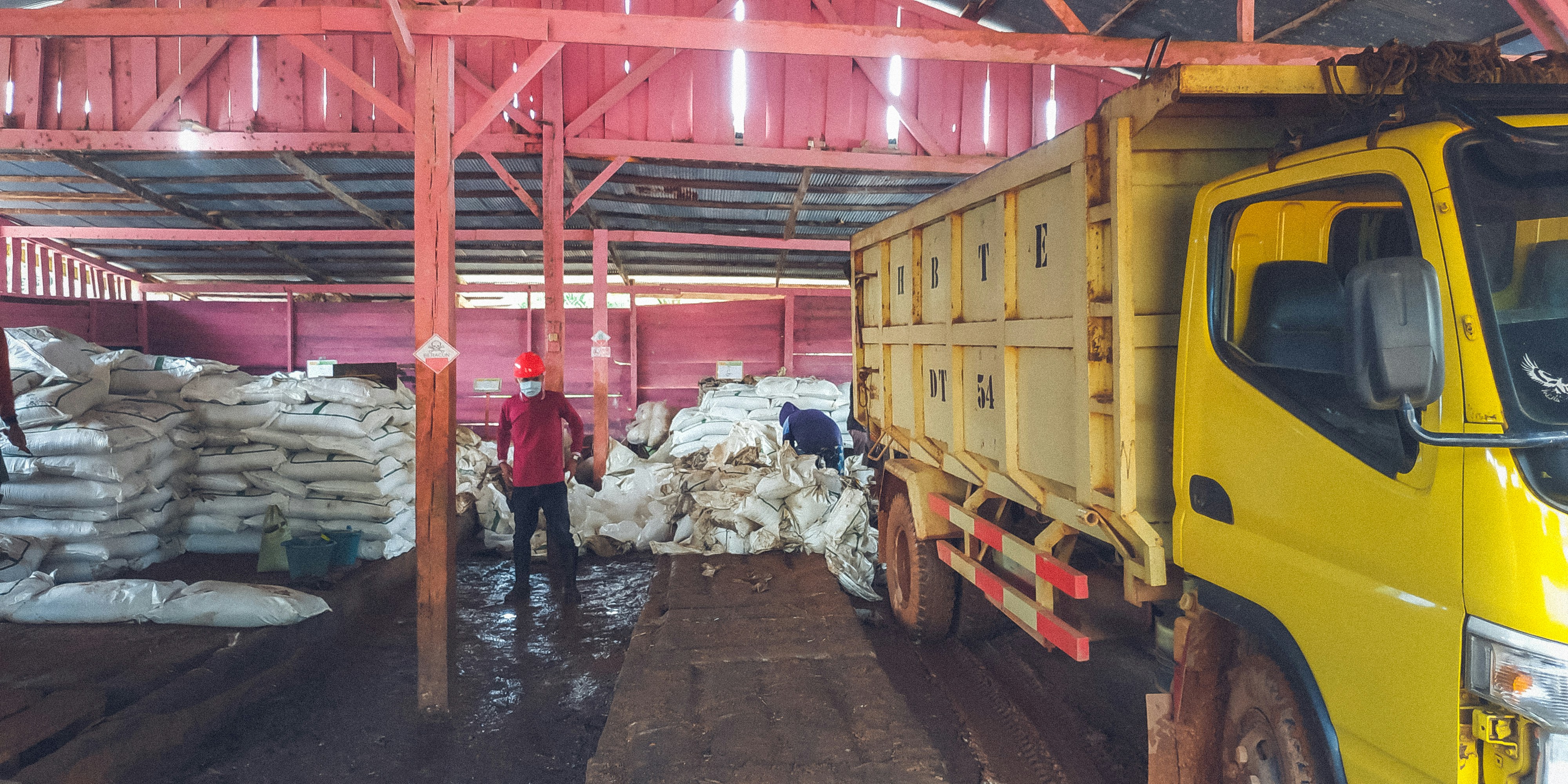
Introduction to Global Supply Chains and Their Vulnerability
Global supply chains are intricate networks that facilitate the production and distribution of goods and services across borders. These systems enable companies from various sectors—ranging from agriculture to pharmaceuticals—to source materials, manufacture products, and deliver them to consumers worldwide. The seamless operation of these supply chains relies heavily on the interconnectedness of suppliers, manufacturers, logistics providers, and retailers, all of which create a linear or sometimes complex web of dependencies.
The functioning of global supply chains is a testament to advancing globalization, which has enabled firms to optimize production through cost-effective sourcing and just-in-time inventory management. However, this reliance on international partnerships has heightened their vulnerability to disturbances, particularly those caused by geopolitical events such as wars. Conflict can lead to sudden disruptions in the flow of goods, resulting in material shortages and operational bottlenecks. For instance, a country embroiled in war may face logistical challenges in exporting essential resources like fertilizers or pharmaceuticals, which are critical for sustaining economic stability and public health.
Moreover, the vulnerability of global supply chains is exacerbated by their complexity. They often span multiple countries and regions, each with its regulatory environment and economic context. This makes them susceptible to various risks, including trade restrictions, transportation interruptions, and supply shortages. As countries navigate these uncertainties, the implications of such vulnerabilities extend beyond the immediate effects on businesses, impacting consumers’ access to essential goods and overall economic health. The interdependence of nations highlights the necessity for robust strategies and cooperative efforts to bolster the resilience of global supply chains amidst the growing threat of conflict and instability.
Understanding the Impact of War on Fertilizer Supply Chains
The disruption of fertilizer supply chains during times of war poses significant challenges to global agriculture, affecting everything from production levels to food prices. Fertilizers, essential for increasing crop yields and ensuring food security, are predominantly manufactured and sourced from specific regions, notably those often embroiled in conflict. Key fertilizers such as urea, potash, and ammonium nitrate are crucial inputs for farmers worldwide, yet their availability can be severely hindered by warfare.
Regions that are major producers of fertilizers often bear the brunt of conflict. For instance, countries like Russia and Ukraine are pivotal in the global fertilizer market, supplying a substantial percentage of the world’s urea and potash. When conflict arises in these areas, it results in production shutdowns, logistical challenges, and transport disruptions. This has a cascading effect, where not only are these fertilizers scarce, but their prices can surge due to increased demand and reduced supply. Consequently, farmers worldwide experience higher costs, which may be passed on to consumers through escalating food prices.
The short and long-term consequences of these disruptions are profound. In the short term, food production decreases lead to heightened food insecurity in various regions, particularly those already reliant on imports. In the long term, continued supply chain interruptions can fundamentally reshape agricultural practices, as farmers may be compelled to switch to alternative sources or less effective methods, further affecting crop yields and sustainability.
The political and economic implications of disrupted fertilizer supply chains can thus ripple through global economies, necessitating strategic responses from stakeholders to mitigate risks associated with current and future conflicts. Addressing these challenges demands a concerted effort from governments, agricultural organizations, and international bodies to ensure that the critical supplies remain available and accessible to those in need.
Pharmaceutical Supply Chains: A Critical Examination
The pharmaceutical industry is intricately woven into a global network of supply chains, critical for the availability of essential medicines. This complex system relies on the seamless transportation of raw materials, active pharmaceutical ingredients (APIs), and finished products across borders. The onset of war can severely disrupt these supply chains, leading to significant consequences for healthcare systems and public health.
For instance, conflicts in war-torn regions often lead to the destruction of manufacturing facilities and transportation infrastructure. This destruction hampers the production of vital medications and prevents their timely distribution. The conflict in Ukraine has exemplified these disruptions, where pharmaceutical imports and exports faced significant delays. Many countries that relied on Ukrainian APIs encountered shortages, impacting the production of various medicines, including life-saving drugs.
Furthermore, wars can lead to economic sanctions, exacerbating the challenges faced by pharmaceutical companies. Sanctions may restrict access to essential raw materials or block delivery routes, creating a ripple effect that hampers manufacturing processes elsewhere. Countries such as Venezuela have experienced substantial shortages of critical medications due to sanctions and the implications of internal strife, emphasizing how geopolitical instability can hinder public health initiatives.
The implications of these disruptions extend beyond immediate shortages. They can lead to increased prices for medications, as manufacturers struggle to meet demand amid declining supplies. Additionally, healthcare providers may face ethical dilemmas as they navigate limited options available to treat patients reliant on specific therapies. As global supply chains continue to intertwine, the consequences of war on the pharmaceutical industry manifest as critical threats to public health.
Case Studies: Historical Examples of Supply Chain Disruption
Throughout history, wars have profoundly impacted global supply chains, affecting various sectors, including fertilizers and pharmaceuticals. One notable example of supply chain disruption occurred during World War I. The war resulted in extensive damage to transportation infrastructure, which severely hampered the movement of goods. Fertilizer production in key agricultural nations faced substantial setbacks due to the conflict, leading to a marked decrease in crop yields. The reliance on specific regions for saltpeter, a critical ingredient in fertilizers, became evident as supply lines were cut, requiring countries to seek alternative sources, often at a higher cost.
World War II also showcased the fragility of supply chains. The pharmaceutical industry, particularly in Europe, was heavily impacted as factories were repurposed for wartime production. The scarcity of active pharmaceutical ingredients, due to shipping disruptions and plant closures, compromised medication supply for civilian populations and military personnel alike. Countries had to prioritize essential medicines and ration critical supplies, highlighting the importance of resilience in the production and distribution processes.
In more recent times, the Gulf War led to significant disruptions in various sectors, including fertilizers. Iraq’s invasion of Kuwait caused a spike in oil prices, which in turn affected the cost of natural gas used in ammonia production for fertilizers. The resultant volatility in the marketplace created uncertainty, forcing nations dependent on these supplies to reevaluate their procurement strategies. Additionally, the conflicts in the Middle East have underscored the vulnerability of the global pharmaceutical supply chain as well, with ongoing tensions leading to fluctuating supply lines and increased prices for vital medication.
These case studies illustrate the critical lessons learned from past conflicts regarding supply chain management. Understanding historical disruptions enables nations and companies to develop more robust strategies that mitigate the risks associated with geopolitical instability.
Economic Consequences of War-Induced Supply Chain Interruptions
War has far-reaching implications, particularly in the context of global supply chains, leading to significant economic consequences that reverberate across nations. When conflicts erupt, supply chain interruptions become acute, affecting the availability of essential goods and services. This disruption often results in price inflation, as the reduced supply of products, such as fertilizers and pharmaceuticals, leads to increased costs for consumers and businesses alike. The resulting inflationary pressures can squeeze households, reducing purchasing power and heightening economic instability.
In addition to inflation, the dynamics of the market undergo substantial shifts. Companies reliant on imported goods may find themselves pivoting toward local suppliers or alternative markets, which can take time to establish. This transition does not come without its own costs, including potential reductions in the quality of goods or the speed of delivery. Moreover, such shifts can lead to increased competition among domestic manufacturers, often resulting in rapid price adjustments and market volatility.
The broader impact on economies is profound, as interdependencies among nations become evident during times of war. Countries that rely heavily on imports for critical goods may face severe shortages, exacerbating economic downturns. Furthermore, the uncertainty introduced by war can deter foreign investment, leading to a long-term decline in economic growth. Trade agreements may be disrupted, and crucial cooperative initiatives may stall, further straining economic relationships. As global supply chains become more fractured, the interconnected nature of trade becomes an issue that extends well beyond national borders.
Ultimately, understanding the economic consequences of war-induced supply chain interruptions is vital for policymakers and businesses alike. By recognizing the intricate web of dependencies within global trade, more informed strategies can be developed to mitigate the effects of conflict on economies worldwide.
Adaptation and Resilience in Supply Chain Management
In the face of conflict-driven supply chain disruptions, businesses are increasingly focusing on adaptation and resilience to mitigate risks associated with such uncertainties. One significant strategy is the diversification of suppliers. By engaging multiple suppliers across different geographical locations, companies can reduce their dependency on a single source. This approach not only protects against localized disruptions caused by war but also ensures a more stable supply of goods and services. Organizations are prompted to evaluate and establish relationships with suppliers in regions that are less vulnerable to conflict, thereby enhancing their supply chain robustness.
Another effective strategy is the emphasis on local sourcing. By prioritizing local suppliers, companies can decrease their reliance on international shipments, which may be severely impacted during times of conflict. Local sourcing also shortens supply chains, leading to reduced transportation costs and improved turnaround times. In addition, sourcing goods locally fosters community relations and reinforces economic resilience within the surrounding area, thereby creating a win-win scenario for both businesses and local economies.
Furthermore, the integration of technology plays a crucial role in enhancing supply chain resilience. Companies are increasingly utilizing advanced technologies such as artificial intelligence (AI) and data analytics to gain real-time insights into supply chain dynamics. By employing these technologies, businesses can better anticipate potential disruptions, enabling them to make informed decisions swiftly. Technologies such as blockchain can also enhance transparency and traceability in supply chains, allowing organizations to monitor the movement of goods and react promptly to any emerging risks.
In a world where conflict can abruptly interrupt trade and logistics, the ability to adapt and build resilience is imperative for businesses. The combination of supplier diversification, local sourcing, and technological investments represents a proactive approach to managing the multifaceted risks associated with disrupted supply chains.
The Role of Governments and International Organizations
Governments and international organizations play a critical role in managing the challenges posed by conflict-related disruptions to global supply chains. These entities respond through a combination of sanctions, trade policies, and humanitarian aid aimed at mitigating adverse effects on affected populations and industries. The implementation of sanctions, for instance, aims to pressure specific governments or groups by restricting access to essential supplies, which can disrupt not only agriculture and economic activities but also the international flow of goods, including fertilizers and pharmaceutical products.
Trade policies are often adjusted in response to conflicts, as countries seek to protect their own economies and trade relations. Such policies may include the diversion of trade routes, modification of import/export regulations, or reevaluation of trade agreements. Nevertheless, these measures can lead to retaliatory actions and exacerbate existing tensions in global trade, ultimately resulting in a fragmented market landscape.
Humanitarian aid is another avenue through which governments and international organizations can alleviate supply chain issues during conflicts. Initiatives led by the United Nations and other humanitarian groups aim to provide essential goods and services directly to regions impacted by war. This aid helps stabilize local economies but raises questions regarding dependency and the long-term sustainability of such interventions.
The effectiveness of government and international responses varies considerably, influenced by the severity of the conflict, the geopolitical climate, and logistical considerations. In some cases, prompt action can mitigate disruptions; in others, the complexities of international politics may undermine efforts to restore normalcy. The implications of these responses extend beyond immediate relief, potentially reshaping trade relationships and economic policies, with long-lasting effects on global supply chains.
Future Outlook: Lessons for Global Supply Chains
The ongoing conflict has highlighted vulnerabilities across various sectors of global supply chains, from agriculture to pharmaceuticals. As the world contemplates a post-war environment, it becomes imperative to analyze the lessons learned from the disruptions experienced in recent times. By reflecting on these experiences, stakeholders can better equip their supply chains to be more resilient against future shocks.
One key lesson emerging from the current landscape is the necessity of diversifying supply sources. During the war, reliance on specific countries or regions for critical supplies, such as fertilizers for agriculture or raw materials for pharmaceuticals, resulted in significant shortages and price fluctuations. Therefore, the future of global supply chains will require companies to adopt a multi-sourcing strategy, enabling them to mitigate risks associated with geopolitical instability or natural disasters.
Moreover, implementing sustainable practices is crucial for fostering resilience in supply chains. This includes a shift toward local production, which not only reduces dependency on international shipping but also supports local economies. As consumers increasingly demand sustainable products, companies must innovate to ensure that their supply chains are both environmentally friendly and economically viable.
Technology will play a vital role in enhancing supply chain management. Smart solutions such as artificial intelligence, blockchain, and real-time tracking systems are expected to revolutionize the way businesses operate. These technologies offer greater transparency and efficiency, allowing for quicker responses to disruptions and improved coordination among stakeholders.
Finally, collaboration between private and public sectors will be essential in developing robust supply chains. Policymakers and businesses must work together to establish frameworks that support resilience, incentivize sustainable practices, and promote innovation. Through these methods, the future outlook for global supply chains can be transformed, ultimately leading to a system that is better prepared to face uncertainties.
Conclusion: The Importance of Global Supply Chain Stability
The ongoing disruptions to global supply chains underscore a critical theme: the interdependence of economies in our increasingly globalized world. As conflicts arise, they expose the fragility of vital supply networks, revealing how closely tied industries are to international stability. This interconnectedness is particularly evident in essential sectors such as agriculture and pharmaceuticals, where disruptions in one region can have ripple effects globally.
Supply chains serve as the backbone of modern commerce, yet they are continually challenged by geopolitical tensions and unforeseen events, such as pandemics or natural disasters. The recent interruptions have highlighted the imperative for corporations, governments, and institutions to adopt a proactive approach towards supply chain resilience. By investing in diversified sourcing strategies, establishing robust logistics networks, and fostering international partnerships, stakeholders can enhance their capabilities to withstand shocks to their supply systems.
Moreover, the importance of transparency cannot be overstated. Enhancing visibility along the supply chain is essential for early identification of potential disruptions, enabling timely responses to mitigate impacts. Companies should also consider incorporating technology-driven solutions such as artificial intelligence and data analytics to improve forecasting and risk management. These measures not only minimize disruptions but also ensure efficiency, safeguarding against future uncertainties.
Furthermore, international cooperation plays a significant role in stabilizing global supply chains. Collaborative efforts can pave the way for setting industry standards and fostering mutual understanding among nations. By prioritizing dialogue and joint initiatives, countries can create a more secure trading environment, reducing the likelihood of supply chain disruptions resulting from political disputes.
In light of these considerations, ongoing vigilance, strategic planning, and a commitment to collaboration will be essential for sustaining global supply chain stability. As we navigate through these turbulent times, embracing these principles can help mitigate the risks inherent in a complex and interconnected global marketplace.